

How to choose the right ceiling for each room
Ceilings do more than close off a room, they define how a space feels, functions, and flows. The right ceiling choice can make a room feel open or intimate, modern or classic, calm or dramatic. Yet ceilings are often treated as a one-size-fits-all feature, even though every room has different needs.
Choosing the right ceiling isn’t about following trends blindly. It’s about understanding how ceiling height, finish, texture, and lighting interact with a room’s purpose. A bedroom ceiling shouldn’t feel the same as a kitchen ceiling, and a living room ceiling shouldn’t be designed like a hallway.
Here’s a room-by-room guide to choosing ceilings that enhance comfort, style, and overall balance throughout a property.
Living Room Ceilings That Create Openness and Style
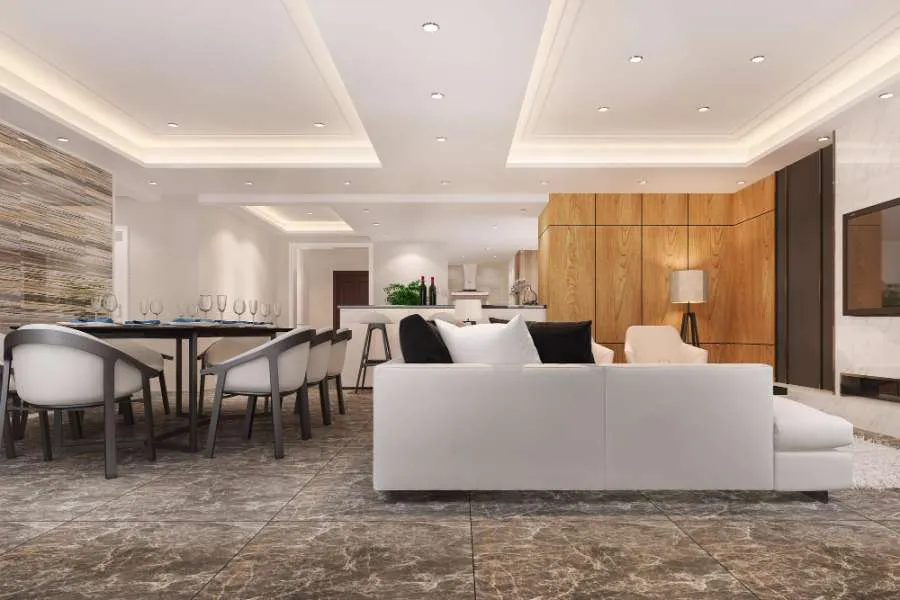
The living room is where ceilings have the greatest visual impact. It’s often the largest shared space, making it the ideal place to introduce architectural interest or subtle design statements. Flat ceilings with clean finishes work well in modern living rooms, creating an uncluttered look that allows décor and furniture to stand out.
If ceiling height allows, tray or coffered designs can add depth without overwhelming the space. These styles draw the eye upward and make the room feel more expansive. The ceiling should enhance light flow and visual balance rather than dominate attention.
Lighting plays a crucial role here. Living room ceilings often support statement fixtures or layered lighting designs, and thoughtful placement matters. Decorative elements, like these brass pendant lights, can be incorporated seamlessly when the ceiling finish is clean and well-proportioned, reinforcing both style and cohesion.
The ideal living room ceiling feels intentional, open, and adaptable to different design updates over time.
Bedroom Ceilings That Promote Comfort and Calm
Bedrooms benefit from ceilings that encourage rest and relaxation. Simple, smooth ceilings are often the best choice, as they minimise visual stimulation and create a calm environment. Soft finishes and neutral tones help reflect light gently without harsh glare.
Lower ceilings can feel cosier when paired with proper lighting, while higher ceilings benefit from subtle design elements that prevent the room from feeling cavernous. Acoustic considerations also matter, as quieter spaces support better sleep.
The right bedroom ceiling doesn’t demand attention, it quietly supports comfort, balance, and tranquillity.
Kitchen Ceilings That Balance Function and Cleanliness
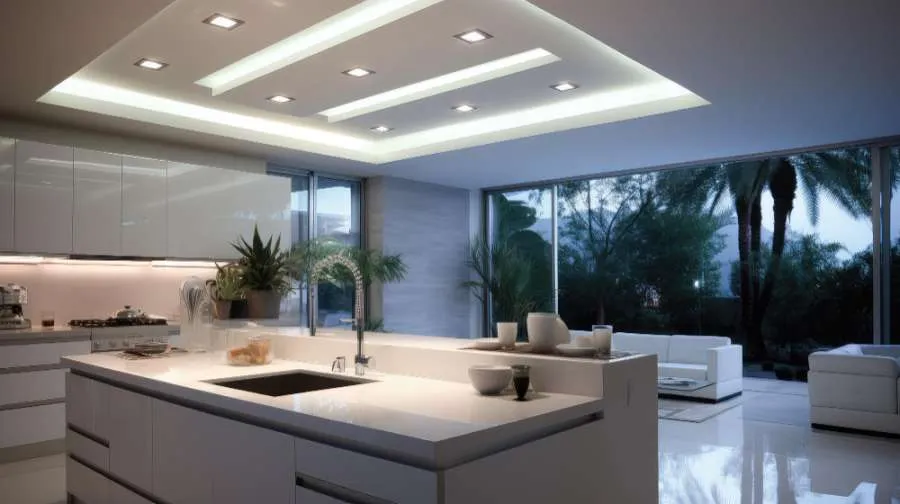
Kitchens require ceilings that are both practical and visually clean. Because kitchens deal with heat, moisture, and movement, ceiling finishes should be easy to maintain and resistant to stains or discolouration.
Flat or lightly textured ceilings are common choices, as they pair well with task lighting and ventilation systems. Ceiling height can influence whether recessed lighting or layered fixtures work best. A well-designed kitchen ceiling supports efficiency while maintaining a bright, open feel that complements cabinetry and countertops.
Bathroom Ceilings Designed for Moisture Control
Bathrooms present unique challenges due to humidity and temperature changes. Ceiling materials and finishes must be moisture-resistant to prevent peeling, staining, or mould buildup.
Smooth ceilings with appropriate ventilation placement help maintain air circulation and longevity. Lighter colours enhance brightness and make smaller bathrooms feel more spacious. Choosing the right ceiling here is as much about durability as it is about appearance.
Dining Room Ceilings That Enhance Atmosphere
Dining rooms benefit from ceilings that help set mood and intimacy. Tray ceilings or subtle height variations can define the space and make gatherings feel more intentional.
Lighting placement is key, as dining areas often feature central fixtures. The ceiling should frame these elements without overpowering the room. A thoughtfully designed dining room ceiling enhances the experience without distracting from conversation or décor.
Hallways and Entryway Ceilings That Guide Flow
Hallways and entryways serve as transitions, and their ceilings should support movement and orientation. Simple finishes work best, as they prevent narrow spaces from feeling crowded.
Consistent ceiling heights and finishes help maintain visual flow from one room to the next. Proper lighting placement ensures these areas feel welcoming rather than overlooked.
The right ceiling choice here improves continuity throughout the property.
Commercial and Multi-Use Space Ceilings for Flexibility
In commercial or multi-use spaces, ceilings must balance aesthetics, acoustics, and functionality. Open ceilings may suit modern offices, while acoustic panels work better in collaborative or high-traffic environments.
Flexibility is key, ceilings should accommodate lighting changes, layout adjustments, and evolving needs without requiring major renovations. Well-chosen ceilings enhance usability while reinforcing the space’s overall design intent.
Home Office Ceilings That Support Focus and Productivity
Home offices require ceilings that balance comfort with concentration. A ceiling that’s too visually busy can become distracting, while one that feels flat or poorly lit can make the space feel uninspiring. Clean, smooth ceilings are often the best choice, as they create a neutral backdrop that supports focus and mental clarity.
Ceiling height also plays a role in productivity. Slightly higher ceilings can help the space feel less confined during long work hours, while proper lighting placement prevents eye strain and shadows on work surfaces. Acoustic considerations are equally important, ceilings that help absorb sound reduce echoes and outside noise, making virtual meetings and focused tasks more comfortable.
Share: