
Is Wild Camping legal in the Canary Islands?
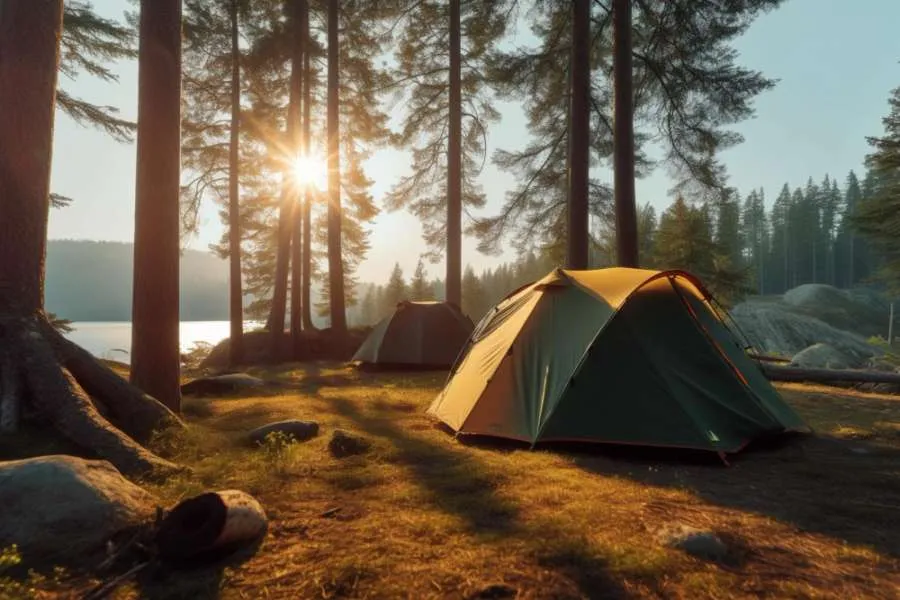
The Canary Islands is Spain’s best and most attractive year-round destination for outdoor travel. It is no surprise that visitors come from both the UK and mainland Spain, thanks to its mild winters, volcanic landscapes, and dramatic coastlines.
In this article, we'll look at what Spanish law says about wild camping, how rules differ across the Canary Islands, where you may legally camp, and what tourists should know before setting up a tent or parking a campervan.
The Legal Position in Spain and the Canary Islands
Is wild camping legal in the Canary Islands? The short answer is no. Wild camping is generally not permitted across the archipelago. However, there are legal alternatives that allow visitors to enjoy nature responsibly.
Free camping, also known as 'acampada libre', is usually illegal by Spanish law unless specifically permitted. The Canary Islands adhere to this national framework, with legislation maintained at the island level by each cabildo.
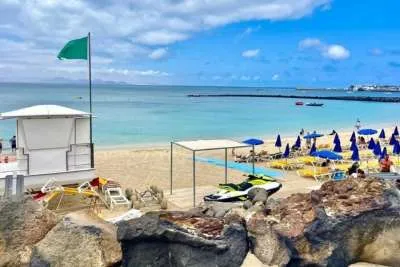
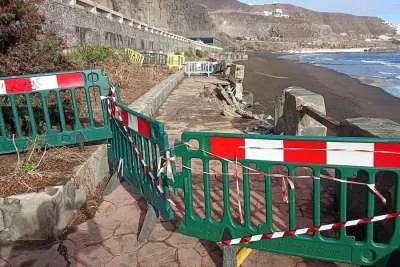
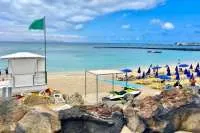
This means the rules can be slightly different between Tenerife, Gran Canaria, Lanzarote, Fuerteventura, La Palma, and the smaller islands. In most cases, pitching a tent outside authorised areas is illegal. Camping on beaches, in protected natural parks, or on rural land without permission can result in fines.
Designated Camping Areas
The good news is that several islands provide official camping zones. These are usually located in forested or rural areas and require a free or low-cost permit.
For example:
● Tenerife offers authorised camping areas managed by the Cabildo de Tenerife
● Gran Canaria has regulated forest camping zones with advance booking
● La Palma and El Hierro also operate permit-based systems
The length of stay may be restricted by permits, which are normally applied for online. Strict environmental regulations must be followed by campers, especially in the summer when there is a greater chance of wildfire.
Campervans and Motorhomes
Van travel is becoming popular across Spain and the Canary Islands, most notably among long-term visitors from the UK.
Now, it is important to understand the difference between parking and camping. Sleeping inside a legally parked vehicle is allowed. However, putting chairs, tables, or awnings outside the vehicle can be classified as camping and may result in penalties.
For travellers flying between the UK and Spain, using space-saving equipment can make a difference. Lightweight solutions such as folding camping chairs for airline luggage limits help reduce bulk and avoid setting up extensive outdoor layouts that could breach local rules.
Many visitors also choose reclining and portable seating from Ozzi Gear when touring multiple islands, particularly when balancing airline baggage restrictions with practical comfort.
Environmental Considerations
The Canary Islands is a place with protected volcanic landscapes, fragile ecosystems, and areas with important natural value. National parks such as Teide in Tenerife and Timanfaya in Lanzarote are strictly regulated.
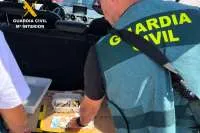
The authorities enforce strict environmental protection, and illegal camping can result in fines ranging from small administrative penalties to several hundred euros, depending on the location and scope. Visitors are also advised to obey leave-no-trace guidelines and respect local communities.
The Bottom Line
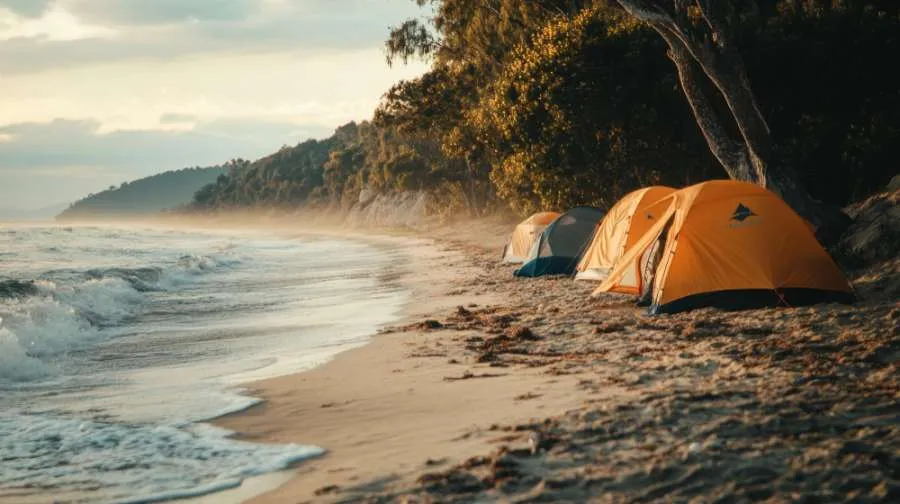
Wild camping is not exactly legal in the Canary Islands. Camping outside authorised areas, including beaches, protected natural parks and rural land without permission, can result in fines under island regulations.
Each cabildo manages designated camping zones where permits are required and stays are limited. These authorised areas are the only lawful way to camp overnight with a tent. Regulated camping through these official zones provides a practical and accessible alternative.
Respecting Spanish law and local regulations helps protect the Canary Islands’ fragile ecosystems, from volcanic landscapes to protected pine forests. By following the rules, both residents and visitors contribute to preserving the natural environment for future generations.
Share: