
CIT Sur reveal new tourism strategy focused on quality and community harmony
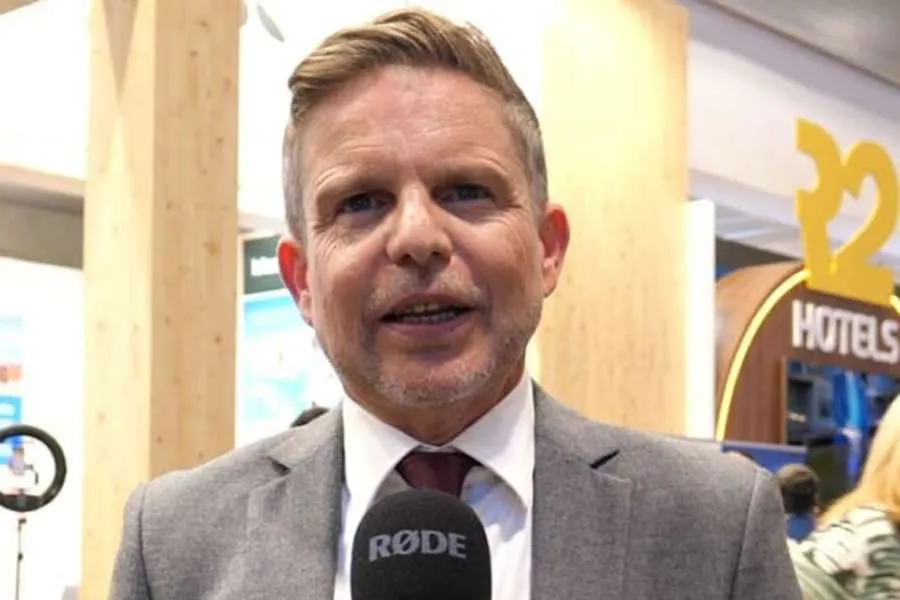
CIT Sur have unveiled a new tourism strategy designed to shift the focus away from record visitor numbers and towards a more balanced, sustainable model that benefits both residents and holidaymakers.
David Pérez, Vice President of the Centre for Tourism Initiatives of South Tenerife, outlined the updated Strategic and Repositioning Plan, describing it as a “major and meaningful change” for the nine southern municipalities of the island represented by the organisation.
Moving from record growth to ‘normalisation’
Pérez explained that the region is preparing for a return to more typical visitor levels after several exceptionally strong years. He said the domestic market (visitors from mainland Spain) may see a “slight decline” next summer, which he views as a natural adjustment rather than a cause for concern.
“We cannot grow endlessly. This is a normalisation after a very successful period,” he said. The new approach prioritises quality over quantity, aiming to improve the experience for today’s visitors while addressing pressures on local communities.
Far from celebrating rising tourist figures, Pérez said the goal is to ensure tourism fits comfortably within the islands’ infrastructure and social environment. He emphasised the need for responsible, sustainable tourism that supports both the economy and residents’ quality of life.
A focus on coexistence
The plan places strong importance on improving harmony between residents and visitors. Pérez called for collaboration to ease tensions and find common ground: “We all want to live and work comfortably in a destination that also needs tourism,” he said.
The strategy encourages long-term cooperation so that the local population and the tourism industry can thrive together.
Industry reflection after recent national tragedy
The tourism sector has been deeply affected by the recent train accident in the south of Spain, which caused widespread shock across the country. Pérez expressed his condolences and acknowledged how strongly such incidents impact the industry.
He also noted the Canary Islands’ reliance on air travel, calling it their “Achilles’ heel”, despite aviation remaining the safest form of transport.
While the sector continues its day-to-day work, Pérez admitted that many professionals are still feeling the emotional weight of recent events.
Share: