
How Tenerife is expanding its tourism experiences beyond beaches
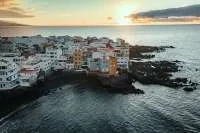
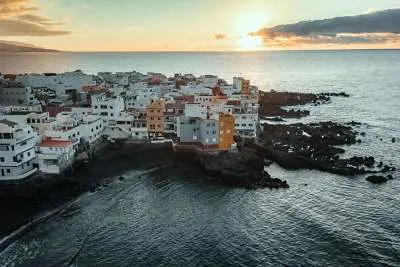
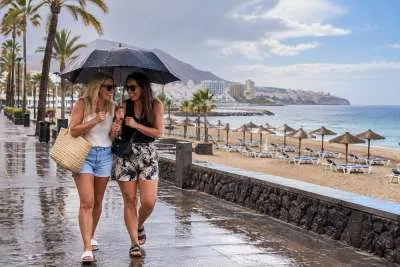
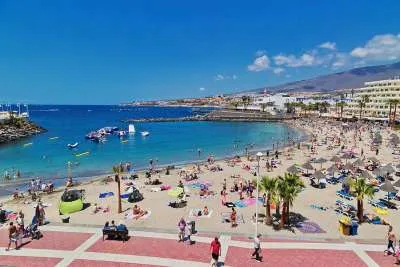
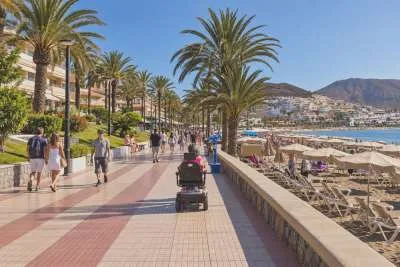
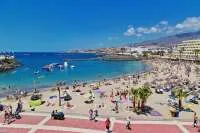
Tenerife still sells sunshine, and it should. The beaches work, the climate is famously forgiving, and the coastal resorts remain the island’s easiest calling card, but the stronger story now sits beyond the sand. Tenerife tourism is widening the trip because visitors want fuller days, stronger local texture, and more reasons to leave the sunbed before sunset.
That shift is easy to spot once you move inland or step outside the resort bubble. A beach morning can turn into an afternoon in a volcanic landscape, a walk through a historic town, or a stop at a vineyard on the way back to the coast.
Tenerife is not abandoning its seaside identity, however, it is broadening it, thus giving travellers more things to do in Tenerife that feel rooted in the island rather than copied from every warm-weather destination on the map… let’s dig a little deeper.
The volcanic interior is no longer a side trip
Teide used to be the big scenic detour, something you squeezed between pool time and dinner. That feels dated now. The island’s tourism offer works better when Teide National Park is treated as part of the main event, not a bonus excursion. The scenery does most of the work, of course, with lava fields, pine forests, dramatic viewpoints, and the sense that the landscape has changed mood completely within a short drive.
Furthermore, the appeal is not only visual, it is practical too. Travellers now want contrast inside a single trip, and Tenerife can deliver that quickly. Go from the coast to the high ground in under an hour, and the day feels reset. The smart move here is to plan around conditions, because temperatures can drop sharply at altitude, and the most popular viewpoints, cable car windows, and sunset slots are easier to enjoy when booked early.
Walking routes are pulling attention inland
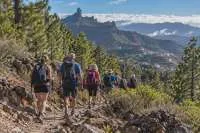
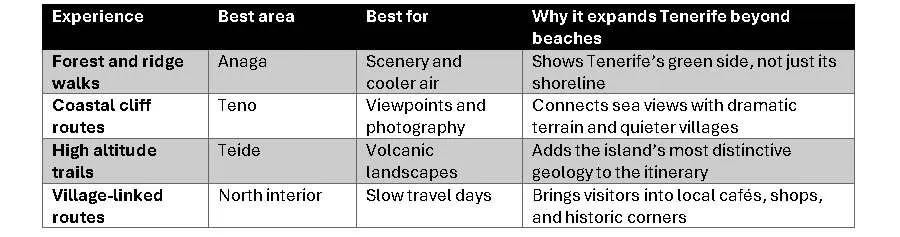
The same pattern shows up on foot. Tenerife hiking trails in Anaga, Teno, and around Teide are no longer niche add-ons for a small group of serious walkers. They are part of the island’s wider appeal, especially for visitors who want a trip that feels active without becoming hardcore. A marked route, a good pair of shoes, and a checked weather forecast can turn a standard holiday into something much more memorable.
There is a local benefit as well. Once visitors start exploring trail networks and rural viewpoints, spending spreads beyond the beach strips: Smaller cafés, village shops, guides, and family-run businesses all get a share of that movement inland.
For travellers, the payoff is simple. Tenerife starts to feel like a layered destination rather than a long line of resorts facing the same sea.
Inland Tenerife walking experiences at a glance
Historic towns add texture that beaches cannot
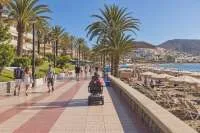
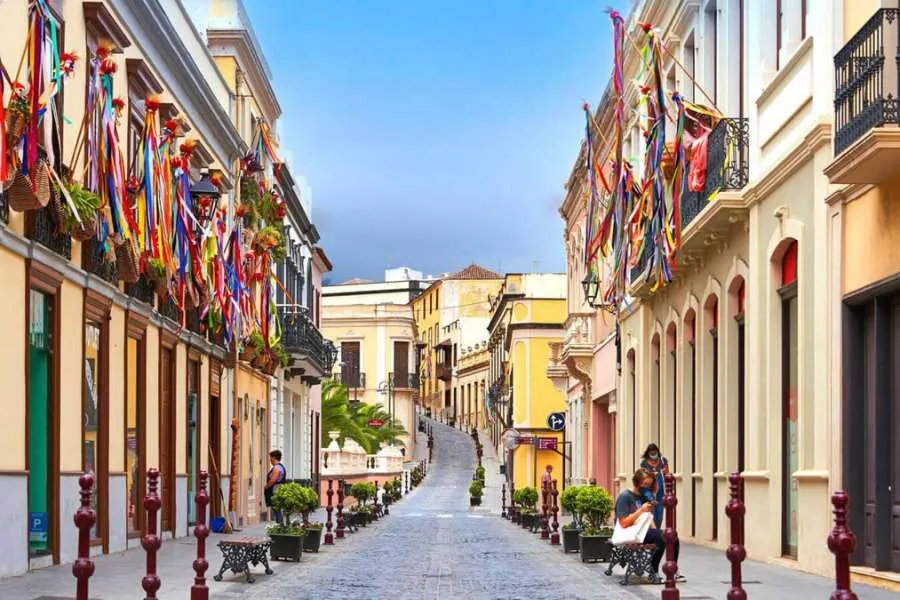
A similar widening is happening on the cultural side. Tenerife cultural attractions have more weight now because they give the holiday shape. San Cristóbal de La Laguna remains the clearest example. Its grid plan centre, pedestrian streets, churches, and old houses offer a version of Tenerife that feels calmer and older than the resort image many first-time visitors arrive with.
Garachico, La Orotava, and smaller historic corners do something similar. They slow the day down in a useful way. Instead of another interchangeable promenade, you get architecture, squares, local shops, and the kind of wandering that does not need much planning.
These towns also make shoulder season trips easier to sell, because cultural time does not depend on perfect beach weather.
Food and wine are becoming part of the pitch
Food helps hold the whole picture together. Tenerife gastronomy is no longer framed only through high-end dining, even if Michelin recognition has helped raise the island’s profile. The more persuasive story is varied. Vineyards, seafood, local cheeses, mojo sauces, and simple grilled dishes all give visitors a more specific memory of place than a generic resort buffet ever could.
That range matters because it works at different budgets. One traveller may want a tasting menu and a wine pairing. Another will be happier in a guachinche with local wine and a noisy room full of regulars. Both options strengthen the trip. For editors and readers alike, that is the useful point. Tenerife’s food scene is not just about prestige; it is about identity and accessibility.
The sea is being repackaged as nature, not just sunbeds
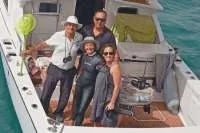
Even Tenerife’s marine offer is shifting in tone. The water is still central, but the framing is broader now. Whale watching, kayaking, diving, and surf lessons sit more naturally inside a varied itinerary than endless hours on a lounger. The difference is subtle, though important. The sea is not only there to be looked at. It is part of a wider nature experience.
That wider framing also benefits practical travel writing. Readers are more likely to remember advice that helps them choose well, such as booking licensed whale watching operators, respecting marine life guidance, and setting limits on entertainment spending. For the small group who enjoy a flutter while away, the same rule applies: keep it measured, use licensed operators, and treat resources like best casino sites UK as a comparison tool rather than a reason to overspend. Responsible choices make room for the better parts of the trip.
Diversification is also about pressure, not just profit
There is a practical reason Tenerife is broadening its tourism story. An island that leans too heavily on the same beach zones and the same narrow spending habits becomes easier to saturate and harder to differentiate. A more varied offer spreads footfall, supports inland businesses, and gives repeat visitors a reason to come back for something other than familiar weather.
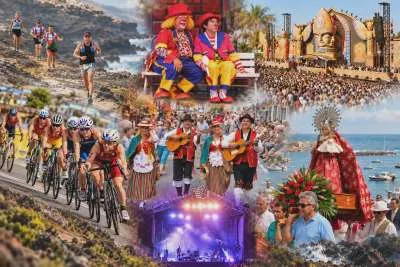
That is why the current direction makes sense. Tenerife is not pretending that beaches no longer matter, and it does not need to. The stronger pitch is balanced. Coast, culture, food, walking, stargazing, and marine life can all fit inside the same holiday without feeling forced. Beaches may still win the first click, but a richer mix of experiences is what earns the second trip.
Final thoughts
The postcard version of Tenerife is still real. It is just incomplete now. The island’s strongest tourism story is no longer about lying still in good weather; it is about range, contrast, and how easily one kind of day can turn into another.
That is good news for visitors, and probably good news for Tenerife too. The destinations that age well are usually the ones that give people more than one reason to return, and Tenerife looks increasingly like one of them.
Share: