
Why people prefer watching over playing in live online entertainment

On paper, participating in something should beat watching it. If you can interact, make choices, and feel like you're part of the action, why stay on the sidelines? Yet in live entertainment streams, game streams with chat-driven formats, and live tables, spectators often outnumber participants.
People join the room, follow the host, react in chat, and still don't step into "player mode". They'll watch Crazy Time for a few minutes the same way they'd watch any fast-paced live show, just to catch the vibe without committing to joining in.
That's not a contradiction. Watching delivers a very specific kind of satisfaction: you get the excitement, the atmosphere, and the social pulse, but you don't take on the responsibility. For many people, that trade is exactly what makes live entertainment feel like downtime, not another task.
Watching is "low-stakes excitement," and that's a feature
The moment you participate, your brain starts tracking your decisions. Even if the outcome is random, it feels tied to you, as you chose when to act, how much to commit, and whether to continue. That's enough to create tension that isn't always fun.
Spectating keeps the good tension and drops the heavy tension. You still get anticipation and surprise, but you're not locked into the internal voice that goes, "Should I have done that?" That's why many people prefer being emotionally close without being personally exposed.
There's also a practical side: most people are already tired of deciding. Work, chores, messages, constant tiny choices all day. Watching is one of the few states where you can feel stimulated without having to "do" anything.
Shared tension works even if you never touch the controls
Live entertainment feels alive because it's synchronised. Something happens, and you feel the room react at the same time, laughing, groaning, typing, whatever that community does. That shared timing adds intensity in a way that recorded content can't fully copy.
And it's a very "safe” social experience. You can be present without being judged. You can be quiet and still feel included. You can participate socially without committing financially, competitively, or emotionally in the same way a player has to.
Before the list below, a simple point: for many people, spectating isn't passive; it's a lighter form of participation. The reasons sound mundane, but they're powerful because they're honest.
- "I like the vibe. I don't need to be the one doing it."
- "I'm here for the host and the chat, not for the buttons."
- "Watching feels relaxing. Playing feels like effort."
- "I don't want to make decisions right now."
Playing adds cognitive load, and live formats amplify it
Live formats often run on fast cycles: something happens, you respond, you decide again. Even when choices are small, they stack up. Participation introduces a constant background task: monitoring your own state.
A spectator tracks the show. A participant tracks the show and themselves:
- Am I still enjoying this, or am I chasing a feeling?
- Should I stop now, or wait for a "better moment"?
- Do I change something, or stick to the plan?
- If I step away, will I regret it?
That's not a character flaw. It's how humans work when outcomes are uncertain, and feedback is frequent. The more frequent the feedback, the more often the brain wants to "adjust." And adjusting is tiring.
This is also why spectating can feel more stable emotionally. A viewer can enjoy the peaks without feeling personally responsible for the drops. They can laugh at a twist, move on, and stay in a good mood. A participant often experiences the same twist as "about me," which makes it heavier.
The host effect: people come for the human layer
A good live host is basically a social engine. They set the tone, keep the pace, and create the feeling that you're not just consuming content, but that you're sharing a moment that's happening right now. That's why some live formats feel closer to hanging out than to a product demo.
If the human layer is strong enough, playing becomes optional. The entertainment is already complete: voice, timing, reactions, small jokes, the chat's personality, and the shared rhythm. At that point, choosing to watch is not "missing out." It's choosing the version of the experience that fits your energy.
When watching turns into playing
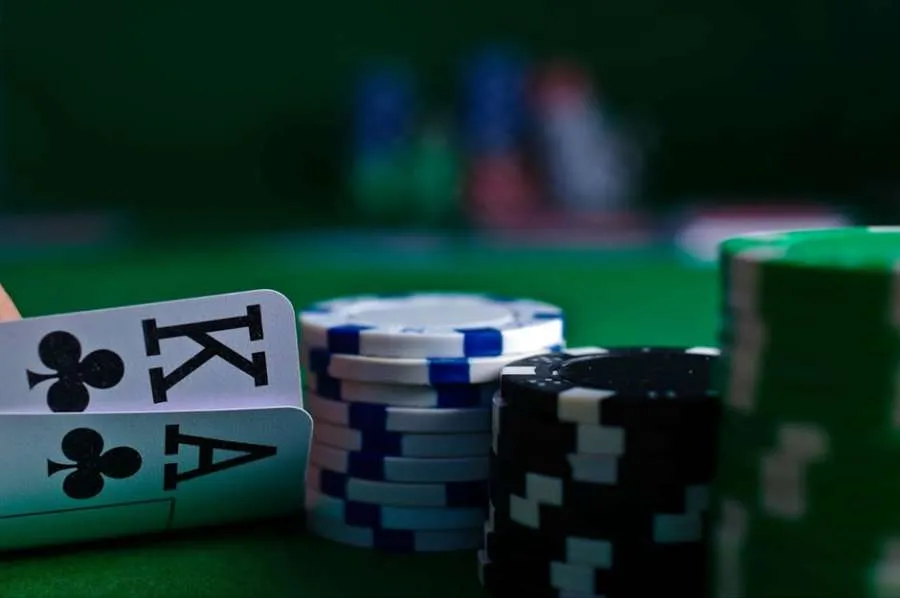
Some viewers do cross the line, usually for two reasons: they want to intensify the emotion, or the barrier to entry drops so low that "why not" wins. Confidence helps, too, once someone feels they understand the format, and participation stops feeling like a test.
Before the final mini-list, it's worth saying out loud: most people don't avoid playing because they're afraid. They stay viewers because they're already satisfied. Playing is an intensity upgrade, not always a fun upgrade.
- Viewers join in when participation feels simple and low-pressure.
- They stay viewers when watching already provides enough emotion and social energy.
Conclusion
People prefer watching over playing in live entertainment because spectating is the cleanest deal: shared tension, human presence, and real-time emotion, without the extra cognitive load and self-judgment that comes with making decisions. It lets people be "in the room" while staying comfortable.
In a world where most days already demand choices, watching can feel like the perfect form of participation: close enough to feel the moment, far enough to stay relaxed.
Share: