

How to choose a reputable Kratom source without compromising safety
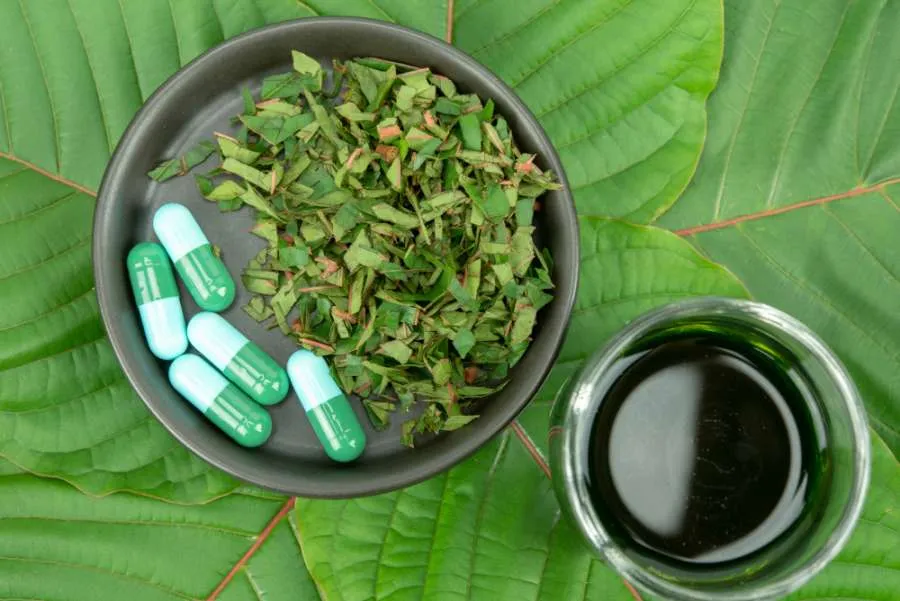
Interest in kratom has grown steadily over the past decade, driven by curiosity, traditional use discussions, and a broader cultural shift toward plant-based products. With that growth has come an explosion of sellers, some careful and responsible, others far less so.
For consumers, this creates a real challenge: how do you identify a reputable kratom source that prioritises safety, transparency, and quality in an industry that is still unevenly regulated?
Choosing wisely matters. Product purity, accurate labelling, ethical sourcing, and basic consumer protections all hinge on where kratom comes from and how it is handled. This guide walks through the practical, evidence-informed factors that can help you evaluate kratom vendors with confidence, without hype, fearmongering, or guesswork.
Understanding the Importance of Source Quality
Kratom is an agricultural product derived from the leaves of Mitragyna speciosa. Like coffee, tea, or herbal supplements, its quality can vary dramatically depending on how it is grown, harvested, processed, and stored. Poor practices at any stage can introduce contaminants, degrade freshness, or result in inconsistent products.
Because kratom is not uniformly regulated across all countries or regions, the responsibility often falls on vendors to adopt voluntary quality standards. Reputable sellers recognise this and proactively implement safeguards that go beyond minimum legal requirements.
Look for Transparency as a Baseline Standard
A trustworthy kratom vendor should never feel anonymous. Legitimate sellers are open about who they are, where they operate, and how they can be contacted. This includes a real business name, physical location (not just a P.O. box), and accessible customer support channels.
Vendors that hide behind vague branding or provide no verifiable contact information make it difficult to resolve issues or hold them accountable.
Detailed Product Information
High-quality sellers describe their products clearly and consistently. This includes origin details, processing methods, batch numbers, and packaging dates where applicable. Transparency signals that the vendor understands their supply chain and is willing to stand behind it.
Third-Party Lab Testing Is Non-Negotiable
One of the most important indicators of a reputable kratom source is third-party laboratory testing. Independent labs can screen for contaminants such as heavy metals, microbial impurities, and adulterants—risks that are widely acknowledged across the broader herbal supplement industry.
Reputable vendors publish these lab results openly or make them easy to request. Certificates of analysis should be current, batch-specific, and conducted by recognised testing facilities.
What to Be Wary Of
If a seller makes claims about testing but provides no documentation, or only offers vague assurances without evidence, that’s a red flag. Responsible companies understand that informed consumers expect proof, not promises.
Ethical and Responsible Sourcing Practices
Reputable kratom vendors typically work directly with experienced growers or cooperatives, often in Southeast Asia, where kratom is traditionally cultivated. This direct sourcing allows better oversight of harvesting methods, leaf maturity, and post-harvest handling.
Ethical sourcing also means avoiding exploitative labour practices and supporting sustainable agriculture—values increasingly emphasised by responsible herbal product companies worldwide.
Consistency Over Novelty
While some sellers market constant “new” strains or exaggerated effects, experienced vendors tend to emphasise consistency, quality control, and education rather than novelty-driven hype.
Compliance With Industry Standards and Laws
A responsible kratom source demonstrates awareness of the legal landscape in the regions where it operates and ships. This includes compliance with import requirements, labelling laws, and consumer safety regulations.
Some vendors also align voluntarily with industry organisations that promote self-regulation and best practices. While membership alone is not a guarantee of quality, it often reflects a commitment to higher standards.
Responsible Marketing
Reputable sellers avoid making medical or therapeutic claims. Instead, they focus on product quality, sourcing, and safety information. This approach aligns with guidance from regulatory bodies that caution against unsupported health claims in the supplement space.
Packaging, Storage, and Freshness Matter
Kratom should be packaged in clean, sealed containers that protect it from moisture, light, and contamination. Quality vendors invest in professional-grade packaging and include clear labelling with batch or lot identifiers.
Freshness is often overlooked but important. Vendors who manage inventory carefully—rather than stockpiling large quantities indefinitely—are better positioned to deliver consistent products. Clear packaging or processing dates are a strong positive signal.
Evaluate Reviews With a Critical Eye
Customer reviews can offer insight, but they should be evaluated thoughtfully. Look for consistent themes across multiple independent platforms rather than isolated glowing testimonials.
Detailed reviews that mention packaging quality, communication, and transparency are often more informative than vague praise.
Be cautious if reviews focus heavily on exaggerated claims or if negative feedback points to recurring issues such as missing lab results, poor customer service, or inconsistent products.
Avoid the “Too Good to Be True” Trap
Pricing can provide clues. While kratom should not be prohibitively expensive, prices far below market norms may indicate shortcuts in sourcing, testing, or handling. Reputable vendors balance fair pricing with the real costs of quality control.
When browsing listings or categories labelled kratom for sale, it’s wise to pause and evaluate the seller’s credibility before focusing on price alone.
Conclusion
Choosing a reputable kratom source is less about chasing trends and more about applying the same standards you would to any consumable plant product. Transparency, independent testing, ethical sourcing, legal compliance, and responsible communication all work together to reduce risk and support informed decision-making.
As the kratom market continues to evolve, consumers who prioritise safety and accountability help shape better industry practices overall. By slowing down, asking the right questions, and favouring vendors who welcome scrutiny, you can navigate the landscape with clarity—and without compromising your standards.
A careful choice today sets the foundation for a safer, more responsible experience tomorrow.
Share: