
Hidden Canary Islands: 12 ‘Locals Only’ viewpoints and walks (that won’t get you fined, rescued, or cancelled)
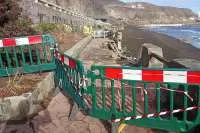
The Canary Islands look like they were invented by an overly romantic geologist: lava frozen mid-sigh, ravines cut like theatre curtains, and ocean horizons so sharp they feel edited. And yet the biggest modern hazard isn’t the terrain, it’s the temptation to “just hop that little fence” for a photo that screams I was here, right before it whispers, I shouldn’t have been here!
The good news: you can get the goosebump views without the rule-breaking drama, and if you’re the kind of traveller who keeps a tidy checklist and downloads Coldbet APK mid-sentence while waiting for a delayed connection, you’ll appreciate walks that are simple, legal, and blissfully unproblematic.
The no-heroics rulebook (locals quietly follow it)
Locals don’t treat nature like an obstacle course. They treat it like a neighbour: respected, predictable if you pay attention, and absolutely capable of ruining your day if you don’t. Stick to marked routes, read the signs even if you’re feeling poetic, and assume wind can turn “pleasant” into “chaotic” in minutes. Also: no cliff-edge posing, no shortcut scrambles, no “it looks close on the map.” The islands are compact; their landscapes are not.
1) Tenerife: Anaga’s “Path of the Senses”
In the north, the Anaga highlands do that rare thing: they feel ancient and intimate at the same time. This short, well-tended walk threads through dripping laurel forest with mossy branches and sudden openings where the island drops away in green folds. Go early for the soft fog and the secret-society hush. If you notice restricted side paths, treat them like velvet ropes—admire, don’t enter.
2) Tenerife: Malpaís coastal lava loop
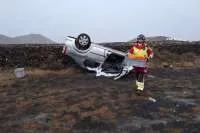
This is Tenerife in a different mood: rough, sunlit, and confidently volcanic. A marked loop crosses a black lava coastline where low craters and spiky stone make everything feel lunar, until you spot hardy plants clinging on like stubborn little miracles. It’s a “big view” walk without big altitude, and the coastline keeps delivering new angles. Wear proper shoes; lava loves chewing flimsy soles.
3) Gran Canaria: La Sorrueda lookout and ravine edges
Gran Canaria is famous for dramatic rock monoliths, but locals often chase something quieter: a ravine viewpoint where palms and terraces tell the story of survival, shade, and clever agriculture. La Sorrueda sits above a deep valley like a balcony over a slow, green river of vegetation. You can pair it with short, signed strolls around nearby hamlets, nothing extreme, just steady beauty and air that smells faintly of sun-warmed stone.
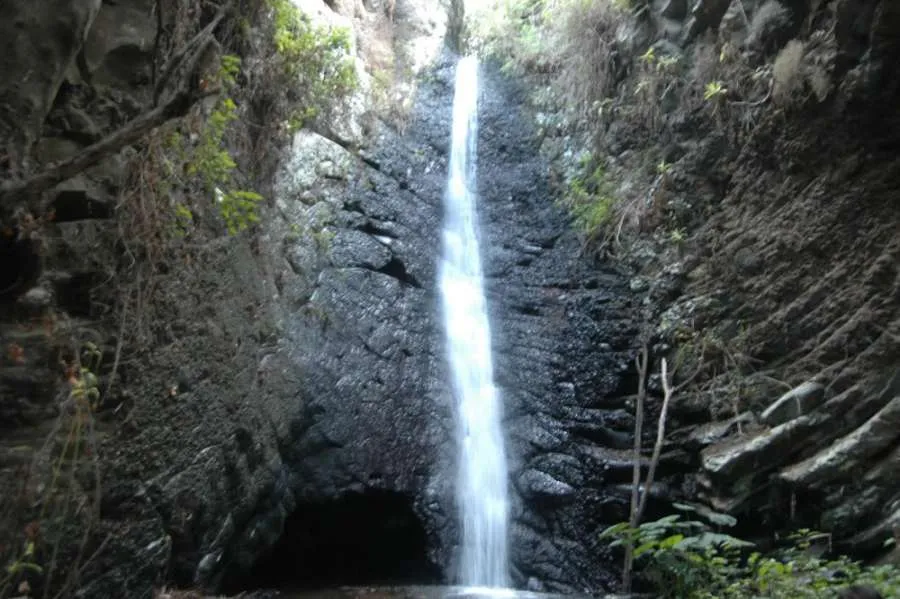
4) Gran Canaria: Barranco de los Cernícalos (the waterfall ravine)
This ravine walk is the island’s refreshing side: reeds, shade, trickling water, and that satisfying sense of walking into a cooler world. The path is generally straightforward, but it can turn muddy after rain—locals know to check conditions and bring traction rather than bravado. The payoff is a sequence of little waterfall moments, the kind that make you slow down automatically. It’s not a race; it’s a rinse for the brain.
5) Lanzarote: Caldera Blanca crater rim
Lanzarote does “minimalism” like a master: pale dust, dark lava, and the sky doing most of the decorating. Caldera Blanca is a classic crater walk, but it still feels oddly undercrowded compared to the island’s headline stops. The climb is steady rather than savage, and the rim gives you that cinematic, panoramic silence—volcanic geometry laid out like a blueprint. Wind is the boss up top, so pack a layer even on warm days.
6) Lanzarote: Risco de Famara (cliffside heights, responsibly)
The Famara cliffs are the island’s drama department: sheer rock, high viewpoints, and ocean views that stretch your sense of scale. The trick is choosing established routes and turning around when the wind starts making decisions for you. Even short sections give you huge rewards—coastline, dunes in the distance, and a feeling of walking above the world. Avoid edging off-trail; the ground can be loose, and the drop is not theoretical.
7) Fuerteventura: Las Peñitas viewpoint and oasis ravine mood
Fuerteventura’s interior can look almost empty - until you find a ravine where water and plants gather like gossip in a quiet town. Las Peñitas viewpoint reveals a surprising green pocket, a soft contrast to the island’s dry, open spaces. This is a perfect “stop-and-stroll”: arrive, take the photos, then walk a short, sensible distance along the obvious paths to feel the landscape shift around you. Heat management matters here—locals time it well.
8) La Graciosa: Montaña Amarilla coastal loop
La Graciosa feels like the antidote to hurry: sandy tracks, bright sea, and wide-open calm. The Montaña Amarilla area gives you coastal walking with playful geology, yellowish rock, little coves, and a horizon that keeps reappearing like a promise. Choose the loop options that match your energy and water supply; sun exposure is real, and shade is mostly a rumour. Still, it’s wonderfully uncomplicated: walk, look, breathe, repeat.
9) La Palma: El Time viewpoint (big valley, bigger perspective)
La Palma is the island for people who want depth—deep forests, deep valleys, deep “wow.” El Time viewpoint opens up a sweeping look over a vast valley and coastline, the kind of view that makes you understand why locals talk about microclimates like they’re gossiping about personalities. Pair the viewpoint with a short, marked walk nearby rather than chasing risky ridge shortcuts. The light changes fast; stay long enough to watch it.
10) La Palma: Barlovento Lagoon to Mirador de La Tosca
This one is gentle and satisfying, the kind of outing residents do without announcing it on the internet. Starting near the lagoon area, the route connects easy paths and viewpoints with a calm, lived-in feel—more “Sunday reset” than “expedition.” You get greenery, open sky, and those quiet Atlantic angles that make even a short walk feel generous. Pack a light snack and take your time; this is not a place to rush.
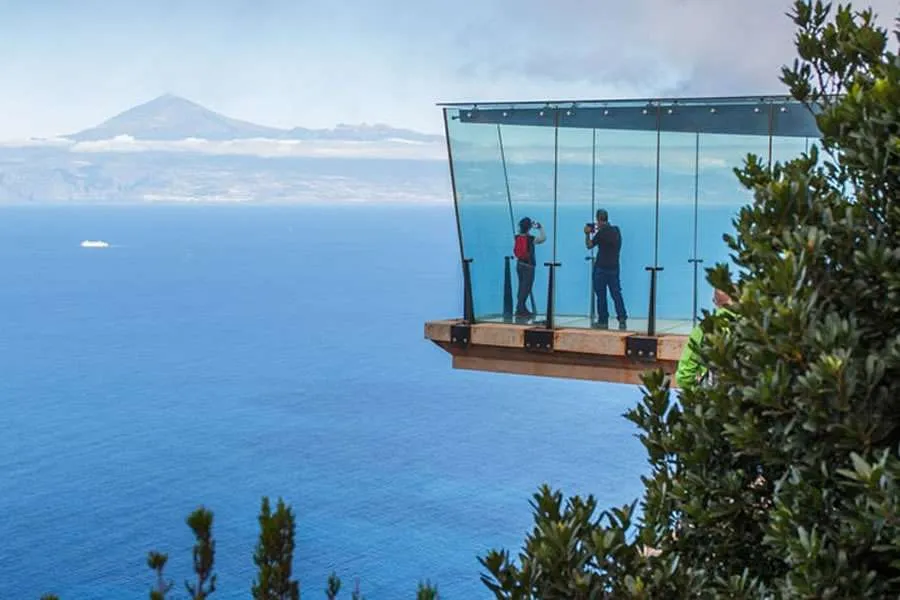
11) La Gomera: Abrante viewpoint (the floating balcony effect)
La Gomera is all folds and cliffs, and Abrante delivers the island’s signature trick: height with elegance. The viewpoint looks out over a steep valley and ocean beyond, and on clear days, you’ll feel like you’re hovering. It’s accessible without turning your day into an ordeal, but do respect the edges and any barriers, this is a “look, don’t lean” spot. If you walk up from the village, expect steep steps and bring patience.
12) El Hierro: Mirador de Jinama (the quiet giant view)
El Hierro is the introvert of the archipelago—in the best way. Mirador de Jinama sits high above the Golfo valley, serving a huge, clean panorama with very little noise around it. The air often feels sharper here, the light more serious. You can keep it simple (drive up, short stroll, long stare) or add a careful section of established path if conditions are good. If cloud rolls in, don’t fight it—locals simply come back another day.
A final, practical truth
“Hidden” in the Canary Islands doesn’t mean secret; it means uncomplicated. These places stay pleasant because people don’t treat them like disposable content. Walk the marked lines, respect the fragile bits, and let the views do what they’ve always done—make you feel small in the nicest possible way.
Share: