

New money-movement rules affect businesses and self-employed in the Canary Islands
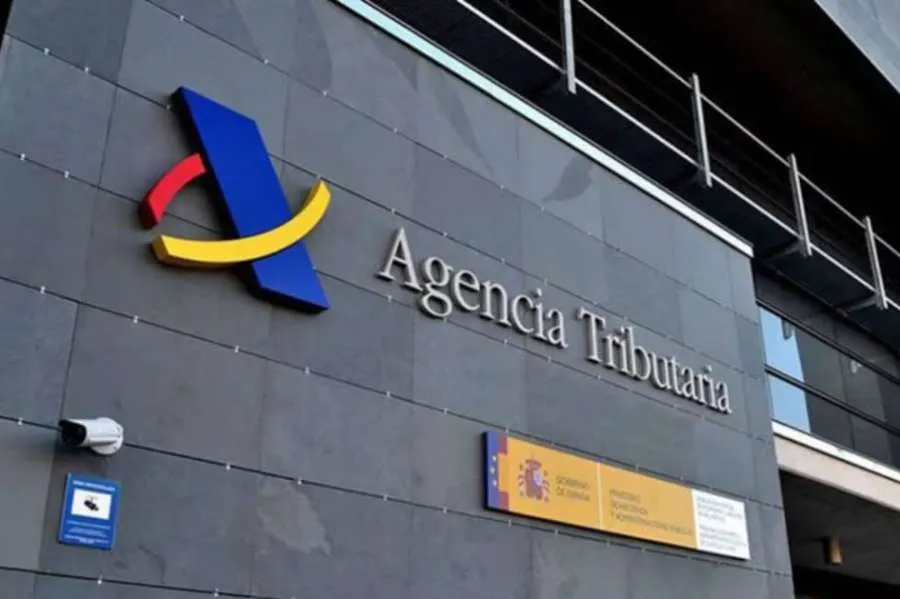
Spain’s financial landscape changed significantly on 1st January 2026, also affecting the Canary Islands, with the Agencia Tributaria (AEAT) improving its monitoring tools to track unusual transactions more effectively.
Despite persistent myths, moving your own money is not illegal, and there is no “magic limit” that triggers a fine. What matters is how you justify the funds, not the amount itself.
End of the €3,000 Reporting Threshold for Businesses and Self-Employed
One of the biggest changes this year affects the self-employed and businesses. Until now, banks typically used a €3,000 threshold to automatically report card payments or digital transactions.
From now onwards, banks will report all card and app payments (including Bizum) received by professionals every month, regardless of the amount.
For private individuals, nothing changes: banks will continue to report transactions over €3,000 or those involving €500 notes, but this is simply standard data reporting — not a penalty.
Bizum’s Expansion
Bizum, Spain’s popular instant-payment system, is undergoing a major upgrade this year, enabling users to send money to much of Europe, strengthening its role in cross-border digital payments.
Modelo S1: The €10,000 and €100,000 Limits
It remains completely legal to transfer any amount of money, but Spain’s anti-money-laundering regulations demand transparency.
Domestic bank transfers:
You do not need to file a Modelo S1 for a normal €10,000 bank transfer within Spain. However, banks may monitor or report transfers above that amount internally for statistical or compliance purposes.
Cash movements:
This is where the rules become strict. Carrying more than €100,000 in cash within Spain, or entering or leaving the country with over €10,000 in cash, requires a mandatory Modelo S1 declaration. Failure to declare can lead to the preventive seizure of the funds.
When Does an Infraction Actually Occur?
There is no fine simply for moving money. Sanctions apply in two clear cases:
1. Unjustified funds:
If the tax office detects an unexplained increase in your assets (for example, a large deposit with no evidence of its origin), it may classify it as undeclared income.
2. Cash payments over €500 involving professionals:
From 2026, the limit for cash payments where a professional or business is involved drops to €500 (previously €1,000). Exceeding this amount is an offence and carries a 25% fine on the value of the transaction.
Closer Scrutiny of Bizum and Recurrent Transfers
The AEAT is not interested in a Bizum payment for a shared meal. What it targets is hidden economic activity.
If a bank account receives recurrent transfers adding up to more than €10,000 a year, particularly without a clear explanation, the tax agency’s algorithm will trigger a review alert.
These changes reflect a major shift in Spain’s approach to digital financial oversight, aiming to ensure that every euro circulating in the system has a legitimate, traceable origin.
Share: