
The perfect village in the Canary Islands for climbing, hiking and caving
In the northwest of Gran Canaria lies a rugged landscape where nature sets the pace and the scenery becomes a playground for outdoor adventure. Pine forests, steep ravines, basalt cliffs and mist-lined trails create one of the most complete environments for those seeking both excitement and tranquillity.
This area, still largely untouched by mass tourism, has become a major reference point for climbing in the Canary Islands, while also offering exceptional opportunities for hiking, caving and discovering one of the wildest corners of the island.
Artenara at the Heart of Tamadaba
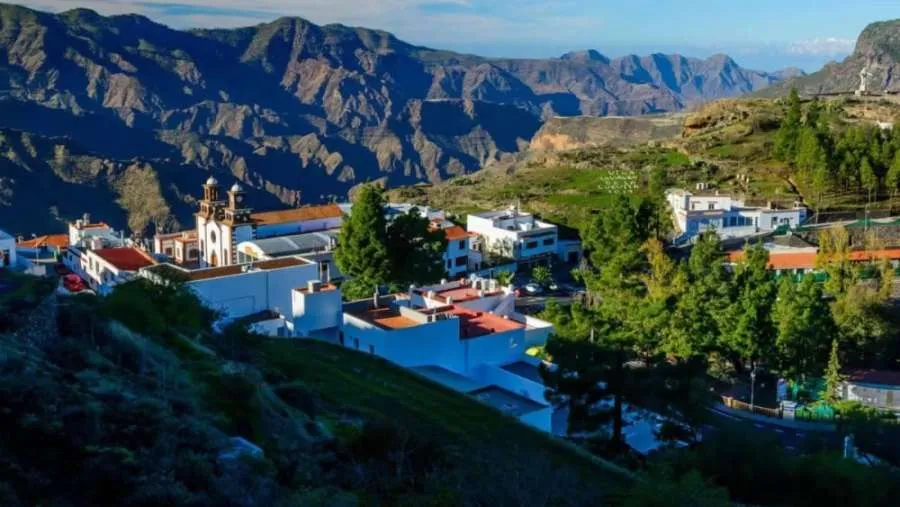
Artenara, the highest-altitude municipality in Gran Canaria, serves as the gateway to Tamadaba Natural Park. This protected area spans nearly 8,000 hectares and contains one of the best-preserved pine forests in the archipelago, forming the largest pine woodland in northern Gran Canaria. Its biodiversity is remarkable, with numerous endemic species of flora and fauna, some classed as threatened or endangered.
A Leading Climbing Sanctuary
Tamadaba is regarded as Gran Canaria’s premier sport-climbing destination. Around 400 climbing routes are spread across 16 sectors of ravines, volcanic walls and forested slopes, offering a wide range of technical challenges.
Slab climbing predominates, set on solid grey basalt walls that demand precision, balance and finger strength. Routes average around 15 metres in height, with some reaching 20 metres, all exceptionally well equipped. Local climbers often say: “If you learn to climb in Tamadaba, you can climb anywhere.”
The Park’s Most Iconic Sector
The most frequented area is El Camino, a north-facing wall often shrouded in a fine mist, giving it a uniquely enchanted Alpine feel. It features around 30 routes ranging from 12 to 20 metres, mostly vertical and technical.
Grades span from V, including classic beginner-friendly routes such as Verdina, to 8b, with demanding lines like Federativos en Estribos. From the top, climbers enjoy sweeping views over the Atlantic, the town of Agaete and a dramatic ravine showcasing Tamadaba’s immense climbing potential.
Hiking and Caving
Beyond the rock walls, Tamadaba is a paradise for walkers. Numerous trails depart from the official campsite, cutting through the pine forest and connecting to ravines, viewpoints and areas of geological interest.
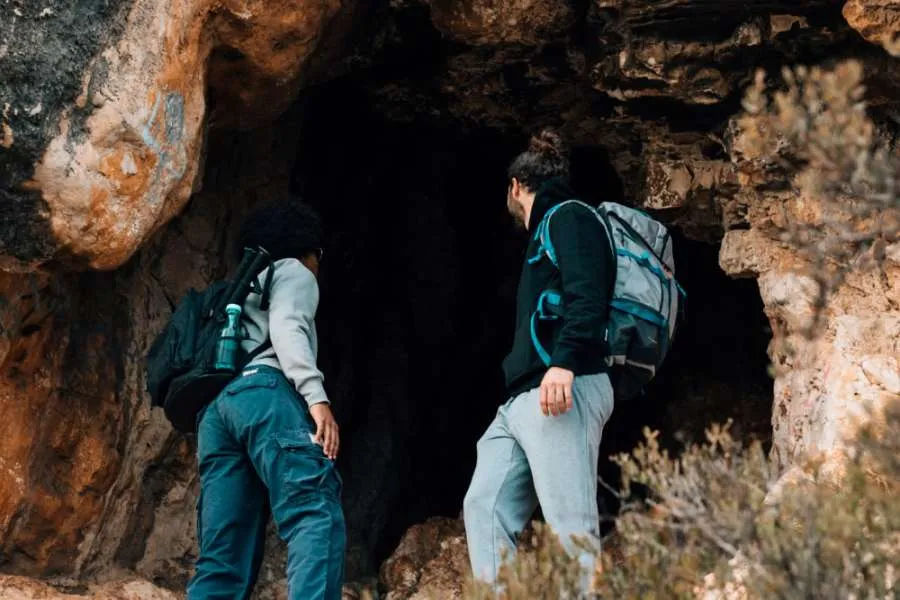
The park’s complex relief, with caves, volcanic tubes and deep barrancos, also makes it appealing for caving, provided that visitors follow environmental regulations and respect the protected zones.
Camping and Overnight Stays
Camping is permitted in Tamadaba with prior authorisation from Gran Canaria’s Environmental Department. The authorised site, located at roughly 1,200 metres altitude and with capacity for around 250 people, offers easy access to the main climbing sectors and hiking routes, making it an ideal base for multi-day stays.
Regulations and Conservation
The park is governed by a strict management plan (PRUG), which regulates all permitted activities. Climbers must obtain prior approval from the park authority before climbing.
Conservation remains a top priority for the climbing community, which recognises that the long-term survival of this exceptional environment depends on responsible and sustainable use.
A Destination for True Adventurers
Together, Artenara and Tamadaba form one of the most remarkable outdoor destinations in the Canary Islands: high-quality climbing, spectacular hiking, caving opportunities and one of the island’s most valuable forest ecosystems.
For visitors seeking more than sun and beaches, this remote corner of northwest Gran Canaria offers adventure, solitude and nature at its purest.
Share: