
Storms, Flights, and Smart Travel: How visitors prepare for unexpected weather in the Canaries
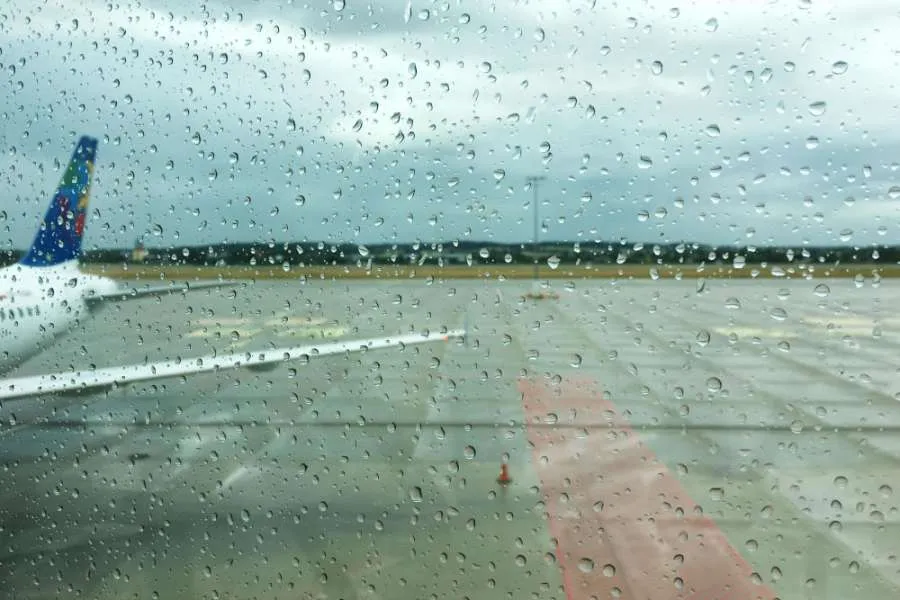
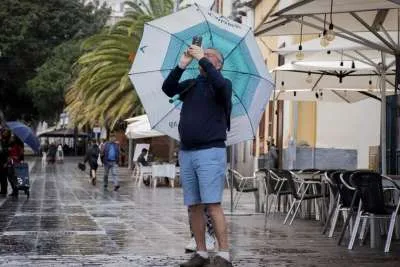
The Canary Islands draw millions of travellers every year thanks to steady sunshine and mild Atlantic breezes. Yet the archipelago sees periods of unstable weather, especially from November to March when Atlantic fronts can shift quickly.
Short bursts of heavy rain, wind, or calima dust sometimes disrupt flight schedules. Visitors plan ahead because a little preparation helps them enjoy the islands even when the sky turns dramatic.
Changing forecasts and how travellers adapt
Local meteorology teams monitor conditions with radar and satellite data that update several times each hour. Forecast accuracy has improved over the past decade, yet storms still form fast near the ocean ridge. That is why many travellers check updates from AEMET and airport notices during their stay.
Many visitors also keep their travel documents in digital planners or cloud folders so everything stays accessible during sudden schedule changes. Some travellers even add links such as 1xBet login next to booking details to keep important pages grouped in one place.
What weather events matter most for flights
Airports across the Canary Islands handle more than 48 million passengers a year, mainly through Tenerife, Gran Canaria, and Lanzarote. Most flights run on time, yet Atlantic lows can reduce visibility or create strong crosswinds. Tenerife North sometimes slows operations when low clouds form, and La Palma can face similar issues during calima dust.
Travellers follow airline alerts to stay ahead of these changes. Flights may shift slightly when wind bands pass, and carriers usually post updates early enough for visitors to adjust plans.
Practical steps visitors use before departure
Travellers look for simple methods that reduce stress when conditions change. Many repeat visitors say planning works best when done in small steps rather than in one large checklist. They treat weather as a factor they can predict only to a point, so they build a margin of safety.
A few habits stand out among seasoned travellers. These actions help them stay comfortable during unexpected delays:
- Monitor short-term forecasts on reliable channels such as AEMET or Windy, checking wind speed and cloud layers.
- Keep digital copies of boarding passes on a phone or an encrypted cloud so they remain available without internet.
- Carry a compact power bank because storm delays often leave terminals crowded.
Local tools that help during storms
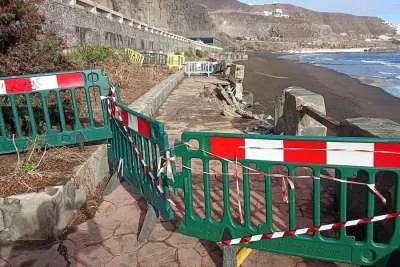
Island councils have expanded their alert systems in recent years. They publish warnings about strong surf, closed hiking routes, and affected roads. These notices appear on official social feeds and local radio every few hours during severe weather. Hoteliers often pass these alerts to guests and suggest safer routes for day trips.
Visitors also benefit from a few practical tools used by residents. These utilities give clear information without complex jargon.
1. Rain radar apps show real-time cloud movement so travellers can decide when to leave for the airport.
2. Airport status boards update gate changes and estimated departures. Screens refresh frequently, especially during heavy wind.
3. Tide and swell charts matter for island hopping by ferry because strong waves can delay crossings.
Staying comfortable when forecasts shift
Weather can shift plans quickly, so many guests use delays to explore indoor spaces. Museums in Santa Cruz and Las Palmas usually stay open during storms, and families often choose the aquarium in Lanzarote or science centres in Tenerife.
Others step out during short breaks between showers to walk coastal paths or old town streets. Knowing which areas drain well helps. Southern and eastern resorts dry faster than the greener northern slopes of Tenerife, where rain tends to linger.
Why informed planning pays off
Storms pass quickly in the islands, yet they can still influence departures. Travellers who add a bit of buffer to transfer times and keep essentials close at hand stay calmer during schedule changes.
Clear skies usually follow soon after a front moves on. Most trips continue without major delays, and a steady flow of updates helps visitors stay comfortable even when the wind rises.
Share: