
South Tenerife celebrates 40 years as the island’s leading holiday destination
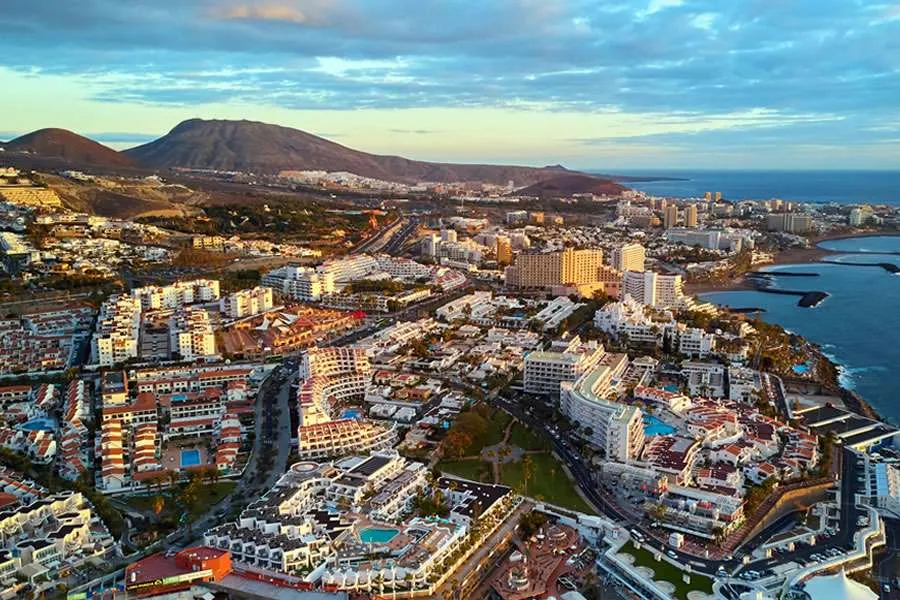
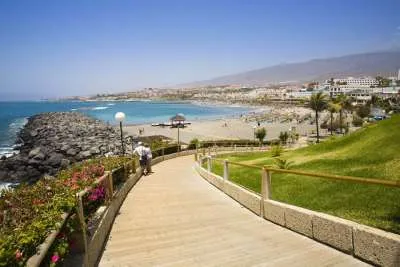
The south of Tenerife is celebrating four decades as home of the island’s main tourist resorts, a position it took in 1986 when it overtook Puerto de la Cruz, the long-established holiday favourite of the 1960s and 1970s. What began as a gradual shift in visitor preferences has since reshaped the island’s economy, coastline and global reputation.
The year 1986 is widely seen as the moment the south pulled ahead. With modern hotels, purpose-built resorts and almost guaranteed sunshine, the area began to grow steadily, attracting more visitors year after year.
While the north had long appealed for its mild climate and traditional charm, the south came to represent a new era of mass European tourism.
That same year, the world was undergoing major change, from Maradona’s legendary ‘Hand of God’ incident to the Chernobyl disaster and the return of Halley’s Comet. As travel habits shifted, holidaymakers increasingly favoured large sun-and-beach destinations with modern facilities and plenty of leisure activities.
Tenerife received 1.98 million tourists in 1986. Of these, around 832,000 stayed in the north, while more than 962,000 chose the south, making it the first year the balance tipped.
Infrastructure that transformed the island
The south’s rise was not accidental. Key infrastructure projects had already laid the groundwork: the construction of the southern motorway and the opening of Reina Sofía Airport gave the island a new international gateway, allowing charter flights from across Europe to arrive in large numbers.
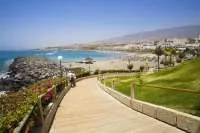
Private investment also played a crucial role. In the 1960s, Catalan entrepreneurs Rafael Puig Lluvina and his son Santiago took a bold step by developing the barren, rocky land that would later become Playa de Las Américas, today one of the world’s best-known resort areas.
Why the south surged ahead
Specialists point to climate as a decisive factor. Puerto de la Cruz initially thrived thanks to its pleasant, mild weather, but as tourism trends changed, visitors increasingly sought out destinations with more sunshine and extensive leisure options. The south offered beaches, modern accommodation, spacious promenades, water parks and nightlife, a combination that proved hard to beat.
Meanwhile, the north faced natural limits: less space for expansion and slower renovation of older hotels. As expectations rose and resort models evolved, more and more visitors chose to stay in the southern coastal towns.
Planning, investment and rapid expansion
The town halls of Adeje and Arona quickly adapted to the new demand. With support from developers, their urban plans allowed for major tourism projects that massively increased hotel and apartment capacity. Centres such as Playa de Las Américas, Los Cristianos and Ten-Bel grew rapidly during the 1970s and 1980s.
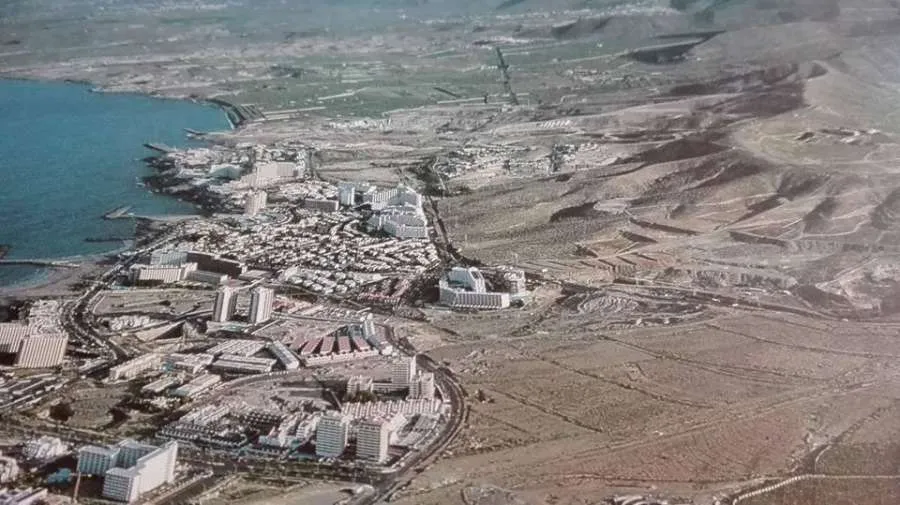
A growing Las Americas circa 1985 (Image: Andi Hart)
A legacy still shaping Tenerife today
Forty years on, the south’s dominance is the product of long-term vision, infrastructure investment and the ability to adapt to global tourism trends. Its success continues to influence discussions about sustainability, carrying capacity and the future model of tourism on the island, debates that are now as important to Tenerife’s identity as the milestone year of 1986 itself.
Share: