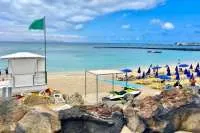

Winter in the Canary Islands: Warm Escapes Across the Archipelago

Humans really are committed to escaping winter. Northern Europe freezes solid, and suddenly everyone is googling islands with sunshine like they’re searching for buried treasure. Fortunately for them, the Canary Islands exist. A convenient volcanic loophole in the whole “winter must be miserable” rule.
Here’s the reality: winter in the Canary Islands is one of the most pleasant off-season travel experiences you can find. Mild weather, fewer crowds, and plenty of outdoor activities make the archipelago ideal for travellers who want warmth without the chaos of peak summer tourism.
Winter in the Canary Islands: Sunshine in the Middle of Europe’s Cold Season
Winter in the Canary Islands is nothing like winter in mainland Europe. The archipelago, which belongs to Spain, sits just off the northwest coast of Africa. Geography does its magic here.
From December to February, daytime temperatures typically hover between 18°C and 22°C (64–72°F). Nights get cooler but rarely cold, usually around 13°C to 18°C (55°F - 64°F).
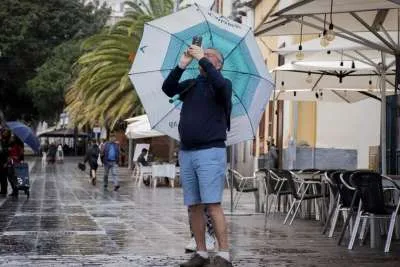
Rain exists, technically, but it rarely sticks around long enough to ruin anyone’s holiday.
The islands also enjoy plenty of sunshine during winter. Most days are bright and dry, which explains why travellers from colder countries escape here every year.
Each island offers its own personality:
- Tenerife mixes lively beaches, nightlife, and dramatic landscapes. It’s also home to Teide National Park, where Spain’s highest mountain dominates the skyline.
- Gran Canaria is famous for its diverse terrain. Visitors can explore mountains, forests, and the golden dunes of Maspalomas Dunes in the same day.
- Lanzarote feels otherworldly thanks to its volcanic fields and black lava landscapes. The island’s natural highlights include Timanfaya National Park, where geothermal activity still shapes the terrain.
- Fuerteventura attracts travellers seeking endless beaches and steady winds. Its long coastline and golden sands make it one of Europe’s best winter destinations for surfing and water sports.
- La Palma, often called La Isla Bonita, is known for lush forests, volcanic craters, and incredible stargazing conditions. The island hosts Roque de los Muchachos Observatory, one of the world’s premier astronomy sites.
- La Gomera is a paradise for hikers. Much of the island is covered by the misty forests of UNESCO-listed Parque Nacional de Garajonay, a subtropical space filled with ancient laurel trees.
- El Hierro is the smallest and least developed of the main islands. It’s known for its commitment to renewable energy and its pristine diving sites, making it a favourite among eco-conscious travellers.
- La Graciosa offers a completely different pace of life. With sandy roads, small villages, and minimal traffic, the island feels like a step back in time. Visitors often come here for quiet beaches and peaceful cycling routes.
Winter here feels more like a calm off-season spring than the dramatic scarf-and-gloves affair most people associate with the word “winter.”
What Tourists Can Do in the Canary Islands During Winter
The pleasant weather means visitors don’t need to wait for summer to enjoy outdoor activities. Winter is actually one of the best times to explore the islands.
Outdoor Activities Tourists Can Enjoy
Even in winter, the Canary Islands are packed with things to do. The region’s natural beauty makes outdoor exploration the main attraction.
1. Hiking Volcanic Landscapes
The islands were formed by volcanic activity, and the terrain shows it dramatically.
Teide National Park in Tenerife, home to Spain’s tallest mountain, offers spectacular hiking trails through lava fields and surreal rock formations.
Lanzarote’s Timanfaya National Park is another must-see. Its black volcanic soil and geothermal activity create a landscape that feels almost otherworldly.
2. Beach Days and Coastal Walks
Winter sun still warms the beaches enough for relaxing afternoons by the sea. While the Atlantic water can feel refreshing, many visitors still swim, surf, or simply enjoy the coastal views.
Fuerteventura, in particular, is famous for its long sandy beaches and excellent wind conditions, making it a favourite for surfers and windsurfers.
3. Whale and Dolphin Watching
The waters surrounding Tenerife and La Gomera are among the best whale-watching locations in Europe.
Several species of whales and dolphins live here year-round, so winter boat tours often reward visitors with unforgettable wildlife sightings.
4. Exploring Local Culture
Winter is also a great time to explore the islands’ towns, markets, and historical sites. Traditional villages, colourful colonial architecture, and local cuisine offer a glimpse into the archipelago’s unique blend of Spanish and island culture.
Evenings are relaxed, with many travellers unwinding in cafés or enjoying quiet hotel nights. Some pass the time reading, streaming shows, or even choosing to play bingo online on mobile while relaxing on a balcony overlooking the Atlantic.
Safety and Comfort Tips for Winter Travellers
Despite the mild climate, winter visitors should still prepare properly to stay comfortable and safe during their trip.
1. Pack Layers
While daytime temperatures feel warm, evenings can become cool, particularly in higher elevations or coastal areas. A light jacket or sweater is useful after sunset.
2. Be Ready for Wind
Some islands, especially Fuerteventura and Lanzarote, can experience strong Atlantic winds during winter. Sunglasses, sunscreen, and wind-resistant clothing help keep outdoor activities comfortable.
3. Stay Sun-Safe
Even in winter, the Canary Islands receive strong sunlight due to their southern location. Sunscreen, hats, and hydration are essential when spending time outdoors.
4. Check Ocean Conditions
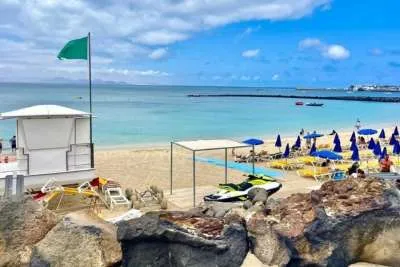
Winter waves can be stronger than usual, particularly on exposed beaches. Always follow local swimming guidelines and watch for warning flags posted along the shore.
5. Plan for Popular Attractions
While winter is quieter than summer, famous spots—think Mount Teide or popular whale-watching tours—can still fill up quickly. Booking tickets in advance ensures a smoother travel experience.
Why Winter Is One of the Best Times to Visit the Canary Islands
The Canary Islands offer something rare: a winter destination that feels genuinely warm, not just “less freezing than usual.”
Between sunny beaches, volcanic landscapes, marine wildlife, and vibrant towns, the archipelago remains active even during Europe’s coldest months.
Visitors can hike mountains, relax by the ocean, explore national parks, and enjoy local cuisine all within the same day.
For travellers tired of grey skies and icy streets, winter in the Canary Islands feels like pressing pause on winter entirely.
Not a bad trade, considering the alternative is scraping frost off your car and pretending that three layers of clothing counts as comfort.
Share: