
New technology to help tackle wildfires tested in Fuerteventura
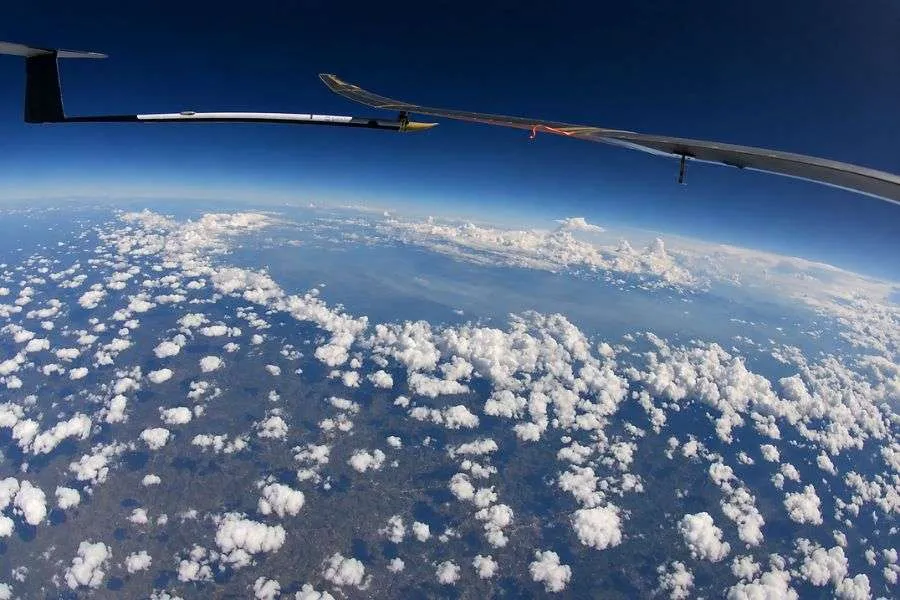
A stratospheric balloon and a high-altitude aircraft have flown simultaneously in a coordinated operation from Fuerteventura Technology Park, in what organisers describe as a European first.
The trial took place at the park’s Canarias Stratoport facilities in partnership with Telespazio Ibérica. It tested how different aerial platforms can operate safely together, with potential future uses including wildfire monitoring, emergency response and environmental protection.
The programme began in the early hours of 4th October, when German company TAO Group launched a stratospheric balloon on a flight lasting approximately two and a half hours.
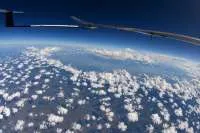
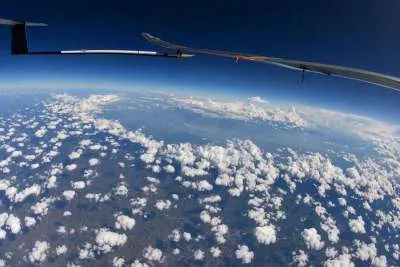
The balloon reached 25,000 metres above sea level, using optical and infrared cameras to capture images. These were transmitted directly to the technology park’s Geo Information Centre.
A second operation followed in the early hours of 7th October, bringing together the TAO balloon and Space42’s APUSNEO 18 high-altitude aircraft. Both were operated by teams from Spain’s Advanced Centre for Aerospace Technologies, known as CATEC.
The Space42 aircraft took off at approximately 12.20am Canary Islands time. Once it had reached its designated operating area and safety checks had been completed, the balloon launched at around 1.10am.
Teams maintained a safe distance between the two platforms and stayed in constant contact throughout take-off and the subsequent flight stages.
According to the technology park, this was the first simultaneous, coordinated flight of its kind in Europe.
Telespazio Ibérica chief executive Carlos Fernández de la Peña said the aim was to move beyond technology demonstrations and combine information from stratospheric platforms, ground systems and satellites.
That information could help authorities anticipate, monitor and manage forest fires.
Fuerteventura Cabildo president Lola García welcomed the operation, highlighting the island’s capacity to develop technology for public services.
Technology park manager Sergio Díaz said the flights strengthened the facility’s role as a base for testing advanced aerospace systems and demonstrated Spain’s ability to host complex stratospheric missions.
The trials form part of ISSEC, a project within the Canarias Geo Innovation 2030 programme, which develops aerospace technology for security, emergencies, biodiversity and other public services.
The work is supported by Canary Islands Government funding and European NextGenerationEU recovery funds through Spain’s national recovery plan.
Share: