
Understanding the importance of leadership in sports teams
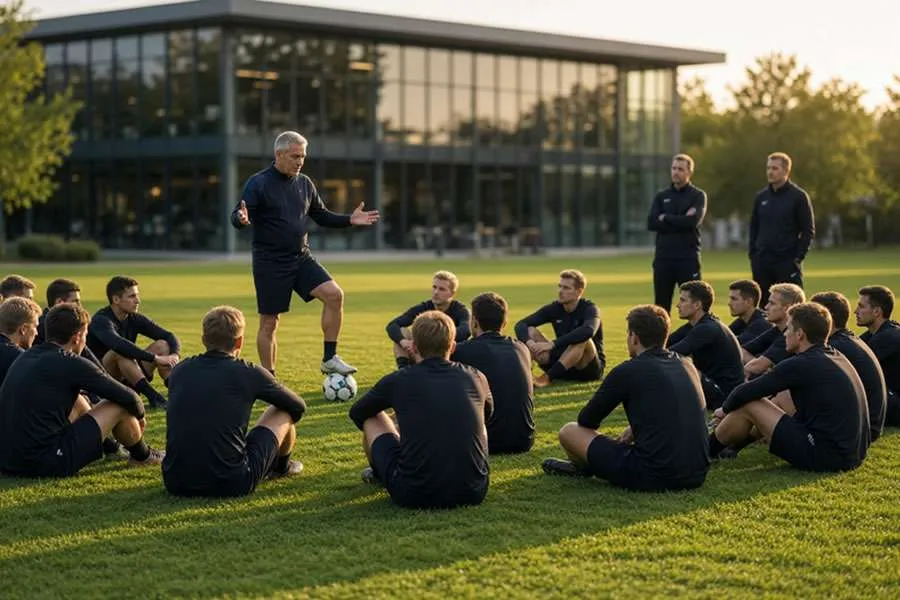
The best sports teams don’t always win the most headlines. Although talent can give a team a competitive edge, effective leadership can bring a group of individuals together to become a unit, thus helping a team realise its fullest potential over the course of a season. Not every captain leads the same way.
Captains lead differently and set different standards, and coaches establish different directions. More often than not, a veteran player shapes a team’s character and defines how a team trains and competes.
Leadership in Team Sports
Team sports are not monopolised by a single individual. Influencing a group to a common goal can be done through various means, be it task, motivation or personal example. Athlete leaders have been reported to fulfil various roles ranging from task, motivation and social to external focus. Research has shown that effective leadership is better shared among several members of a group, as opposed to being fulfilled by a single individual, as this keeps the group steady, cohesive and sound even in the absence of an individual leader.
Our closest followers appreciate how we break down leadership in how players perform and conduct themselves. Many experienced punters who like sports betting (Farsi: شرط بندی ورزشی) study leadership from week to week before deciding on which markets to take. Match, player prop, and live markets can all move given key leaders are rested, injured, or replaced. That is why many of us treat leadership as a performance factor.
Leaders Build Trust & Communication
A foundation of many winning teams is trust, which a leader instils in members through consistent behaviour. When a team captain admits a mistake and listens to members; players feel more comfortable to speak their mind. During the heat of a match, leaders who set clear expectations for members can ease anxiety and uncertainty caused by role confusion. Members appreciate clear, concise role definitions because it fosters natural cooperation.
Team culture also matters to fans who compare statistics, study tactics, and follow squad news before each game. Many readers who regularly browse a betting site (Farsi: سایت شرطبندی) often find lineup updates, form tables, and injury reports in one place. Typically, if members of the squad news are missing, it alters expectations for future matches and markets associated with those contests. Game plans determine outcomes, as do anxious, decisive actions made by savvy casino bettors.
Leaders Shape Resilience Under Pressure
Successful teams encounter setbacks such as long losing streaks and events beyond their control, including injuries and unlucky breaks. How leaders view and subsequently communicate these events to their teams affects how hard the teams play and how focused they remain. Leaders should strive to build and instil a sense of calm to slow the pace and steady the nerves of team members. Setbacks occur in sports and all areas of life. Coaches and players often sit together and process a negative result, for instance during a post-game talk or training session.
The following lists areas that support resilience in sporting teams.
- Composure: A calm disposition serves to settle nerves, especially when things seem to be spinning out of control.
- Accountability: Being able to own up to mistakes and taking responsibility encourages members to do the same.
- Consistency: Being steadfast in one’s convictions serves to instil a high standard amongst members.
- Encouragement: Positive feedback and reinforcement after a mistake serves to rebuild confidence.
Other similar team “codes” are developed and practised repeatedly to rebuild confidence during the low ebbs of a season. These serve to restore balance and stability and to keep players' and management's expectations in line, realistic and grounded during long and demanding seasons.
Coaches and Captains: Different Roles, Same Goals
Successful teams require both planning and on-field leadership, which is why good coach and captain partnerships are important. A coach sets the culture at training and guides the development of the players at the club by planning tactics and selecting the squad. At matches, captains and senior players limit the influence a coach has, and coach less. Sir Alex Ferguson managed Manchester United for over twenty years and relied on players to reinforce his standards, which shows that leadership works best when the roles are clear and respected.
Challenging the boundaries of these roles leads to problems. If the leaders of the team aren’t clear and consistent, players may become confused about who is ultimately in control. And that ambiguity can negatively impact team coordination. Expectations within a team should be discussed so people on the team are clear about who is in charge of discipline, tactics, morale, and communication. Mentoring younger players is best practised when the leader, instead of criticising, explains standards, expectations and decisions, so younger players are motivated to learn and contribute.
Cultivate Leadership at Every Level
Many believe strong leaders are born, not made, meaning teams are forced to wait for the right leaders to show up. Some believe this natural process takes too long and has proven counterproductive. True, teachable leadership can and should be implemented at every level of youth development. Incorporating leadership training along with physical and technical training can strengthen team ethics and collaboration.
Developing leaders takes daily practice. Many habits can be adopted to teach leadership. For example, rotating captains for different drills gives players a chance to take leadership and helps less responsible players learn to take charge. This creates a culture of responsibility. Offering and receiving feedback helps players understand their impact on their teammates and how to frame their feedback in a constructive manner. The small habits cultivate leadership, responsibility and a safe culture.
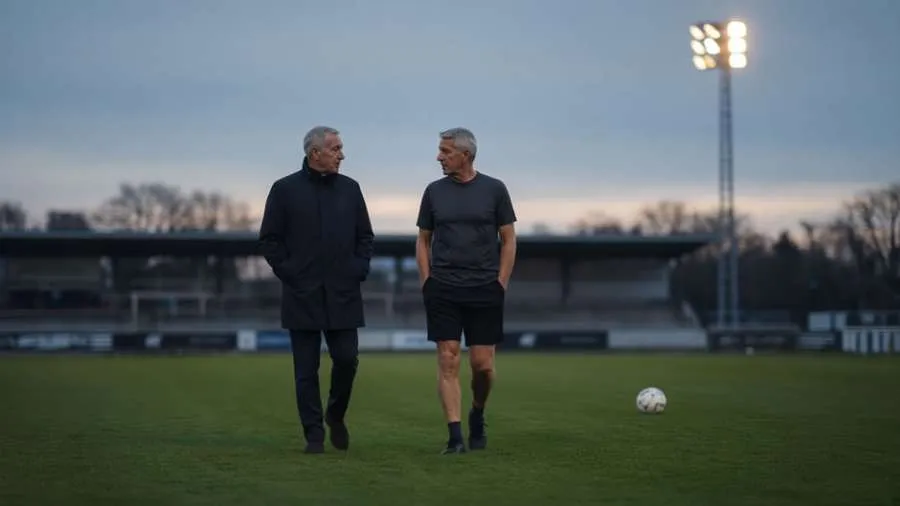
Player leadership is evident in positive body language, participation, and communication. Players who help organise their teammates or assist in the setup of plays and make adjustments based on referee actions demonstrate leadership. To encourage leadership behaviours in athletes, coaches should credit the teammates who encourage and guide their peers, and not only those who score the goals.
Recognising teammates in this way shows that influencing people at various levels of the organisation is important, and leadership is embodied by the entire team, not only by an individual.
Leadership Styles and Their Effects on the Team
Successful teams are often a blend of different styles of leadership, and effective leaders are often a blend of various styles themselves. There are different styles in different situations and with different levels of experience of a squad. Here are three common styles of leadership and how they are often played out in the actual game situation.
|
Style |
Typical Behaviour |
Best Used When |
|
Directive |
Gives clear instructions and sets firm standards |
Time is short or roles are unclear |
|
Supportive |
Listens, encourages, and builds personal bonds |
Players need confidence after setbacks |
|
Participative |
Invites input and shares important decisions |
Experienced squads want ownership |
There are different situations for each style, and oftentimes the best approach is a blend of different styles, changing styles based upon the situation, and reading the room. A coach who is supportive during a long, drawn-out game may be directive in a final. Often the best approach is to do what's needed, read the situation, and adjust your style.
Winning Together: The Lasting Value of Leadership
The very best sports teams combine all of the above, and none of these can fully replace the others. Leadership builds confidence and composure in teammates, and helps people cope and manage negative emotions when results don’t go their way. While the scores and goals decide the outcomes, great leaders and managers share responsibility across the squad, making the team less reliant and dependent on any individual during tough times.
Share: