
How innovation is transforming traditional retail industries
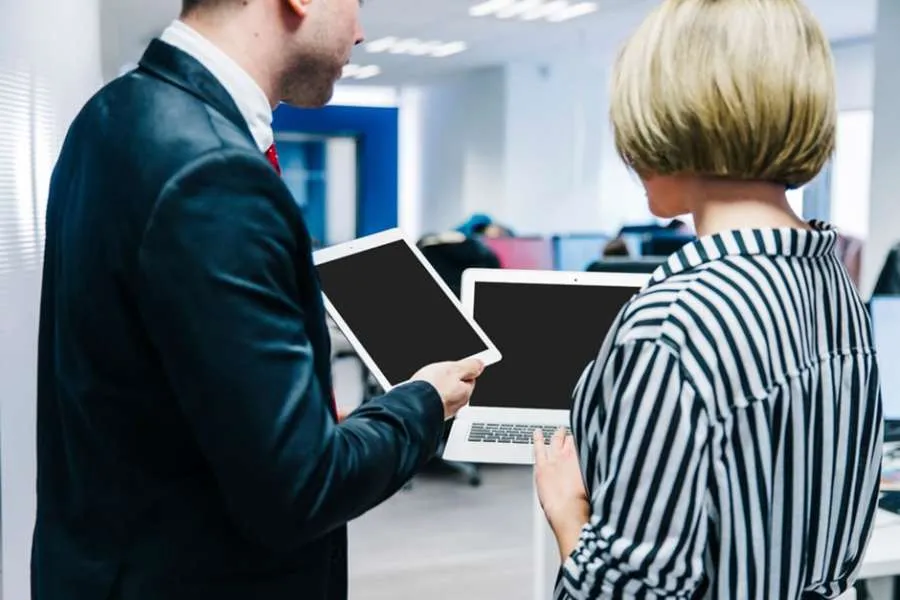
The global economy is changing. The retail business always changes, improves, and adapts its practices. The ways stores stocked and displayed their inventory didn’t change for a long time. The ways customers purchased and consumed goods did not vary for a long time. The invention of the internet and other information technologies changed commerce.
Old market economies and new, first-world economies continue to adopt and improve digital markets and electronic money systems. The invention of low-cost, high-speed, and widely available computers and the internet changed retail and commerce.
Online services have also made the distinction between physical and digital shopping less noticeable. Shopping has become an interactive and engaging experience, with the limits of “reality” and entertainment blurred. Shoppers remain in control and retain choices.
Traditional stores have started looking towards online casinos and bookmakers, for example, and verifying their transformational strategies. Online bookmakers are leaders when it comes to user acquisition strategies and user engagement. A large reason for this is the nature of the product and industry.
For an online bookmaker or casino, acquiring a user means giving that user access to an online platform and product catalogue. In most cases, it’s as simple as completing Melbet registration. Many retail strategists want to understand these frictionless user acquisitions and implement similar strategies to engage users in high-intensity interactions.
Real-world retailers are also studying the user acquisition strategies of the online gambling and bookmaking industry to gain user engagement and interaction strategies to help users transact with the retailers in a similar intense and passionate manner as users place bets in online gambling platforms.
The Role of AI, Gadgets, and Smart Computers
The recent rapid advancements in technology have changed the way businesses interact with customers. The merging of technology with artificial intelligence has altered the way products and services are sold, marketed, and delivered. Physical stores have transformed from mere locations to store goods to digitised and intelligence-facilitated stores.
Dedicated and powerful computers are placed throughout the store to analyse consumer behaviours and compute real-time and predictive consumer purchase patterns. The shopper experience has been changed to a more individualised and interactive experience. Through the application of computers, sensors, and AI, consumers are offered product recommendations, virtual product trials, and other services previously offered in brick-and-mortar stores.
Modern retail has taken many customer engagement and retention tactics from the interactive entertainment industry. One of the fastest-growing industries, online gambling, is famously competitive, and to retain customer engagement, operators employ techniques such as gamification. Users are incentivised to log in and engage the platform multiple times a day.
A Melbet login provides access to a betting account, illustrating how digital platforms organise account-based services through a single interface. Often, the fastest way for retail software developers to iterate and test product engagement and retention strategies is to study customer engagement and retention strategies in Interactive Entertainment. As such, retail software development has spawned many customer engagement and retention tactics that blur the lines between retail and interactive entertainment.
|
Feature |
Traditional Retail Model |
Innovative Retail & Tech Model |
|
Customer Engagement |
Passive window shopping and static displays. |
Gamified apps, AR gadgets, and personalised AI recommendations. |
|
Inventory Management |
Manual stock counts and reactive ordering. |
Predictive AI algorithms and real-time blockchain tracking. |
|
Payment Methods |
Cash and standard credit card terminals. |
Crypto wallets, mobile apps, and frictionless checkout. |
|
Entertainment Value |
Minimal; purely transactional experience. |
High; integrates esports, interactive displays, and cinematic media. |
Incorporating Esports and Computer Games into Retail
The integration of competitive gaming and retail is an area of rapid growth and development. The esports industry has captured the interest of financiers and the youthful, technologically oriented crowd. The transformation of former retail spaces into large esports facilities, particularly in malls, is strategic. Esports facilities, by nature, bring a large concentration of customers to a retail location.
Most importantly, the esports facilities in malls provide customers with a means of viewing their favourite esports teams. Additionally, the facilities enable visitors to engage in esports activities and shopping in the same location.
The retail industry has adopted numerous esports and gaming activities and integrated them across various sectors. The following are the principal esports and gaming activities and their impact on the retail industry.
1. In-Store Gaming Zones: The integration of high-end gaming computers in retail outlets to allow customers to test and compare products through competitive gaming.
2. Esports Apparel and Equipment: Retail spaces devoted to the sale of apparel and equipment utilised by professional esports teams.
3. Launch Events: Use of gamification to facilitate product demonstrations and releases.
4. Online Retail Spaces: Placing retail outlets in virtual environments to sell goods and services.
Cryptocurrencies and High-Tech Trading in Commerce
The financial system is changing, and along with it, the way retail transactions occur. In developing countries, the empire and monopoly of slow and unreliable banking systems are breaking, and other systems are taking their places. One such system is blockchain. Finally, cash-register systems have the capacity to process cryptocurrencies.
Cryptocurrency payments may offer additional options for international transactions. However, processing times, fees and conversion costs depend on the network and payment provider. The system creates a more private and safer way to process financial transactions for consumers who wish to retain their financial privacy.
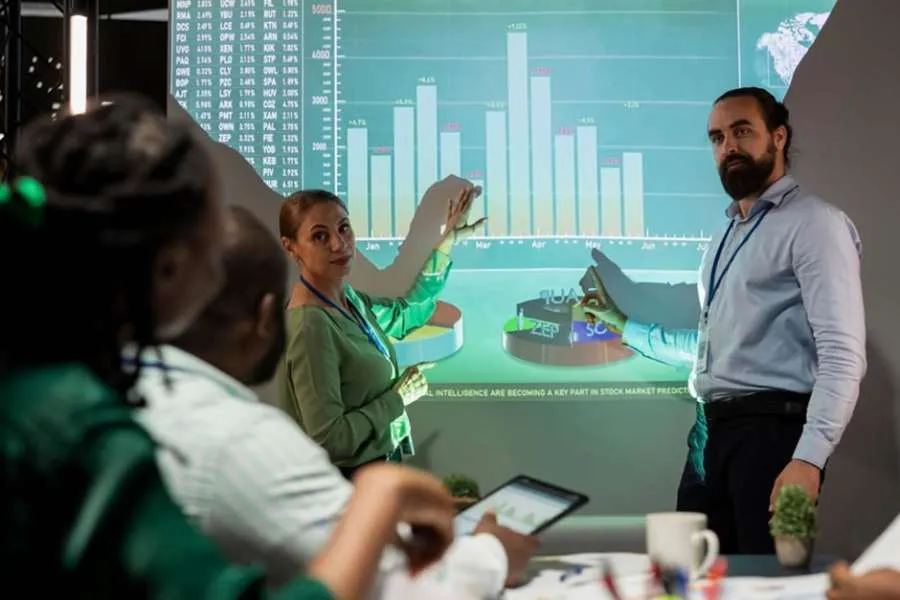
The technology is advancing so quickly that it is beginning to blur the lines between financial markets and retail markets. Complex algorithms and artificial intelligence are allowing retailers to alter prices based on the tone of the financial markets. Some retailers use dynamic pricing to adjust offers in response to demand, stock levels or competition. Customers can compare these changes before purchasing.
AI and Cinematic Films: Designing the Future Store
Retail spaces are beginning to take after film sets. The focus is less on display and more on constructing a story with a beginning, middle, and end. The use of state-of-the-art technology is changing retail spaces and allowing for previously unimaginable levels of interaction and engagement with consumers. By combining AI projection mapping and LED screens, a storefront can project an ever-changing backdrop to complement and promote a store’s merchandise.
The use of these technologies changes a retail space to a set piece for a production. The technology is so advanced that it is even able to engage a shopper’s senses beyond that of sight. One of a retail space’s chief goals is capturing and retaining consumer interest and patronage. Through the use of storytelling and state-of-the-art technology, this interest and patronage can be transformed into a shopper’s sense of loyalty.
The Intersection of Sports Betting and Retail Real Estate
The incorporation of sports books and casinos into real-world environments is another development radically changing commercial real estate. As legal restrictions are relaxed, sports books and casinos will be integrated into world-class retail and entertainment complexes. The future of shopping and entertainment will be enhanced with sports books and casinos located within retail complexes.
Many shopping malls will feature sportsbooks and casinos with the latest high-definition big screens airing live sporting events. Shoppers will be able to enjoy games and place wagers on outcomes using sports book kiosks. Sports books and casinos will be located in retail complexes, allowing shoppers to bet on sporting events and shop or dine on the same outing.
The following are positive economic impacts of merging gambling and sports betting with retail and entertainment:
- Customer Engagement: Licensed entertainment facilities may attract additional visitors to commercial premises.
- New Retail Income: The sports books and casinos within retail locations protect mall operators from losing department store income.
- Improved After-Hours and Weekend Attraction: Retail locations gain after-hours and weekend customer engagement with sports books and casinos.
- Combined Promotions: Sports books and casinos can offer shopping promotions, and retail stores can offer sports betting promotions.
Conclusion: The Future is Interactive
Digital technology is changing retail in practical ways, from stock management and payments to customer service. The division between retail, finance, movies, video games, and sports and betting has lost its definition. The retail industry has to keep up with these rapid transformations by integrating the latest innovations. Traditional retail outlets in Djibouti have to keep up if they wish to survive.
Digital integration will allow retail outlets to use artificial intelligence to better serve customers and increase retail profitability. Cryptocurrency allows point-of-sale transactions to be completed instantly and with very little to no friction. The casino and betting industries retain their customers using state-of-the-art, engaging, and interactive systems. The retail sector is adopting these systems to positively affect its own customer engagement and retention.
Share: