

The development of women’s participation in professional sport
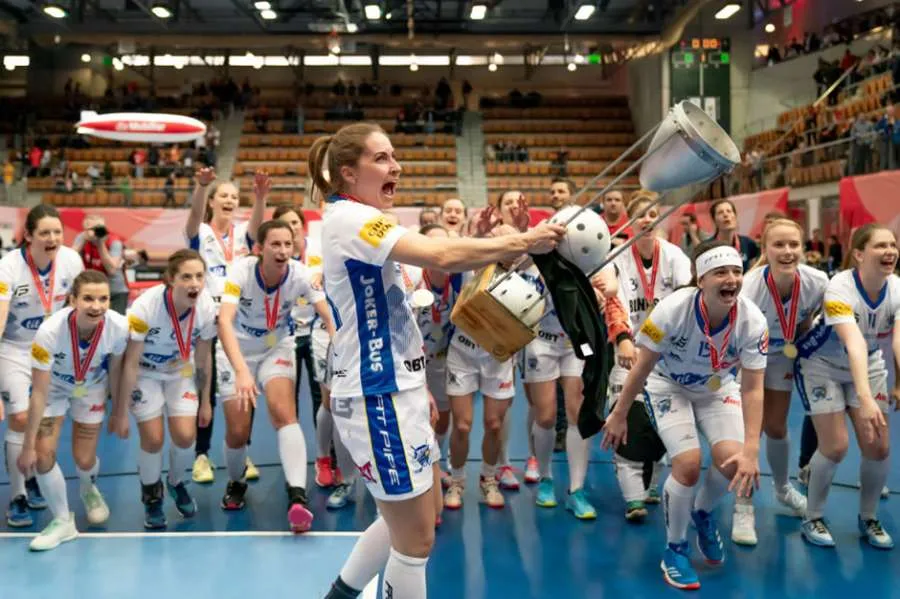
The women’s scene in sports is on the rise right now. This rapid growth is pushing the industry forward, bringing along a wave of change across commercial areas. Platforms that analyse sports performance and the betting and casino (Turkish: bahis casino) sectors are seeing a huge rise in interest from fans and investors alike.
These trends show clearly that women's tournaments are no longer a small part of the sports world. They have become global media events that draw big multinational investments.
Now the industry is going through a major transformation. Governing bodies are changing how things work. Sport’s governing bodies are introducing measures to improve working conditions and professional standards in women's competitions.
These include maternity protections, club licensing requirements and initiatives to strengthen player welfare. However, regulations differ between sports, countries and leagues, and equal employment conditions have not yet been achieved across the industry.
Commercialisation And Diversification of Media Rights
Historically, women's competitions faced a lack of television coverage. This lack stopped women's competitions from getting big sponsorship deals. The way money is made from sports has changed a lot. Sports associations have started to split broadcasting rights, putting women's leagues apart from men's championships. This move lets people see the value of women's professional leagues and brings in broadcasters who want only women's professional leagues content.
Because the industry is worth more, it is building physical places. Professional clubs are putting money into building training centres and medical rooms made for the bodies of female athletes. Building this infrastructure is a key way to lower injury rates for female athletes and to make female athletes last longer in their careers.
Economic Vectors and Corporate Partnership
The sponsorship market is undergoing a fundamental shift from traditional corporate social responsibility to pragmatic commercial partnerships. Multinational corporations view women's teams as a highly effective tool for engaging a new consumer demographic characterised by high loyalty to the brands that support them. The following table compares established funding arrangements with newer commercial opportunities emerging in women's professional sport:
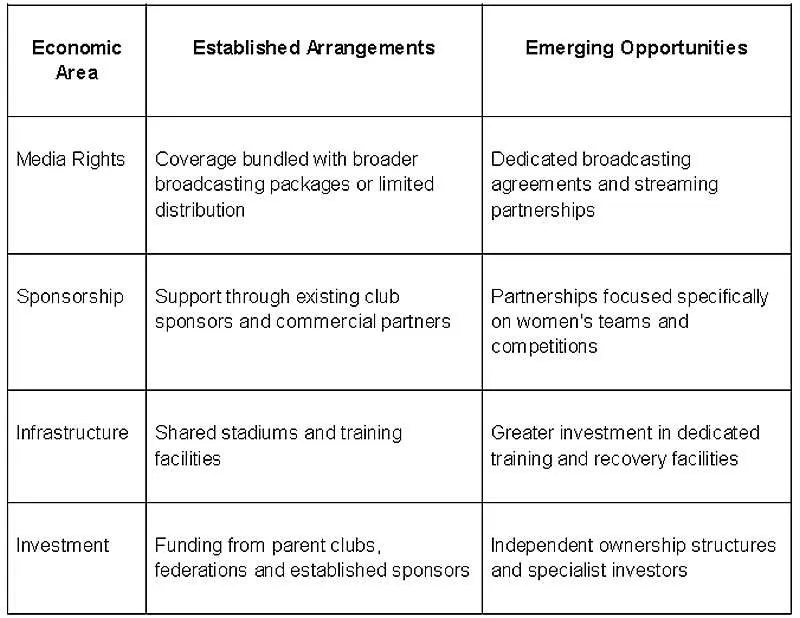
There are a lot of ways modern sports can build economics for competitions.
Digital Environment and Analytical Tools
The digital world has helped make women's sports more popular around the world. Years ago there was not much TV coverage. This has changed because streaming services, social media and websites that collect data have grown fast. Now people can see stats like expected goals, maps that show where players move and information about how hard players work. These tools have made watching sports like looking at a detailed report. GPS.
Cameras that track players have made the technology used in women's sports match the technology used in men's sports. People use programs to watch numbers changing odds and results. Many people like to use the Melbet app because it gives them access to sports data and expert opinions. Mobile technology helps people get the information while games are happening. This makes it easier for fans to look at how teams play and how individual players do.
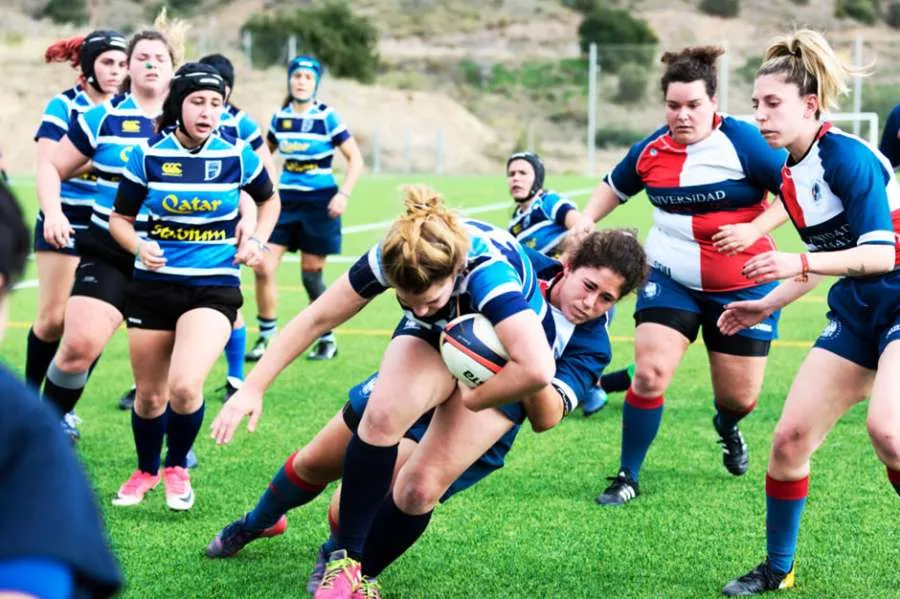
Key Factors Driving the Growth of Women's Professional Sport
Several interconnected factors are contributing to the development of women’s competitions. Their combined impact is changing how leagues operate, how athletes build careers and how businesses evaluate investment opportunities.
The important factors include:
- Greater Media Exposure: Broadcast agreements, streaming services and social media help women’s competitions reach wider audiences and attract potential commercial partners.
- Sponsorship Opportunities: Dedicated sponsorship deals can give teams and athletes additional funding.
- Professional Working Conditions: Better contracts, training facilities and medical support can help build more stable careers.
- Youth Development: Academies and grassroots programmes offer girls pathways into competitive sport.
- Leadership Opportunities: More women in coaching and management can bring a broader range of experience to sporting organisations.
- Digital Technology: Video analysis, performance monitoring and direct communication with supporters give athletes, coaches and clubs new tools to work with.
Together, these developments are creating a foundation for the long-term growth of women's professional sport. However, continued progress depends on whether sports organisations can turn increased interest into sustainable funding, consistent employment standards and equal access to professional opportunities. The work is not done. The support must keep growing. The opportunities must keep expanding. The goal is fairness. The goal is equality. The goal is a future where women’s sports are on equal footing with men’s sports. With continued effort, the future is closer than ever.
Overcoming Institutional Barriers and Standardisation
Despite economic growth, the industry still has to deal with deep-rooted structural problems. The main direction for progress is the effort to create institutions and the strict control of worker relationships through group agreements.
The overall plan to update the sector is based on the following areas:
- Pay and Contract Standards: Establishing transparent pay structures, minimum contractual protections and fairer financial conditions across professional competitions.
- Maternity Protection: Introducing paid maternity leave, pregnancy-related employment safeguards and appropriate support for returning to play.
- Coaching and Leadership Development: Expanding women’s access to coaching qualifications, professional education and management opportunities.
- Recruitment and Scouting: Using video analysis and performance data to identify talent while assessing potential bias in automated recruitment tools.
The level of development in women's sports is now shown by a move from a focus on fairness to a focus on real business success. The creation of organisations, the big increase in money from media rights and the use of better data analysis clearly show that the sport has become a separate, high-tech and competitive part of the world economy.
Share: