
How tourism is transforming local businesses and communities across the Canary Islands
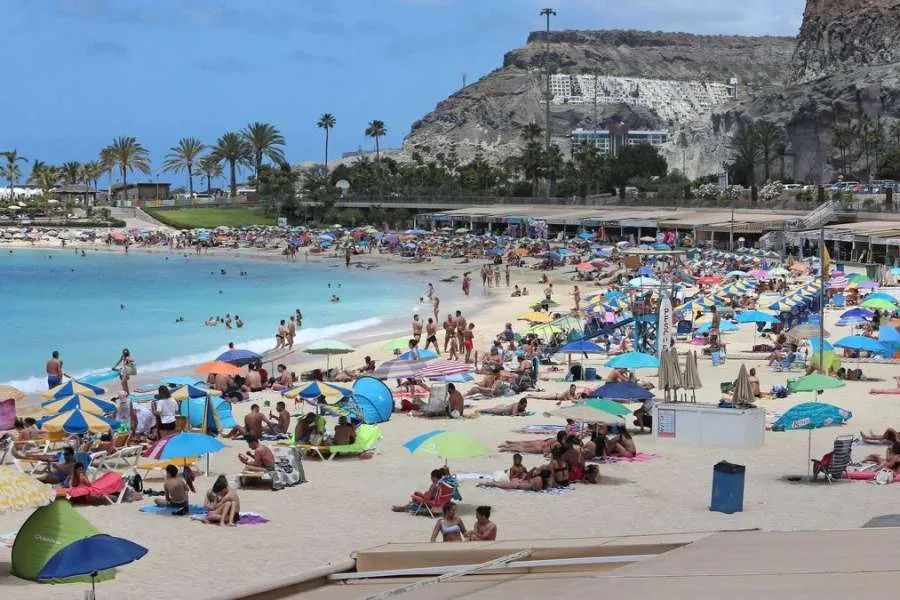
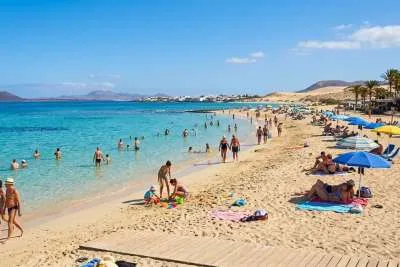
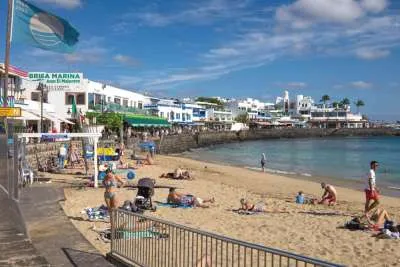
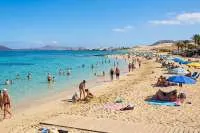
Few industries shape life in the Canary Islands quite like tourism. The mild weather, dramatic volcanic scenery, golden beaches and rich mix of customs draw millions of holidaymakers every year. That constant stream of visitors opens doors for local firms, keeps people in work and brings money for roads and services.
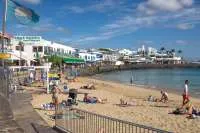
A fisherman's daughter in Lanzarote might now run a busy seafront café that her grandparents could only have dreamed of. There is a catch, though, as the same boom puts real pressure on the land and on everyday life.
Supporting Local Businesses and Employment
Visitors need all sorts of things. Hotels, restaurants, cafés, taxi firms, tour guides and independent shops all gain from holiday spending. Smaller businesses especially can find customers from across the world and earn a firmer footing at home. A tiny surf school in Fuerteventura can fill its lessons with guests from Germany, Britain and Italy in a single week.
Eateries serving classic Canarian food, family-run guesthouses and little craft shops let travellers see far more than the usual sights. They also keep old traditions alive while putting money in local pockets. A plate of wrinkled potatoes with spicy mojo sauce tells a visitor more about the islands than any brochure.
The trade keeps people employed in hospitality, transport, upkeep, entertainment and customer care. It also creates knock-on work for suppliers, farmers, builders and many other trades. A banana grower on La Palma may never meet a tourist, yet still depends on their custom.
Encouraging Investment in Infrastructure
Busy holiday seasons usually bring better public facilities. Roads, airports, harbours, buses, clinics and phone networks may all get fresh funding to cope with rising numbers. A smoother road to a mountain village helps the baker as much as the backpacker.
Locals often gain just as much as visitors from these upgrades. Faster links make it simpler to get between towns, and improved public buildings make daily life easier. Overseas property buyers are paying attention too, weighing one destination against another. A buyer weighing up an apartment in Athens, Greece, for instance, might also look at how holiday crowds push up property demand and rental income in other sunny European hotspots. A buyer comparing sea views on a laptop late at night is a familiar sight.
Building needs a careful hand, mind. A sudden surge in visitors can strain roads, water supplies, rubbish collection and public services. Councils have to think about what residents will need in twenty years' time before signing off new projects. A hotel that drains a village well serves nobody for long.
Promoting Local Culture and Traditions
Tourism gives the islands a stage for their culture. Colourful festivals, folk music, local cooking, crafts and historic landmarks all help share Canarian heritage with people from around the globe. A carnival parade in Santa Cruz can leave a visitor talking about it for years.
Many travellers want a taste of real island life, not just days by the pool. Village markets, cultural events, guided history walks and traditional restaurants help satisfy that curiosity. A morning spent at a farmers' market often becomes the highlight of a trip.
Backing these activities also inspires young islanders to keep old skills and customs going. When visitors create genuine demand for local goods and experiences, protecting culture becomes part of how the economy grows. A teenager learning to weave baskets from a grandmother has a reason to keep going.
Creating Opportunities for Sustainable Tourism
Protecting nature matters hugely on islands. Volcanic hills, coastlines, forests and the sea around them are among the main reasons people come at all. Overbuilding and careless visitors can spoil the very treasures that pull the crowds. A trampled dune or a littered cove takes years to recover.
Greener tourism nudges both firms and holidaymakers to tread more lightly. Hotels can fit energy-saving systems, cut wasted water and handle rubbish better. Restaurants can buy seasonal food from nearby growers, and tour firms can plan outings that leave animals and nature reserves undisturbed. A whale-watching boat that keeps a respectful distance earns far more trust than one chasing the pod.
Travellers can play their part as well by following local green rules, taking litter home, leaving habitats undisturbed and picking businesses that act responsibly. Small choices, made by millions of visitors, add up quickly.
The Importance of Supporting Local Producers
Tourism can tie hotels and restaurants more closely to island farms, food makers and workshops. Kitchens that buy local produce help knit together a stronger regional economy. A chef who knows the goat farmer by name tends to serve a better cheese.
Island specialities, from local cheeses and wines to fresh fish, fruit and handmade crafts, give visitors a real feel for what makes each island unique. A glass of volcanic Malvasía wine says something no postcard can.
Buying local can lessen the reliance on imported goods while opening a bigger market for small producers. Overseas interest in island homes keeps rising too, and sites like Tranio show how visitor numbers, the local economy and transport links can sway where buyers put their money. Many buyers look closely at how busy a destination's tourist season is before committing.
Managing Housing and Community Challenges
The benefits come with a cost for those who live there. Rising demand for holiday lets can squeeze the housing supply and push rents up in hotspots. Crowded squares, traffic jams and stretched services can also make daily routines harder. A nurse searching for an affordable flat near work may find most of the street booked by holidaymakers.
Solving this takes teamwork between councils, residents, tourism firms and landlords. Sensible rules on holiday lets, smart town planning and money for affordable homes can help keep holiday growth in step with what communities need. Nobody gains if local workers can't afford to live where they work.
Policy needs to weigh the health of the economy against the well-being of people who call the islands home all year round. A thriving resort means little if its own residents are priced out.
Building a Balanced Future for the Canary Islands
Lasting success rests on balancing economic growth, care for the environment and the interests of locals. Firms need steady conditions, visitors want memorable trips, and residents need homes, services and open spaces. Get that mix right, and everyone benefits.
Encouraging thoughtful travel, backing independent businesses, guarding natural resources and keeping heritage alive can build a far sturdier tourism economy. Each step makes the islands stronger.
The Canary Islands offer far more than famous holiday spots. Their people, customs, scenery and small businesses are just as central to who they are. With careful management, the islands can keep welcoming visitors from around the world while protecting what makes them so special. The beaches draw people in. The communities make them want to return.
Share: