
Latest media criticism sparks debate on Canary Islands’ Tourism Model
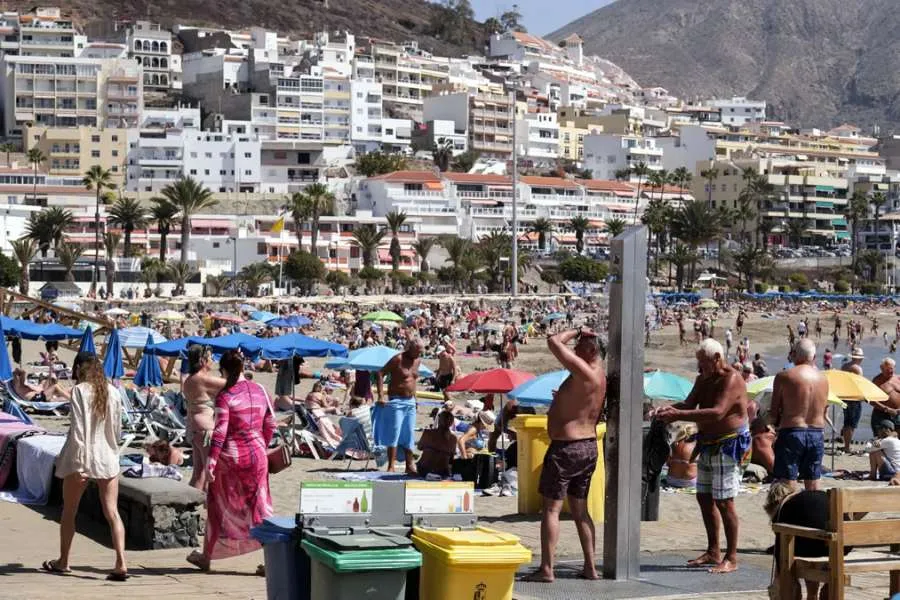
The Canary Islands received more than 18 million tourists last year, breaking records in visitor numbers, revenue, and employment. Nearly three million of those visitors came from Germany, the archipelago’s second-largest market, after Brits, at 16.4%. However, a recent German newspaper article advising against visiting the islands in 2026 has stirred concern among tourism experts.
The publication argues that the Canary Islands “suffer from the impact of tourism”, leading to tensions and a decline in service quality. Several Canarian media outlets have echoed the article, prompting debate over whether such reports could damage the islands’ reputation. While experts doubt these stories will significantly reduce visitor numbers, they warn that they harm the destination’s image. “Tourism relies heavily on perception,” said Raúl Hernández, Professor of Tourism at the University of La Laguna.
A pattern across European media
The German article follows similar pieces from other countries. Leggo Tenerife, an Italian publication targeting residents in the islands, recently advised against visiting due to “monotonous” weather and perceived weaknesses in public services.
The Manchester Evening News also recommended Egypt over the Canary Islands, an unusual shift given the long-standing affinity between British media and the archipelago.
Britons remain the islands’ largest visitor group, representing 34.6% of all tourists, more than Germans, mainland Spaniards, and French travellers combined.
Hernández explained that such lists and rankings rarely stem from rigorous analysis. Instead, they capitalise on topics that attract attention but lack scientific grounding. “Most successful destinations eventually appear in these lists,” he noted, adding that, over time, their credibility weakens as consumers recognise that many global destinations face similar challenges.
Nevertheless, he acknowledged that these articles can reinforce the perception of the Canary Islands as overcrowded and environmentally strained, an image that carries “a degree of truth” and may deter environmentally conscious travellers. These are precisely the visitors the islands most need, he said.
Tourism pressure and the limits of growth
Although visitor numbers continue to rise, Hernández cautioned that growth is not always positive. Market self-regulation through falling prices could ultimately reduce profitability and weaken tourist spending. To avoid this, he argued for attracting visitors who are willing to pay more for a higher-quality, environmentally respectful experience.
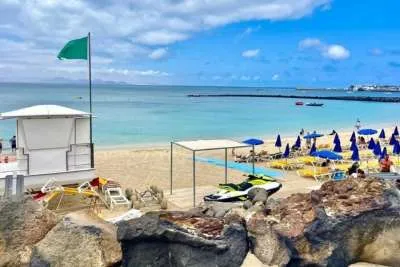
He believes the islands are close to their capacity limits. The key issue, he stressed, is not how many tourists arrive, but how their movements are managed. “We need far more active tourism management, better flow control, more ordered spaces, and measures to prevent visitors from crowding the same locations.”
In the medium to long term, the islands will also need to address climate change and emissions from air travel, which may require stabilising or even reducing tourist numbers. The recent surge has been driven largely by the expansion of holiday rentals, as hotel capacity has barely grown. While there is still scope for more holiday accommodation, Hernández questioned whether that model is desirable given its impact on housing access, inflation, and local planning challenges.
A call for institutional action
Hernández argued that institutions must respond “with data, not slogans”, demonstrating clear progress and measurable goals in tourism sustainability. “If the islands are accused of being a degraded destination, the response should be to show, with verifiable indicators, what has been improved and what actions are underway.”
He advocates for long-term planning and a more environmentally responsible tourism model with higher service quality, stronger revenues, and a more diversified economy. Beyond tourism, he sees opportunities in technology, design, architecture, and health tourism, sectors that add value without expanding accommodation capacity.
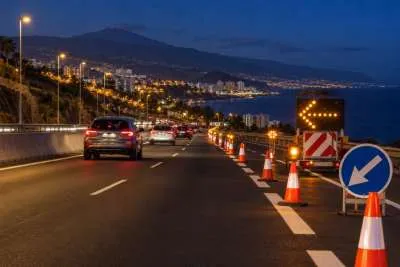
The current model, he warned, has grown too spontaneously, creating issues such as housing shortages, wastewater stress, traffic congestion, and overcrowded natural areas, problems he attributes to poor management rather than tourism itself.
Maintaining high visitor levels will require much more interventionist planning, including restricted access, quotas, timed visits, and specific conditions in sensitive areas, as applied in other countries.
Share: