
Everest Base Camp Trek with Alzmi: Your Ultimate Adventure Guide
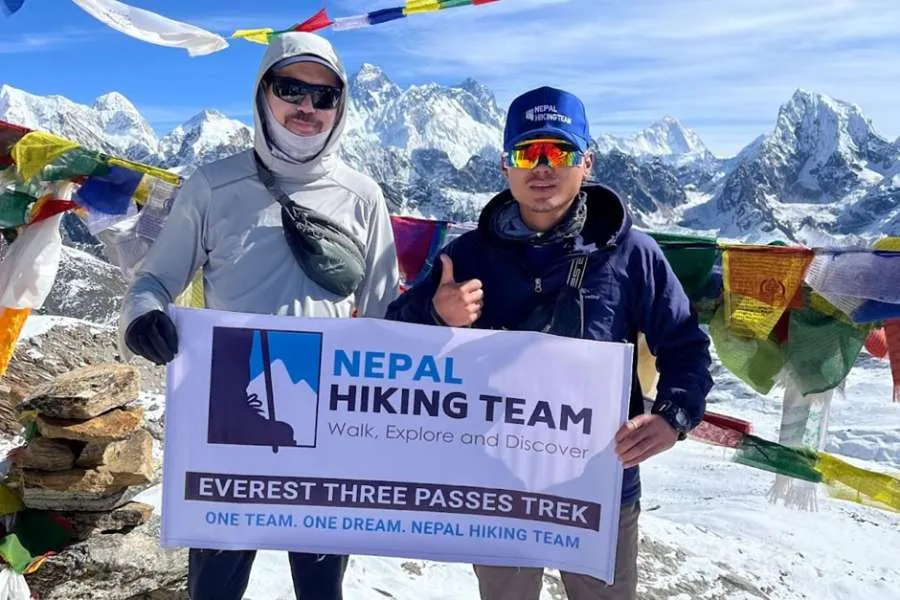
Have you ever fantasised that you were on the summit of the tallest summit of the earth, with snow-white titans all around and a sense of accomplishment that is unmatched? The Everest Base Camp Trek is not merely a walk, but it is a transforming experience in life.
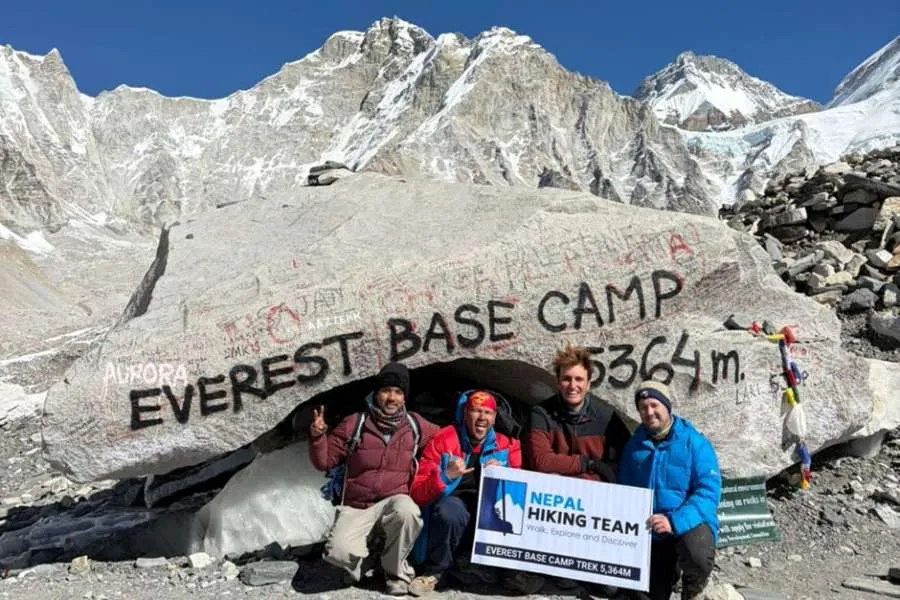
One moment one is in Kathmandu with its colourful anarchy, and the next it is the Khumbu air with its freshness at 5,364 meters. It is planning and willpower, but regardless of being an experienced trekker or a beginner adventurer, this guide will make your Himalayan dream come true.
The Iconic Route: What to Expect Day by Day
It all normally starts with an exciting flight, whereby Kathmandu to Lukla hosts a unique airstrip that is one of the most exciting in the world. Here the actual journey begins, which passes by suspension bridges, rhododendron forests, and traditional Sherpa villages.
The majority of itineraries require a period of 12 to 14 days. The following is a brief overview of the route, commonly followed by experienced operators like Nepal Hiking Team, ensuring proper acclimatisation and smooth logistics throughout the journey:
- Lukla to Phakding: A smooth beginning, down along the Dudh Koshi.
- Namche Bazaar: Sherpa Capital. An uphill struggle but with rewarding sightseeing and a two-night acclimatisation rest.
- Tengboche Monastery is the spiritual centre of the Khumbu with beautiful views of Ama Dablam.
- Dingboche and Lobuche: The altitude is higher, there are fewer trees, and the land is rougher and rockier.
- Gorak Shep / Base Camp: The last climb to Khumbu Glacier and then the sunrise walk to Kala Patthar to get the traditional Everest perspectives.
The charm about this walk is the fact that it has an old path that has been passed by such great legends as Hillary and Tenzing.
How Difficult is the Trek Really?
This is a highly significant question. Is it reserved for elite athletes? Absolutely not. Is it easy? Definitely not. The Everest Base Camp Trek is graded as "moderate to difficult. The Everest Base Camp Trek falls into the moderate-to-difficult category. No technical climbing is required to do it, and no ropes, crampons, or ice axes are needed. It is a leisurely walk, but it is also a long and elevated one.
Here is the reality check:
- Duration: You will walk for 5 to 7 hours a day.
- Landscape: The road is uneven and rocky. It has lots of steep uphill (and knee-clenching downhill).
- The greatest difficulty is the altitude. Base Camp's oxygen levels are approximately 50% of those at sea level.
You can do it in case you can take a full day of hiking with a backpack and have reasonable cardio fitness. The key isn't speed; it's pacing. There is a saying of the Sherpas, "bistari, bistari" (slowly, slowly). This is the key to success.
When is the Best Time to Go?
Everything in the Himalayas is a matter of timing. Go too soon and you may only get a chance to see misty clouds or worse, you will be caught up in a snow squall. The best experience is on two major windows.
Spring (March to May)
This is the season of the year that is most popular.
- Hot weather: It is warm and sunny.
- Blooming woods: The rhododendrons have burst in their blossoms and have made the lower hills red and pink.
- Expedition buzz: It is climbing season. The base camp is crowded with colored tents, with the mountaineers ready to reach the peak of Everest.
Autumn (September to November)
It is the favourite season of numerous photographers.
- The monsoon rain sweeps away the dust, offering the clearest views of the mountain.
- Stable weather: It is normally dry, and it does not rain much.
- Lower temperatures: It is colder than spring, particularly at night, but the visibility cannot be overcome.
During winter (December to February), sightseeing is possible, but it is very cold. Monsoon season (June to August) is hot and wet, and there is no sightseeing. Go on the first trip during the spring or autumn.
Permits and Paperwork
You cannot simply walk into the trail without permission, and Nepal needs permits in terms of safety and conservation. It is not that hard, and you need to possess the right documents.
Two permits are normally required:
- Khumbu Pasang Lhamu Rural Municipal Permit: Approximately NPR 2,000 (= $20 USD), bought in either Lukla or Monjo.
- The fees: Sagarmatha National Park Entry Permit: Approximately NPR 3,000 (approximately $30 USD), which can be bought in Kathmandu or at Monjo.
This area typically does not demand the old TIMS card when you already possess the local permit; however, regulations vary, and so it is always best to check before travelling.
Why You Shouldn't Go It Alone
One can undertake solo trekking, but managing logistics, securing teahouse accommodations, and dealing with altitude hazards can be overwhelming for one person.
- Safety: Guides are able to identify altitude sickness at an early stage.
- Smooth Logistics: There is a delay in Lukla flights most of the time; agencies rebook and get helicopters arranged in a short period of time.
- Cultural Understanding: A local guide adds more to your knowledge about the Sherpa culture.
If you are looking for an enjoyable, comfortable, and unforgettable experience, then you should think about spending your time on the Everest Base Camp Trek, booked through a reliable agency.
Embark on the Journey of Your Dreams
The mountains are calling. The Everest region is a combination of natural beauty and culture that you will not see in any other region. Base Camp is a tough but unforgettable experience. Now it is time to train; prepare your equipment and jump into the sky first.
Share: