
Canary Islands Government let Cuna del Alma build on protected coast ‘to support tourism’
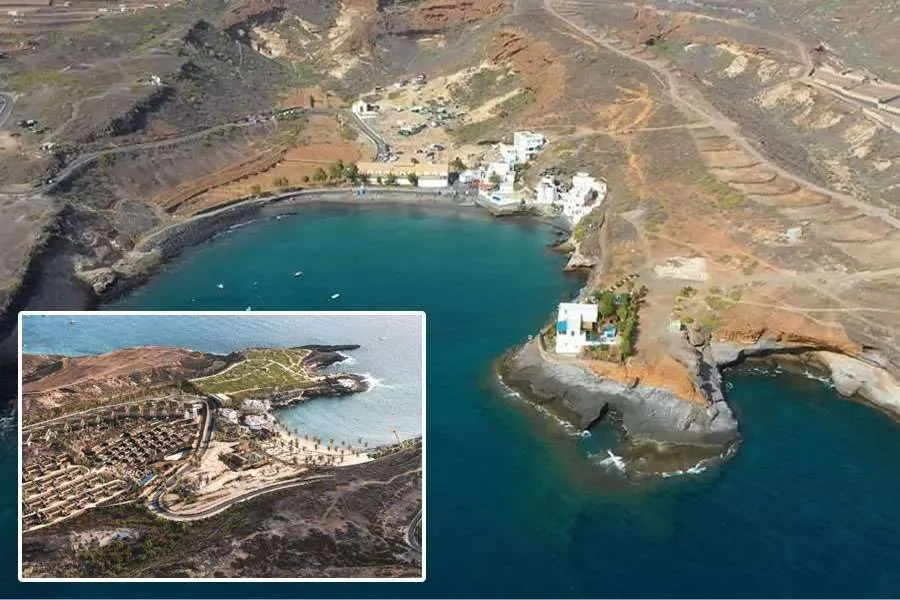
The Canary Islands Government has allowed the luxury Cuna del Alma project in Puertito de Adeje, in the south of Tenerife, to build a swimming pool and restaurant inside a protected coastal zone, arguing that the facilities are a benefit for the region’s tourism industry.
The decision contradicts an earlier internal report from the Directorate for Coasts, which warned that the pool, restaurant and other leisure features planned for the resort did not need to be in the protected strip and could be built elsewhere. That report also said the facilities did not provide any essential service to the public coastal area, where construction is normally very restricted.
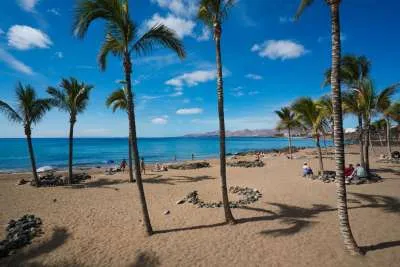
However, after the developer Segunda Casa Adeje SL challenged the findings, the government changed its stance. The company argued that the pool could be classed as an outdoor sports facility and that the small Puertito beach needed more restaurant services in summer. Government officials later agreed, saying that hospitality services are important to the Islands’ tourism economy.
As a result, the regional director for Costas, Antonio Acosta, approved the works on plot T2, a 45,000-square-metre area where nearly 2,400 square metres fall inside the protected coastal zone.
This authorisation was one of the key reasons a court recently closed a criminal case against Cuna del Alma. The judge said the project had the proper paperwork. But the Public Prosecutor has appealed, questioning whether the facilities truly meet the strict legal requirements for building in a protected area. Prosecutors argue it is hard to justify that the pool and restaurant could not be built elsewhere, or that they serve the public coastline.
The prosecutor has asked for the full file from the Coasts department and an independent expert report to assess whether the pool and restaurant meet the legal criteria. Spanish coastal law only allows buildings in the protected strip if they cannot be placed anywhere else or if they provide services necessary for public use of the beach.
The case reflects the wider controversy surrounding Cuna del Alma. When the developer first applied for permission in 2022, regional rules said that if the government did not respond within six months the project would be automatically approved. That deadline passed in May 2023, meaning the company effectively received approval by default.
In 2024 the government changed the rules to prevent this happening again, switching to automatic rejection instead of automatic approval. But the new rule does not apply to older applications like this one.
Technical reports later raised additional concerns, including some retaining walls higher than allowed and a lack of environmental information, an issue also highlighted by the Department of Ecological Transition. Environmental groups say the development is damaging several plots in the area, not just the one under review.
Even so, in early 2025 a senior coastal planning official recommended approving the works, saying beaches should have enough hospitality services for both resort guests and the general public.
The project now has a two-year window to carry out construction, but it remains under legal and environmental scrutiny as prosecutors and environmental groups continue to challenge its impact on the protected coastline.
Share: