
When Is Aluminium Cladding Used in Commercial Construction?
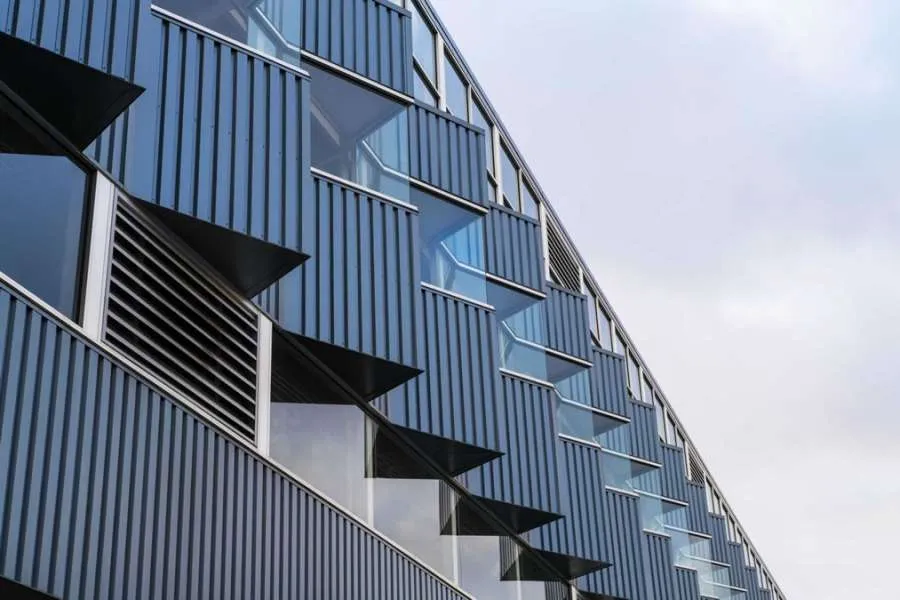
Aluminium cladding has become one of the most popular exterior building solutions in modern commercial construction. Known for its durability, versatility, and contemporary appearance, aluminium cladding is widely used across a range of commercial projects, from office developments and retail parks to educational facilities and healthcare buildings.
As businesses and developers increasingly seek building materials that offer long-term performance alongside attractive aesthetics, aluminium cladding continues to play a vital role in the construction industry.
Its ability to enhance a building's appearance while providing protection from the elements has made it clear to Vulcan Cladding Systems, it’s a preferred choice for architects, contractors, and property owners alike.
However, many people unfamiliar with commercial construction often wonder when aluminium cladding is used and why it has become such a prominent feature of modern buildings. Understanding the applications and benefits of aluminium cladding can help developers and property managers make informed decisions when planning new projects or refurbishments.
In this article, we explore when aluminium cladding is used in commercial construction, the advantages it offers, and why it remains one of the most sought-after façade solutions in the industry.
What Is Aluminium Cladding?
Aluminium cladding is an external covering system that is installed over a building's structural framework. It acts as a protective outer layer, helping to shield the building from weather conditions while contributing to its overall appearance.
Typically manufactured from aluminium panels, sheets, or composite systems, cladding can be designed in a wide range of colours, finishes, textures, and profiles. This flexibility allows architects to create distinctive building façades that align with modern design trends and brand identities.
In commercial construction, aluminium cladding is often used as part of a rainscreen cladding system, where it forms the outer protective layer while allowing ventilation behind the façade. This design helps manage moisture and improves the overall performance of the building envelope.
Aluminium Cladding in New Commercial Developments
One of the most common uses of aluminium cladding is in new-build commercial developments.
Modern office buildings, business parks, retail centres, and mixed-use developments frequently incorporate aluminium cladding into their architectural designs. Developers often choose aluminium because it offers a sleek, contemporary appearance that appeals to tenants, customers, and investors.
Commercial properties increasingly compete on both functionality and visual appeal. A professionally designed aluminium-clad façade can help create a strong first impression while supporting a building's long-term value.
Because aluminium is lightweight compared to many alternative materials, it can also simplify installation and reduce structural loading requirements during construction.
Office Buildings and Corporate Headquarters
Office buildings are among the most visible examples of aluminium cladding in commercial construction.
Many modern corporate headquarters use aluminium cladding to create clean lines, striking façades, and professional architectural aesthetics. The material allows designers to achieve sophisticated appearances while maintaining practical performance requirements.
Businesses often want their premises to reflect innovation, quality, and professionalism. Aluminium cladding helps support these objectives by providing a modern exterior that complements contemporary architectural styles.
In addition to visual benefits, aluminium cladding can contribute to improved building performance when integrated into energy-efficient façade systems.
Retail and Shopping Developments
Retail environments place significant importance on appearance and customer perception.
Shopping centres, retail parks, supermarkets, and high-street developments frequently use aluminium cladding to create visually appealing exteriors that attract visitors and reinforce brand identities.
Large aluminium panels can be used to create seamless façades, while custom finishes and colours allow developers to achieve unique architectural designs.
The material's durability is particularly valuable in high-traffic commercial areas where buildings are exposed to constant environmental conditions and public visibility.
Because aluminium requires relatively low maintenance, property owners can preserve the appearance of retail buildings without incurring excessive long-term upkeep costs.
Educational Facilities and Public Buildings
Schools, colleges, universities, and public sector buildings often incorporate aluminium cladding into new construction projects and refurbishment programmes.
These facilities require building materials that offer longevity, weather resistance, and low maintenance demands. Aluminium satisfies these requirements while providing architects with considerable design flexibility.
Educational institutions increasingly favour contemporary architectural designs that create welcoming and inspiring environments for students and staff. Aluminium cladding allows designers to achieve these visual goals while maintaining practical performance standards.
Public buildings also benefit from aluminium's resistance to corrosion, making it suitable for long-term use in various environmental conditions.
Healthcare and Medical Facilities
Healthcare facilities require building materials that are durable, reliable, and capable of supporting modern architectural standards.
Hospitals, medical centres, and healthcare campuses frequently use aluminium cladding to achieve clean, professional exteriors. The material's adaptability allows it to be incorporated into both new construction projects and refurbishment schemes.
As healthcare providers continue to invest in modern facilities, aluminium cladding remains a popular solution for creating buildings that appear contemporary, welcoming, and fit for purpose.
The material's long lifespan can also help reduce future maintenance requirements, supporting efficient facility management over time.
Refurbishment and Building Modernisation Projects
Aluminium cladding is not limited to new-build developments. It is also widely used during refurbishment and building modernisation projects.
Many older commercial buildings require external upgrades to improve appearance, performance, and marketability. Aluminium cladding provides an effective solution for transforming outdated façades without requiring complete reconstruction.
A well-executed cladding installation can dramatically alter the appearance of an ageing commercial property, helping it compete with newer developments in the marketplace.
Property owners often view aluminium cladding as a cost-effective way to extend a building's lifespan while enhancing its visual appeal and functionality.
Rainscreen Cladding Applications
Rainscreen systems represent one of the most important applications of aluminium cladding in commercial construction.
A rainscreen façade creates a ventilated cavity between the external cladding and the building's internal structure. This design helps manage moisture, reduce water penetration risks, and improve overall building performance.
Aluminium is particularly well-suited to rainscreen systems due to its lightweight nature, durability, and adaptability.
As building regulations and performance expectations continue to evolve, rainscreen cladding systems have become increasingly common in commercial developments across the UK.
Architects and contractors frequently specify aluminium panels because they can be integrated effectively into high-performance façade designs.
Sustainable Construction Projects
In the modern era, sustainability has become a major consideration within the construction industry.
Developers, investors, and building owners are increasingly seeking environmentally responsible materials that contribute to sustainable construction practices.
Aluminium offers several sustainability advantages. It is highly recyclable and can often be reused without losing its core properties. Many aluminium products used in construction contain recycled content, helping reduce environmental impact.
Additionally, aluminium cladding can support energy-efficient building designs when incorporated into modern façade systems.
As sustainability targets continue to influence commercial development, aluminium cladding is likely to remain an important component of environmentally conscious construction projects.
Architectural Design Flexibility
One reason aluminium cladding is so widely used in commercial construction is its exceptional design flexibility.
Architects can specify a vast range of finishes, colours, shapes, and installation methods to achieve unique visual effects. Whether the goal is a minimalist contemporary façade or a bold statement design, aluminium can be adapted to suit virtually any architectural vision.
This flexibility allows developers to create distinctive commercial properties that stand out within competitive markets.
The ability to combine performance with aesthetics is a key factor behind aluminium cladding's continued popularity.
Long-Term Performance and Durability
Commercial buildings represent significant investments, making long-term durability a major consideration during material selection.
Aluminium cladding performs exceptionally well in a variety of weather conditions and is resistant to corrosion, rust, and many forms of environmental degradation.
Its durability helps minimise maintenance requirements and contributes to lower lifecycle costs compared to some alternative materials.
For property owners focused on long-term value, aluminium cladding offers a practical solution that combines visual appeal with reliable performance.
This balance of aesthetics and durability continues to drive demand across commercial construction sectors.
The Future of Aluminium Cladding in Commercial Construction
As architectural trends evolve and sustainability becomes increasingly important, aluminium cladding is expected to remain a leading choice within commercial construction.
Advancements in manufacturing technologies continue to expand design possibilities while improving product performance. At the same time, developers are placing greater emphasis on energy efficiency, longevity, and environmental responsibility.
These factors align closely with the strengths of modern aluminium cladding systems.
As a result, aluminium is likely to remain a key material in the design and construction of commercial buildings for many years to come.
Conclusion
Aluminium cladding is used extensively throughout commercial construction because it offers an effective combination of durability, aesthetics, flexibility, and long-term performance. From office buildings and retail developments to healthcare facilities and educational institutions, aluminium cladding helps create modern, attractive, and resilient building exteriors.
Its role extends beyond appearance alone. Aluminium cladding contributes to weather protection, building performance, sustainability objectives, and property value enhancement. Whether incorporated into new-build developments or refurbishment projects, it remains one of the most versatile façade solutions available.
As commercial construction continues to grow, prioritising innovation, sustainability, and architectural excellence, aluminium cladding will undoubtedly remain a preferred choice for developers, architects, and building owners seeking reliable and visually impressive exterior systems.
Share: