
Therian trend of people identifying as animals reaches the Canary Islands
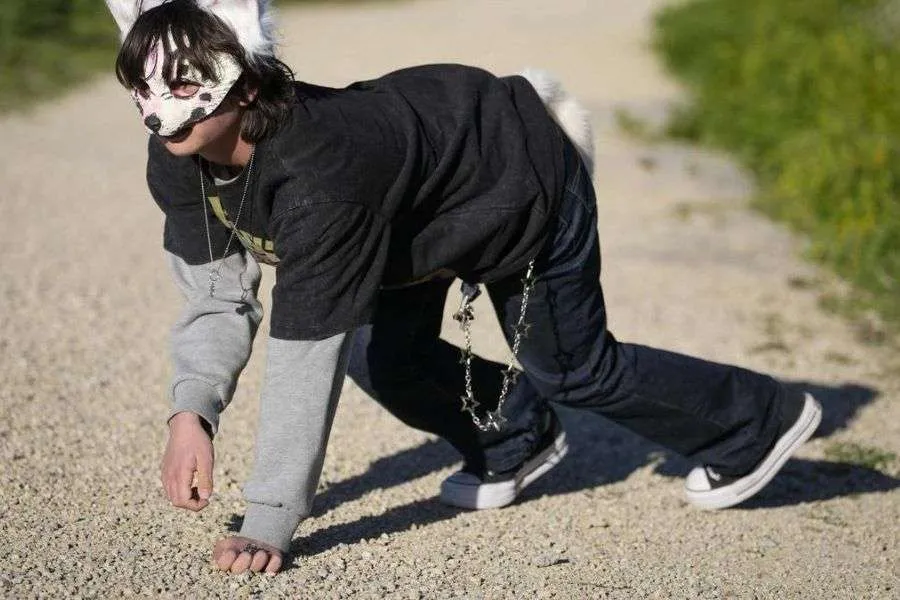
A growing online trend has reached the Canary Islands, where some young people say they identify spiritually, psychologically, or emotionally with animals. Known as therians, they share their experiences on platforms like TikTok and Instagram, where the movement has become a major talking point.
One of the islanders involved is Leaf, a 20-year-old transgender man from Tenerife who runs the local therian group, made up of around 30 members. He explains that a therian is someone who “identifies partly or fully with one or more animals,” usually in a way that feels natural rather than chosen.
A trend driven by social media
Although it may seem like a new idea, the therian movement began in the 1990s on an online forum in the United States where horror-film fans debated werewolves and transformation myths. Over time, the conversations shifted towards people who genuinely related to certain animals, forming the first therian community.
Today, the topic has exploded on social media. There are educational videos, jokes, and, unfortunately, a growing amount of online harassment targeting young people who identify this way.
“I finally felt understood”
Leaf first discovered the movement four years ago after a friend introduced him to it. He describes it as a moment of clarity:
“I’d spent years trying to understand why I felt different. Suddenly, everything clicked.”
He considers himself a polytherian, meaning he relates to several animals, in his case, a cat, a seal, an owl and a golden retriever. Some identities feel connected to a “past life,” while others are linked to strong childhood influences.
Leaf says people usually fall into one of two categories:
- Spiritual therians, who feel they were an animal in a past life.
- Psychological therians, whose identity developed through emotional bonds or experiences growing up.
As he became more involved, Leaf says he noticed small changes in his behaviour and senses, such as acting out hunting movements, feeling more alert to smells, or experiencing “phantom limbs” like wings or a tail.
Despite these experiences, he says that his life is otherwise normal. He studies, works, and creates drawings and masks for others in the community.
Misunderstood and often criticised
Leaf is clear that being a therian is not a mental health disorder, something he feels is widely misunderstood online. He also distances the movement from “clinical lycanthropy,” a genuine psychiatric condition in which someone believes they are physically transforming into an animal.
While his friends and family have been supportive, he says the reaction from the wider public has become increasingly hostile as the topic trends online.
Meet-ups across Spain end in chaos
Recent therian meet-ups across Spain attracted huge crowds, but mostly of onlookers, not participants.
- In Barcelona, more than 3,000 people gathered at the Arc de Triomf, with barely a dozen therians present. Objects were thrown, tensions rose, and police made five arrests.
- In Málaga, a teenager in a horse mask was surrounded, shouted at, recorded on phones and shaken by members of the crowd. He eventually removed the mask and fled. One arrest followed.
- In Madrid, young people crawling on all fours were encircled by large crowds, with one person in a bull costume even being “mock-toreado” as spectators laughed.
Other events, such as one planned in Córdoba, were cancelled over fears of similar aggression.
Leaf says the community simply wants space to express itself safely and without ridicule, something that has become increasingly difficult as the trend gains more attention.
Share: