

Tax Break Plan could exempt thousands of Canary Islands self-employed from paying IGIC
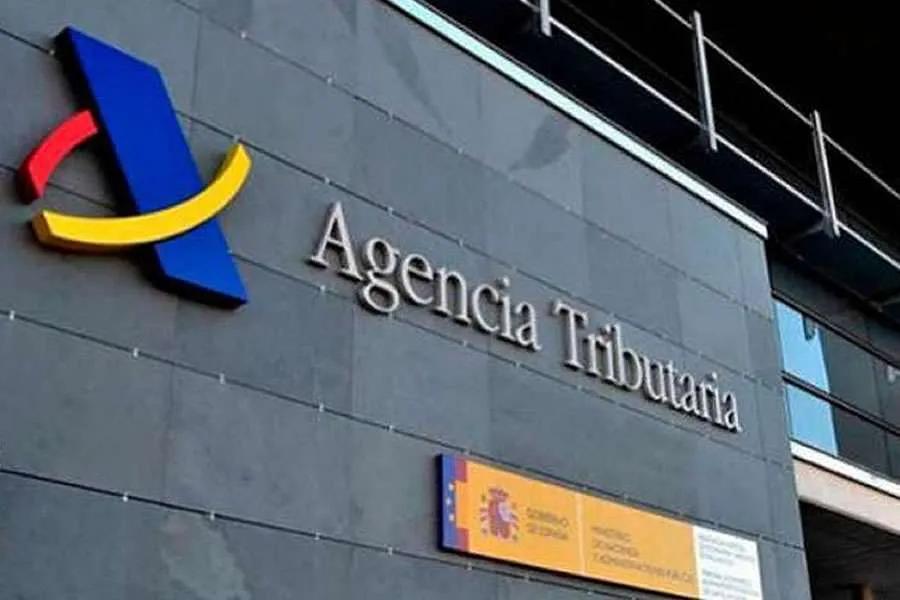
The Canary Islands Government has unveiled a new tax proposal that could exempt thousands of self-employed workers from paying IGIC, in a move aimed at easing financial pressure and cutting red tape.
Vice President and Regional Economy Minister Manuel Domínguez announced the initiative this week, confirming it would apply to freelancers and small business owners with an annual turnover of up to €50,000.
The measure forms part of the Special Regime for Small Businesses and Professionals (REPEP) and is expected to directly benefit around 11,000 self-employed people across the islands.
Its main objective is to reduce both administrative and tax burdens at a time when many are facing rising costs and inflation.
How the Scheme Would Work
Under the proposed system, those who opt in would no longer need to charge IGIC (the Canary Islands’ equivalent of VAT) on their invoices. However, in exchange, they would not be able to reclaim IGIC paid on purchases and expenses.
The scheme would be voluntary, allowing individuals to decide whether it suits their business model.
One of the key advantages of the proposal is a significant reduction in paperwork. Currently, self-employed workers must submit quarterly IGIC returns, four per year, along with an annual summary. Under the new system, this would be replaced by a single annual declaration.
The government says this change would reduce administrative errors and simplify dealings with the Canary Islands Tax Agency.
Timeline for Implementation
The regional government plans to introduce the new €50,000 threshold from 1st July 2026.
From 1st January 2027, those enrolled in the scheme would move fully to the simplified system, submitting just one annual IGIC return.
If approved, the Canary Islands would become the only Spanish region to apply this type of tax exemption in line with EU rules.
The proposed threshold also exceeds the European average, which is typically around €40,000.
Domínguez described the measure as a step forward in “tax fairness” and highlighted that it complements other support schemes for the self-employed, including financial aid, loan interest subsidies and work-life balance support.
The proposal must now be approved by the Canary Islands Parliament. The regional government is aiming for unanimous backing and is considering introducing it via decree law to speed up the process.
Share: