
Looking at the difference of travel costs between Malta and the Canary Islands
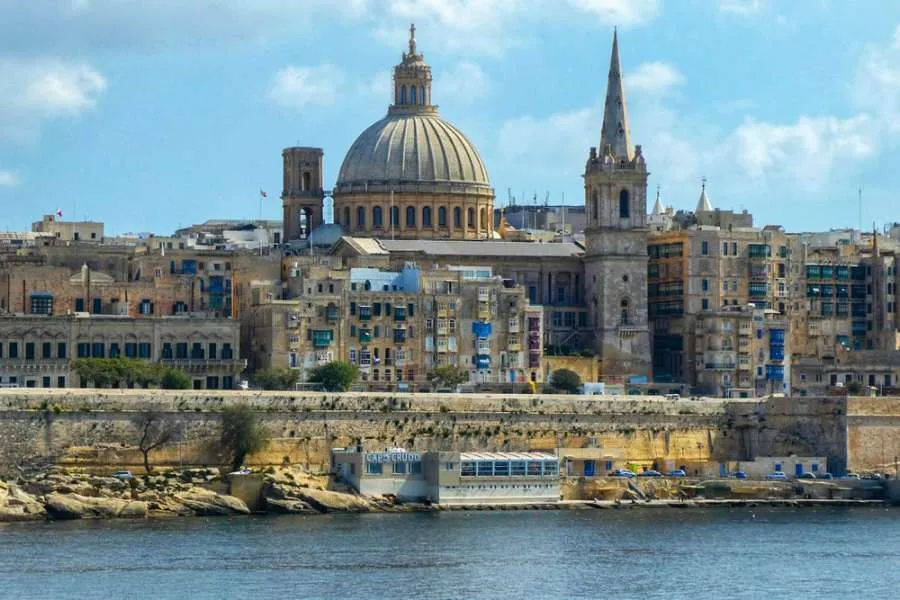
Comparing Malta and the Canary Islands makes sense on paper. Both offer sunshine, sea, and year-round travel appeal, but in reality, they behave very differently when it comes to costs—and not in the obvious ways most price-comparison articles suggest.
The real differences only appear once you break down travel spending into how money gets spent, not just how much.
Flights: why distance doesn’t always mean higher prices
At first glance, Malta should be cheaper to reach. It sits closer to mainland Europe and benefits from short-haul routes. In practice, flight pricing depends more on volume than distance.
Malta relies heavily on point-to-point routes. That means fares rise quickly during peak months and around events. You’ll often see sharp price jumps around summer festivals, long weekends, and school holidays. Cheap fares exist, but they’re volatile.
The Canary Islands, by contrast, operate on scale. Charter flights, tour operator allocations, and consistent demand flatten prices. A flight to Tenerife or Gran Canaria can cost less than a shorter trip to Malta simply because planes are filled year-round.
Practical insight:
- Short, spontaneous trips favour Malta only if you’re flexible on dates
- Planned week-long holidays often favour the Canaries, even with longer flight times
Accommodation: scarcity versus surplus
Accommodation is where the two destinations truly diverge. Malta’s size creates scarcity. Popular towns fill quickly, and prices respond fast to demand. Even mid-range hotels can spike during peak periods because there’s limited land and limited room inventory.
The Canary Islands operate on abundance. Multiple islands, resort zones, and large-scale developments create competition. That competition stabilises pricing across seasons.
A detail often missed: length of stay matters more than star rating in the Canaries. Seven nights often cost disproportionately less than three. In Malta, nightly rates remain high regardless of stay length.
Gozo as a cost wildcard
Malta’s sister island, Gozo, quietly changes the equation. Self-contained properties, slower tourism turnover, and fewer chain hotels keep prices grounded. Self-catering accommodation in Gozo often costs less per night than comparable stays on Malta’s main island, especially outside July and August. For travellers who don’t need nightlife on the doorstep, this is one of Malta’s strongest value plays.
Food costs: small habits, big differences
Food spending remains reasonable. Full sit-down dinners are climbing quickly, particularly in coastal areas.
The Canary Islands benefit from local supply chains. Produce, fish, and staples are locally sourced, keeping menus simpler and cheaper. Tourist restaurants can still overcharge, but baseline pricing is lower.
Where these matter:
- Solo travellers and light eaters often find Malta cheaper
- Families and groups eating full meals daily usually spend less in the Canaries
This is one of those differences you feel daily, not just once.
Transport: convenience costs money differently
Malta’s compact geography suggests low transport costs. The reality is mixed. Public buses are affordable but time-consuming. Car hire is relatively cheap, but parking and traffic introduce friction. You spend less money, but more time.
The Canary Islands require distance coverage. Car hire is common, fuel costs are reasonable, and roads are efficient. You spend more upfront, but logistics are smoother.
Counter-intuitive takeaway:
Malta is cheaper to move around, but the Canary Islands are easier to move through. That distinction affects how many activities you realistically fit into each day—and how much value you extract from your budget.
Activities: paid history versus free nature
Spending patterns shift depending on what you do, not where you stay. Malta monetises history. Museums, heritage sites, guided tours, and entry fees add up. None are wildly expensive, but frequent small charges accumulate.
The Canary Islands monetise convenience, not access. Beaches, hiking trails, volcanic landscapes, and viewpoints are free. You pay for equipment, transport, or comfort—not entry.
Hidden difference:
- Malta charges more per experience.
- The Canaries charge more around the experience.
This matters for travellers who enjoy slow days versus structured sightseeing.
Seasonality: sharp peaks versus steady plateaus
Seasonality affects both destinations, but not equally. Malta experiences sharp pricing peaks. Summer sees accommodation and flights surge together. Winter brings genuine bargains but reduced flight availability.
The Canary Islands maintain flatter pricing curves. Seasonal variation exists, but winter tourism demand prevents prices from collapsing or spiking dramatically.
Strategic insight:
- Malta rewards flexible travellers who can move off-peak
- The Canaries reward planners who lock in value early
If you travel with fixed dates, the Canary Islands are easier to budget for.

Daily spending patterns: what a “normal day” costs
Rather than listing numbers, it’s more useful to look at where money goes. In Malta, daily spending concentrates on meals and attractions. Transport and accommodation are secondary once booked.
In the Canary Islands, accommodation dominates the daily cost. Food and activities remain predictable.
That difference explains why Malta can feel expensive despite cheaper flights—and why the Canaries can feel affordable despite higher upfront costs.
Who each destination suits financially
Cost efficiency depends on travel style.
Malta works better for:
- Short breaks
- Culture-heavy itineraries
- Travellers comfortable walking or using buses
The Canary Islands work better for:
- Longer stays
- Families or groups
- Relaxation-first trips with minimal planning
Neither is “cheaper” in isolation. Each rewards a different spending behaviour.
Cost traps travellers rarely anticipate
Some expenses catch visitors off guard.
In Malta:
- Event-driven accommodation spikes
- Limited last-minute availability
- Dining price inflation in small coastal hubs
In the Canary Islands:
- Inter-island flights add up
- Resort zones inflate drink prices
- Excursions sold on convenience, not value
Recognising these patterns prevents budget creep more effectively than chasing deals.
Where prices are likely heading next
Tourism pressure is reshaping both destinations.
Malta’s limited space suggests greater volatility ahead—bigger swings between low and high seasons. The Canary Islands’ scale suggests steadier averages but slower declines in peak pricing.
Remote work, longer stays, and shoulder-season travel favour the Canary Islands structurally. Malta, meanwhile, remains best suited to intentional, shorter visits where time efficiency outweighs nightly savings.
If there’s one honest takeaway, it’s this: Malta feels cheaper when you travel lightly and deliberately. The Canary Islands feel cheaper when you travel longer and more slowly. Understanding that difference matters more than comparing headline prices is where most travel budgets quietly succeed or fail.
Share: