
Critically endangered Turtle found dead on Tenerife beach
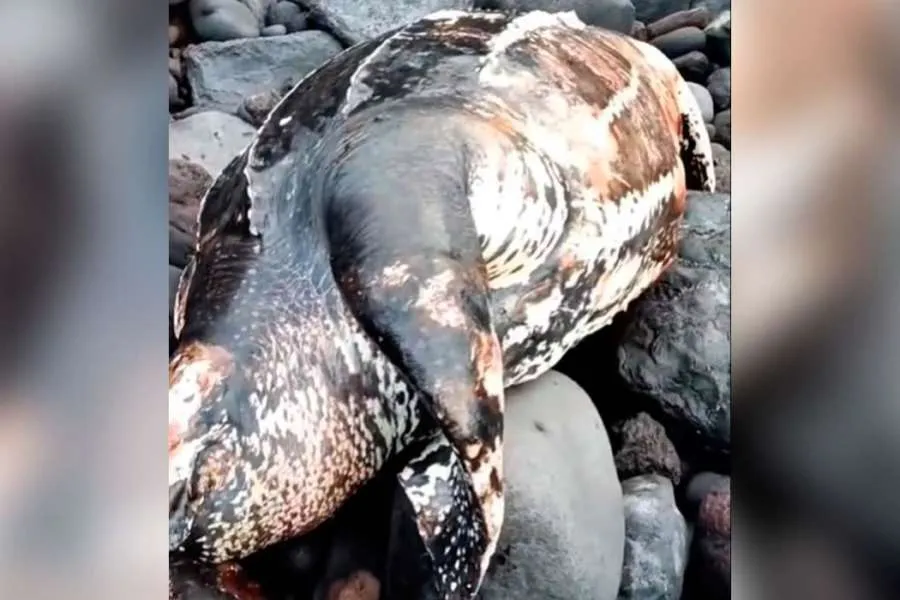
Two young environmental campaigners from Tenerife have shared a distressing discovery after finding a dead leatherback turtle on a beach in the north of the island. Asier Linares and Álvaro Rodríguez, both aged 12 and well known locally for highlighting rubbish pollution along Tenerife’s coastline, reported the find after coming across the animal on Playa del Guincho in Garachico.
The boys shared the news in a video posted on social media, where they explained they were “quite shocked” by what they had seen. The turtle, a very large specimen, had washed up on the shore and was later removed by staff from the La Tahonilla Wildlife Recovery Centre after the official emergency protocol was activated.
In the video, Asier and Álvaro stress the importance of the discovery, explaining that the leatherback turtle is a protected species and is rarely seen along this coastline. “This species is critically endangered and it is not common to find it in Canarian waters,” they said.
Despite the emotional impact of the situation, the boys say they acted responsibly by alerting the authorities immediately. “Even though we were quite affected by it, we did the right thing,” they explained.
According to their observations, the turtle showed no obvious external signs of being struck by a boat. “There were no visible signs of a collision,” they said, adding that the exact cause of death will only be confirmed once a necropsy has been carried out.
A critically endangered species
The leatherback turtle (Dermochelys coriacea) is the largest sea turtle species and is recognised internationally as a species of conservation concern. Its global IUCN status is listed as Vulnerable, while several regional subpopulations are assessed as Endangered or Critically Endangered, reflecting very serious pressures in parts of its range.
Marine specialists often highlight threats that include plastic pollution, accidental capture in fishing gear, boat strikes, and habitat degradation. Because leatherbacks feed mainly on jellyfish, floating plastics can be mistaken for food, increasing the risk of injury or death.
Leatherbacks are not commonly seen close to the Canary Islands coastline, so strandings draw particular attention from wildlife teams and conservation groups.
What to do if you find a stranded or dead turtle
If you come across a sea turtle, alive or dead, local guidance is clear:
- Do not touch or attempt to move the animal.
- Keep a safe distance and discourage others from approaching.
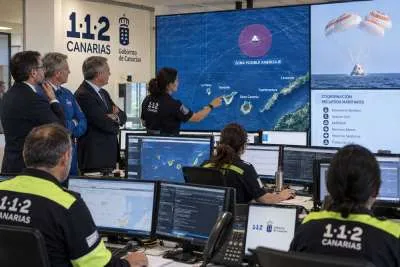
- Call 112 to report the location and situation so the official response can be coordinated.
- Be ready to provide details; responders may ask for a photo to help identify the animal quickly.
The Cabildo’s wildlife recovery centre information for Tenerife also directs the public to 112 for emergencies.
Coastal litter remains a major concern
Asier and Álvaro have gained attention in recent months by documenting pollution hotspots, especially wet wipes and other sanitary waste, in coastal areas and ravines.
In previous videos, they warned that the amount of rubbish they are seeing is increasing, and linked part of the problem to misuse of toilets and drainage systems, which can push waste into the sea and onto shorelines.
For residents and visitors alike, the takeaway is straightforward: what goes down the drain can end up in the ocean, and what ends up in the ocean can impact wildlife, sometimes in dramatic and distressing ways.
Share: