
Canary Islands leaders call for faster action to tackle Housing Crisis

A complex mix of regional and national laws, the urgent need for more available land, and the challenge of balancing legal certainty, housing access, and economic development dominated debate at the roundtable “A new regulatory framework for access to housing”, held during the 1st Canary Islands Housing Congress.
Participants included the mayors of Agüimes and Ingenio, Óscar Hernández Suárez and Vanesa Martín Herrera; Madrid’s Housing Councillor, Álvaro González López; lawyer Francisco Fernández Romero; and Francisco Villar Rojas, who has led key housing policy reforms for the Canary Islands Government.
All agreed that legislation is evolving quickly, but public administrations must adapt to ensure that opportunities are not blocked by bureaucracy, staffing shortages, or outdated procedures.
Unlocking land for new homes
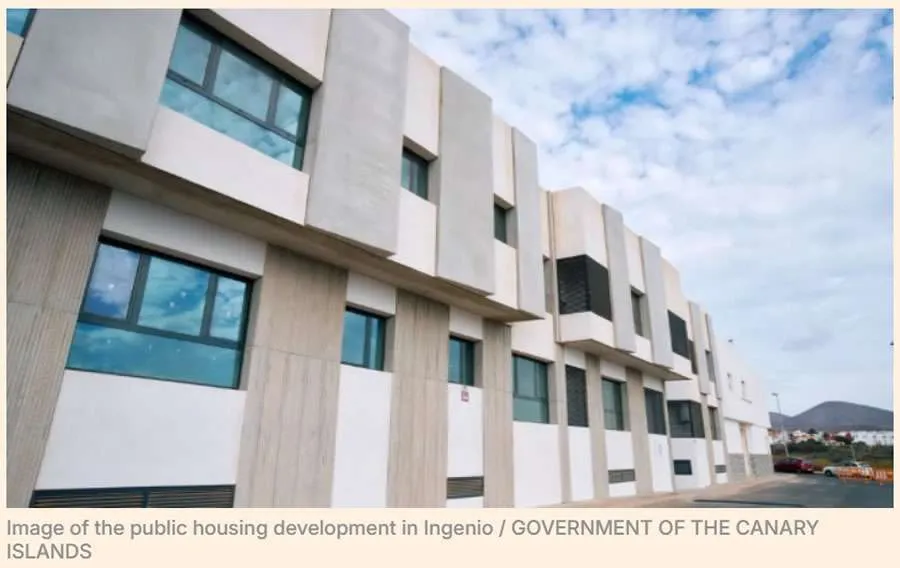
Both Agüimes and Ingenio highlighted how local councils are constrained, yet the updated regulatory framework has enabled stalled projects to move forward, particularly regarding land acquisition. Ingenio is set to deliver 100 homes this year, with land already prepared for another 105.
Legal expert Villar credited much of this progress to Decree 3/2025, designed to unlock unused land, unfinished developments, and areas under high housing pressure. However, he warned that lengthy administrative delays still clash with the urgency of the housing shortage: “The law allows three months for processing, but cases can take up to four years,” he said.
The speakers called for simplified procedures and stronger cooperation between administrations so that public and affordable housing can increase at the speed the population requires.
Holiday rentals and the need for balance
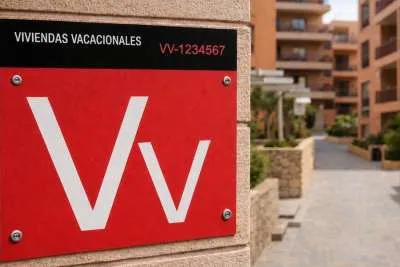
Following the recent approval of a new Canary Islands holiday rental law, the roundtable stressed the need for balance, especially between small local owners and large-scale operators. Villar added that authorities must distinguish clearly between residential use and commercial exploitation, noting that shutting down holiday lets does not automatically mean more long-term housing for locals.
Tackling squatting and boosting supply
Squatting, including cases where tenants refuse to leave at the end of a lease, was described as a consequence of lack of legal protection and a limited rental market. Speakers called for case-by-case resolution, protecting both vulnerable families and property owners.
Villar stressed that increasing supply is essential: “If more housing were available, many problems would disappear. But the sector needs legal certainty to recover.”
Should foreign purchases be restricted?
With rising property prices and strong international demand, limiting foreign home purchases is becoming a heated issue in several Canary Islands municipalities. Martín expressed concern that locals are being priced out: “Canarians must come first. It can’t be that others buy homes easily while our people cannot.”
However, experts acknowledged that EU and Spanish law currently offer few legal mechanisms for such restrictions, with exceptions only in places like Malta or cases where local residence rules apply, such as in Agüimes.
Learning from Madrid
Madrid, which faces similar housing challenges, was highlighted as an example. The capital is pushing for faster planning, modernised regulations, and more flexible housing models such as coliving and cohousing. One notable initiative, the Reviva Plan, restores empty homes in exchange for managing them as affordable rentals, covering fees and taxes.
González summed it up clearly: “Without land, there’s no housing, and to acquire land, we must streamline processes.”
A window of opportunity — if action keeps pace
The debate closed with a shared conclusion: reforms are creating new opportunities, but public bodies must respond much faster to match the scale of the housing emergency.
Reducing paperwork delays, restoring unused buildings and land, boosting public-private cooperation, and improving legal certainty are seen as crucial steps to expand the Canary Islands' housing supply in the coming years.
Share: