
Are there Canaries in the Canary Islands? Exploring the Archipelago's most remarkable natural wonders
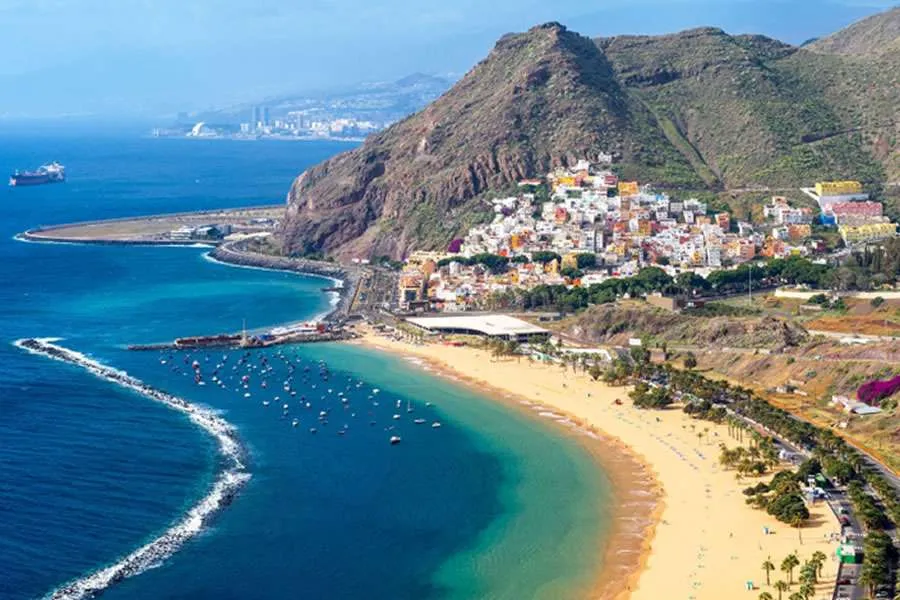
When people first hear the name "Canary Islands," one question often comes to mind: Are there actually canaries in the Canary Islands? Surprisingly, the answer is not as straightforward as many expect.
While the islands are indeed home to several species of wild birds, the famous canary bird was actually named after the islands rather than the other way around. The archipelago itself derives its name from the Latin phrase "Insula Canaria," meaning "Island of Dogs."
History is strange that way. Humans spend centuries naming places, animals, and things after one another until nobody remembers which came first.
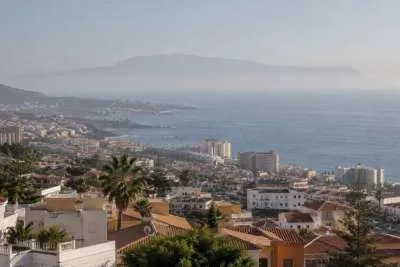
Yet beyond this curious naming mystery lies something even more fascinating. Located off the northwestern coast of Africa, the Canary Islands are one of Europe's most extraordinary natural destinations.
Formed by volcanic activity over millions of years, these Spanish islands are home to unique ecosystems, rare wildlife, ancient forests, and dramatic geological formations found nowhere else on Earth.
A Volcanic Paradise in the Atlantic
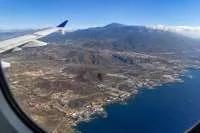
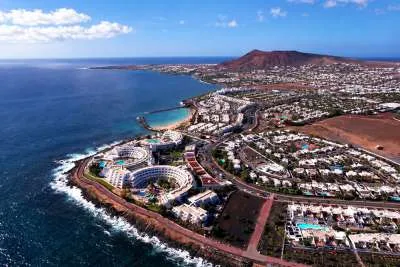
The Canary Islands consist of eight main islands, including Tenerife, Gran Canaria, Lanzarote, Fuerteventura, La Palma, La Gomera, El Hierro, and La Graciosa.
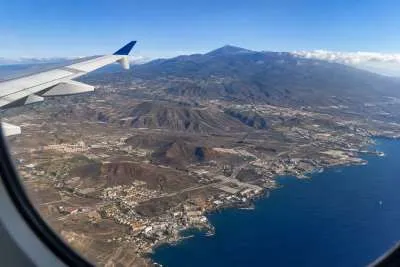
What makes the archipelago particularly remarkable is its volcanic origin. Beneath the surface lies a hotspot that has shaped the islands through countless eruptions over millions of years. This geological history has created landscapes that often resemble scenes from another planet.
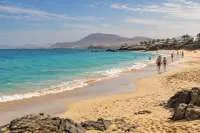
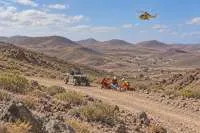
Visitors can explore vast lava fields, towering cliffs, volcanic craters, and rugged coastlines carved by the Atlantic Ocean. Every island possesses its own distinct personality, making the region a natural showcase of Earth's geological forces.
Teide National Park: Home to Spain's Highest Peak
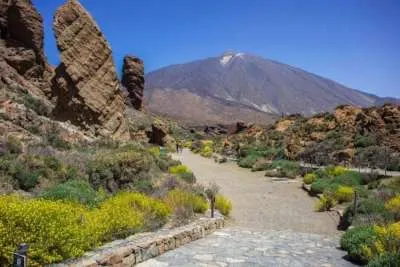
One of the Canary Islands' most iconic natural landmarks is Mount Teide on Tenerife.
Standing at 3,715 meters above sea level, Mount Teide is the highest mountain in Spain and one of the tallest volcanoes in the world when measured from its ocean floor base. The surrounding Teide National Park features a dramatic landscape of volcanic cones, lava rivers, and colourful rock formations.
The terrain is so unique that scientists have used parts of the park to study environments similar to those found on Mars. Walking through the area feels like stepping into a science fiction film, except the scenery was created by nature rather than a special effects department.
The park's high altitude also provides excellent conditions for stargazing. Thanks to minimal light pollution and clear skies, Tenerife is considered one of the best places in the world for astronomical observation.
The Ancient Laurel Forests of La Gomera
Not all of the Canary Islands' wonders are fiery and volcanic. On the island of La Gomera, visitors can discover the enchanting forests of Garajonay National Park. This UNESCO World Heritage Site preserves one of the world's finest examples of laurel forest, an ecosystem that once covered much of Southern Europe millions of years ago.
Mist frequently drifts through the trees, creating an almost magical atmosphere. Moss-covered branches, dense vegetation, and winding trails transport visitors into a prehistoric landscape that has survived largely unchanged for thousands of years.
These forests act as living fossils, offering scientists valuable insights into ancient climates and ecosystems that disappeared elsewhere long ago.
Rare Plants Found Nowhere Else
The Canary Islands are often described as a biodiversity hotspot. Due to their isolation in the Atlantic Ocean, many plant species evolved independently, resulting in a remarkable level of endemism. In fact, hundreds of plant species found across the islands exist nowhere else on Earth.
One of the most famous examples is the Canary Islands dragon tree (Dracaena draco). With its umbrella-shaped canopy and thick trunk, this unusual tree appears almost mythical. Its distinctive red sap, often called "dragon's blood," has been used throughout history for dyes, medicine, and traditional crafts.
Other unique plants include giant echiums, colourful Canary Island daisies, and rare succulents adapted to survive in volcanic environments.
The diversity of landscapes, from coastal deserts to mountain forests, allows an astonishing variety of plant life to flourish within a relatively small geographic area.
Wildlife Beyond the Famous Canary Bird
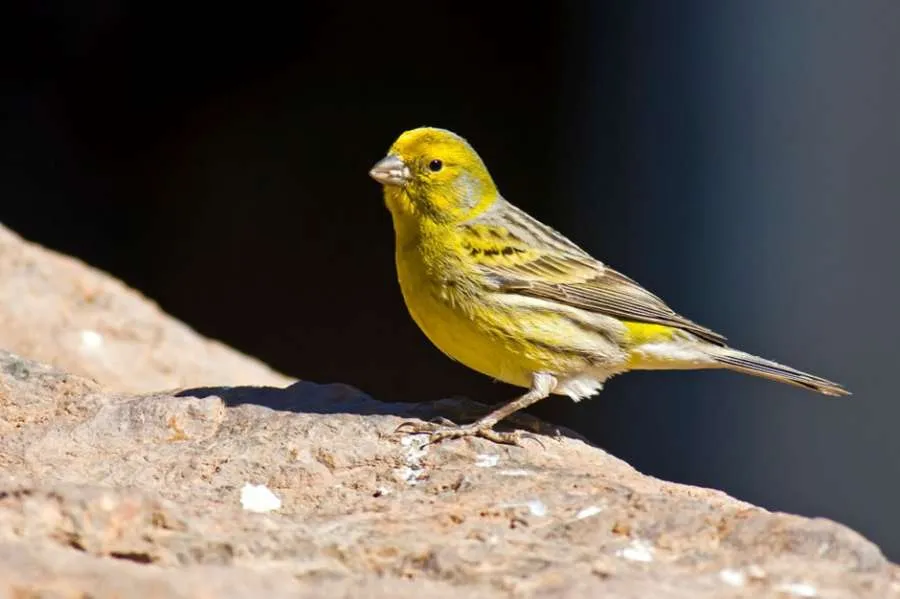
So, are there canaries in the Canary Islands? Yes, there are, in fact, the Atlantic Canary is native to the archipelago, mainly in Tenerife and Gran Canaria, and is one of its natural symbols.
Although the islands are associated with canaries, their wildlife extends far beyond this beloved songbird.
Several bird species are endemic to the archipelago, including the blue chaffinch, which is found primarily in Tenerife and Gran Canaria. Birdwatchers from around the world visit the islands to observe these rare species in their natural habitats.
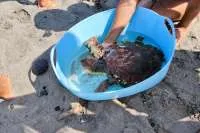
Marine life is equally impressive. The waters surrounding the Canary Islands host dolphins, pilot whales, sea turtles, and numerous fish species all year round.
Unlike many whale-watching destinations that experience only seasonal migrations, the Canary Islands offer opportunities to see cetaceans year-round. More than 25 species of whales and dolphins have been recorded in the region's waters.
For nature enthusiasts, few experiences compare to spotting a pod of dolphins gliding across the Atlantic against a backdrop of volcanic cliffs.
Natural Pools Shaped by Lava and Sea
One of the most unique features of the Canary Islands is the abundance of natural swimming pools created by volcanic activity.
As ancient lava flows reached the ocean, they cooled and solidified into intricate coastal formations. Over time, seawater filled depressions within the rock, creating calm pools protected from the powerful Atlantic waves.
Locations such as Charco Azul in La Palma and the natural pools of Garachico in Tenerife attract visitors seeking a more distinctive alternative to traditional beaches.
The combination of crystal-clear water and dramatic volcanic scenery creates unforgettable swimming experiences that showcase the islands' geological heritage.
A Living Laboratory of Nature
Scientists often refer to the Canary Islands as a natural laboratory. The islands' varied climates, isolated ecosystems, and geological diversity provide valuable opportunities to study evolution, biodiversity, and environmental adaptation. Researchers continue to discover new species and gain insights into how plants and animals adapt to changing conditions.
This scientific importance adds another layer of fascination for travellers interested in understanding the natural world.
Why the Canary Islands Continue to Captivate Travellers
The Canary Islands offer far more than sunny weather and beautiful beaches. They represent a meeting point of geological power, biological diversity, and ecological history.
From towering volcanoes and ancient forests to rare wildlife and lava-carved coastlines, every island reveals a different chapter in nature's story.
Even the simple question of whether there are canaries in the Canary Islands leads to a deeper appreciation of this remarkable archipelago. Much like stumbling upon an unexpected fact while browsing travel guides online or taking a brief break with a game of PH Bingo, curiosity often opens the door to discoveries we never anticipated.
For travellers seeking natural wonders that go beyond the ordinary, the Canary Islands remain one of the world's most captivating destinations, proving that some of nature's greatest masterpieces are found far from the mainland.
Share: