
The Canary Islands lose four kilometres of coastline every year
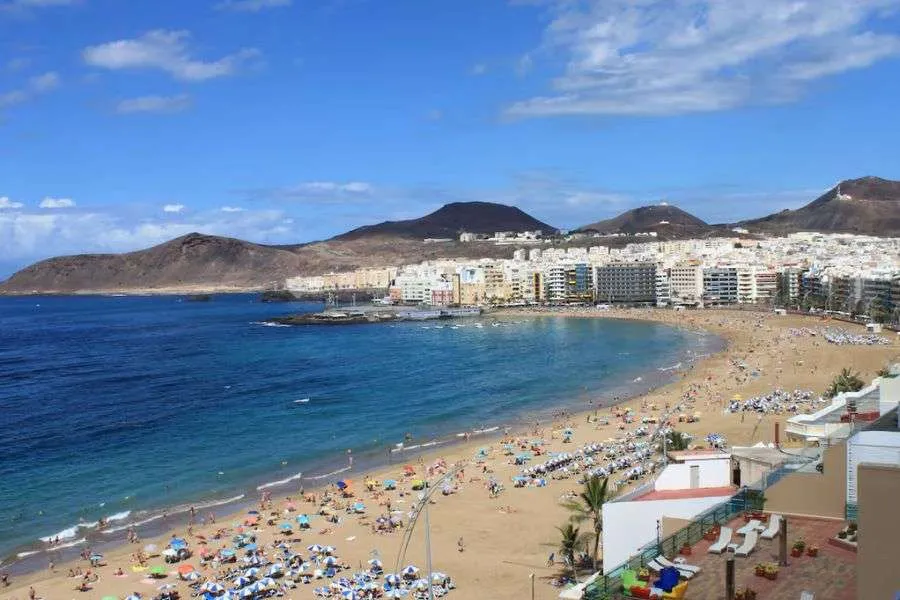
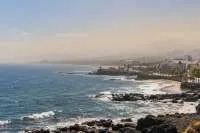
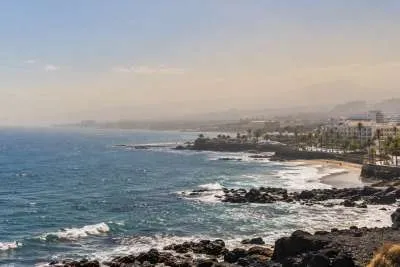
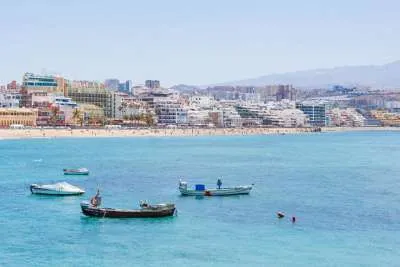
The Canary Islands are losing around four kilometres of natural coastline every year due to a combination of human activity and climate change, according to a new Greenpeace report. The environmental group says around 150 kilometres of the archipelago’s coastline is now at risk, raising concerns for coastal communities, beaches and tourism.
The report, Destruction Along the Coast 2026, identifies 18 critical areas across the islands and says there are almost 1,500 environmental enforcement cases linked to coastal development. Greenpeace argues that illegal building, overdevelopment and weaker planning controls are placing increasing pressure on the coastline.
The organisation also warns that rising sea levels could increase the threat in the coming decades. Based on current scientific projections, sea levels could rise by almost one metre by the end of the century, putting many low-lying coastal areas at greater risk of erosion and flooding.
Greenpeace says repairing promenades or building sea defences after storms is becoming increasingly expensive and offers only temporary protection. Instead, it is calling for more natural solutions that restore beaches, dunes and coastal ecosystems to improve long-term resilience.
The report highlights several controversial developments across the Canary Islands, including the Cuna del Alma project in Adeje, the La Tejita hotel development in Tenerife and the long-running demolition order affecting the Oliva Beach hotel in Fuerteventura. It also notes that the Canary Islands Agency for Environmental Protection opened 1,419 enforcement cases in just one year, which Greenpeace says reflects ongoing pressure on protected land.
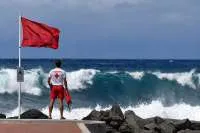
Recent storms have also exposed the vulnerability of parts of the coastline. Greenpeace points to the damage caused by Storm Therese, which resulted in around €8 million of damage and severely affected the natural swimming pools in La Laguna.
The report also raises concerns about marine ecosystems. In Tenerife, Greenpeace criticises a proposed underwater attraction at Punta Blanca, while in northern Lanzarote it says climate change and changing ocean currents are contributing to declining fish stocks and affecting native marine species. Research from the University of La Laguna also suggests rising sea temperatures are harming key species of marine algae.
However, the organisation also highlights several positive examples. These include Gran Canaria’s decision to halt a proposed large-scale sea bass farm in La Aldea de San Nicolás, plans to restore the coastline at Añaza in Santa Cruz de Tenerife following the demolition of an abandoned hotel, and environmentally sensitive improvements at Las Caletillas beach in Candelaria.
Greenpeace is urging authorities to move away from hard engineering projects such as breakwaters and artificial beaches, instead restoring natural coastal environments and preventing further development in flood-prone areas. It also recommends removing vulnerable infrastructure where necessary and using scientific evidence to guide future coastal planning.
Share: