
Six jailed following seizure of nearly 10 tons of cocaine near the Canary Islands
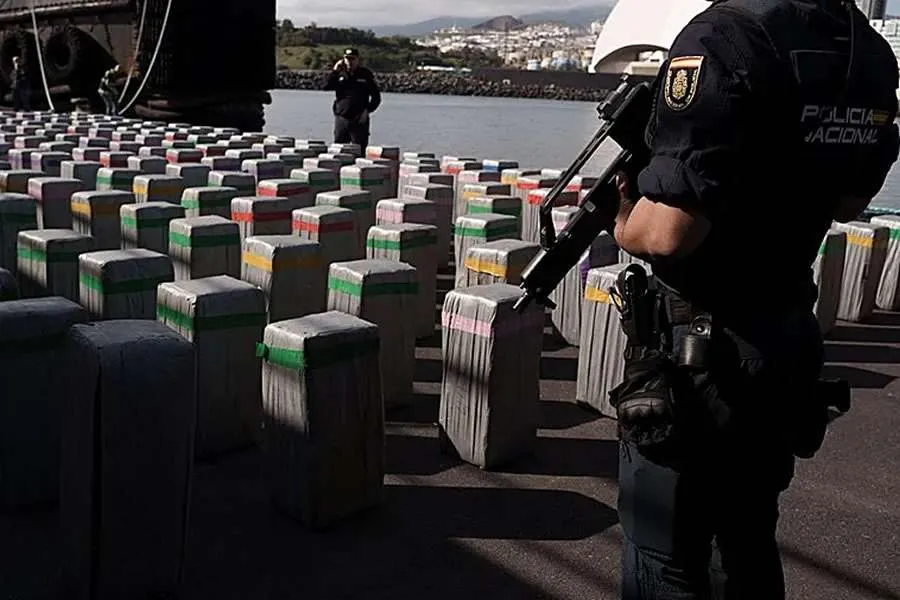
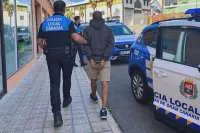
Spain’s Audiencia Nacional has ordered six of the 13 suspects arrested following the historic seizure of 9,994 kilos of cocaine yesterday, into provisional prison without bail. This the largest maritime drug interception ever carried out by the National Police.
The judge at Central Investigating Court No. 4 has sent four Turkish nationals, one Hungarian and one Serbian national to prison, citing a high risk of flight and concerns that they could hide, alter or destroy key evidence, in accordance with Spanish criminal procedure law.
The remaining seven detainees, all Indian crew members on board the intercepted cargo vessel, have been released on provisional bail under strict conditions. The court found indications that they were coerced at gunpoint into loading the cocaine onto the ship, a factor that led to a less severe decision, although they remain formally under investigation.
These seven crew members must appear before their nearest court every Monday, surrender their passports, remain in Spain, and provide a local address for judicial notifications.
The case involves charges of serious offences against public health for trafficking substances harmful to health, under articles 368 and 370.3 of the Spanish Penal Code, due to both the extreme quantity involved and the use of a vessel for transport. The investigation also covers alleged participation in a criminal organisation, and one suspect additionally faces charges for illegal possession of weapons.
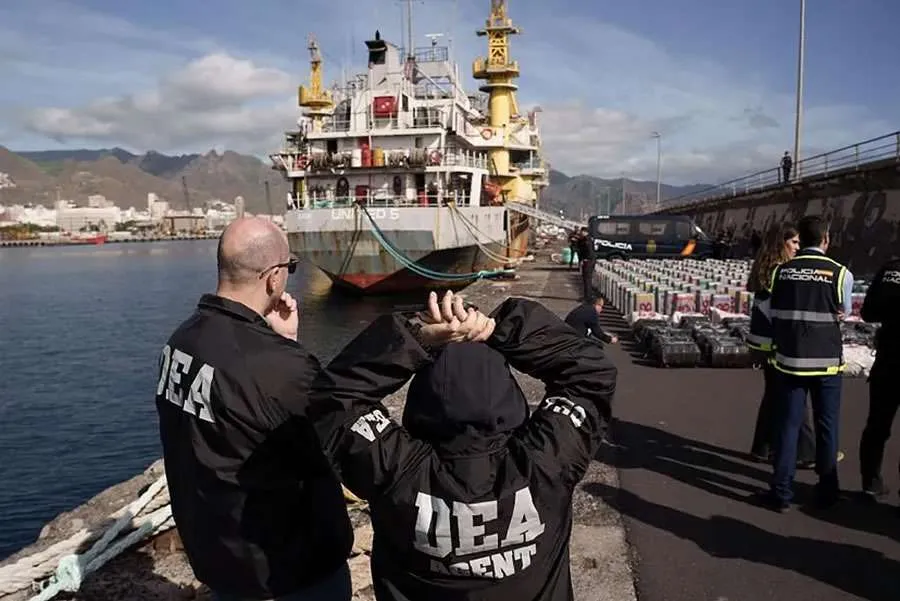
The arrests form part of an international operation by the National Police in coordination with the Spanish Navy, the Centre for Intelligence Against Terrorism and Organised Crime (CITCO), and international anti-narcotics agencies. Officers intercepted a South America–to-Europe cargo ship in the Atlantic, several hundred kilometres south of the Canary Islands, uncovering 294 bales of cocaine hidden among legitimate cargo.
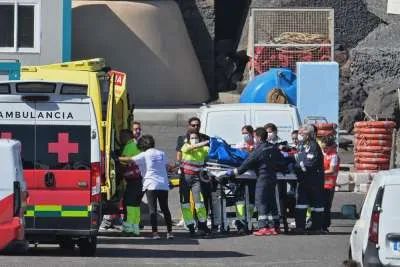
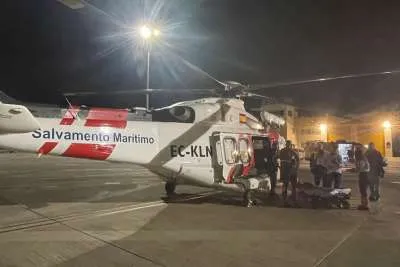
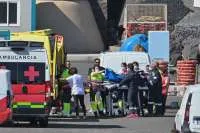
After the boarding, the vessel lost propulsion and had to be towed to port by Maritime Rescue. The detainees were then transferred to police custody and brought before the courts.
Investigators believe the case is linked to a transnational criminal network responsible for shipping massive quantities of cocaine from South America to Europe via Atlantic routes with logistical support in the Canary Islands. The judicial investigation remains open, and further actions and arrests have not been ruled out.
Share: