
Inter-Island flights in the Canaries have become more expensive from 1st August
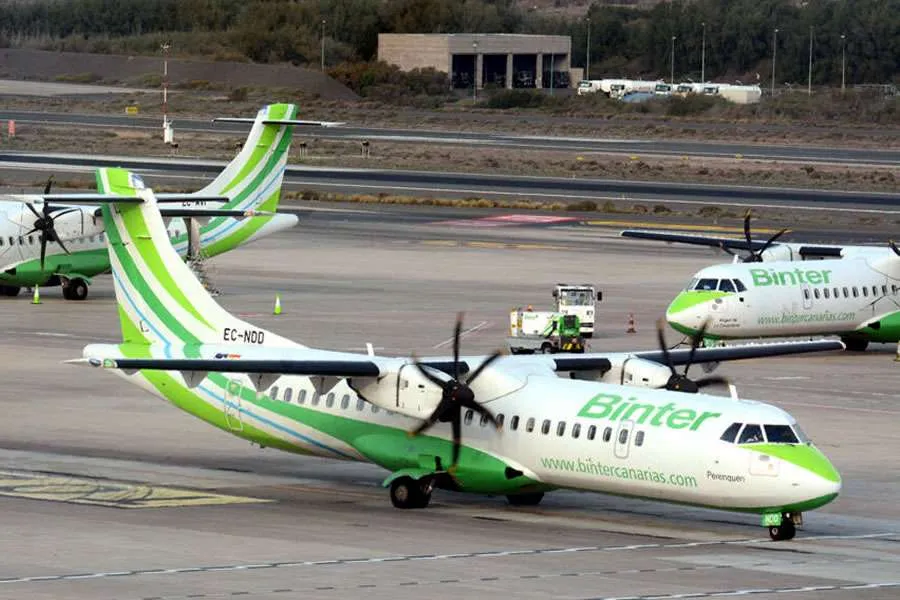
Travelling by air between the Canary Islands has become more expensive from 1st August, after the Ministry of Transport introduced higher regulated fares on most inter-island routes.
The new fares, published in Spain's Official State Gazette (BOE), affect 10 of the 13 routes that operate under Public Service Obligation (PSO) rules, with increases ranging from 3.4% to 9.5%.
While the headline price rises may seem significant, Canary Islands residents who qualify for the 75% resident discount will only generally pay just over €1 more per ticket on most routes. However, non-residents, including holidaymakers and many second-home owners, will pay the full revised fares.
The largest increase applies to the Tenerife North–La Palma route, where the standard one-way fare rises from €84 to €92, an increase of 9.5% before any resident discount is applied.
Other notable increases include:
- Gran Canaria – Lanzarote: €100 to €108 (+8%)
- Tenerife North – El Hierro: €89 to €96 (+7.9%)
- Gran Canaria – Fuerteventura: €90 to €97 (+7.8%)
- Gran Canaria – Tenerife North: €84 to €90 (+7.1%)
- Tenerife North – Lanzarote: €124 to €132 (+6.5%)
- Gran Canaria – El Hierro: €125 to €133 (+6.4%)
- Tenerife North – Fuerteventura: €121 to €128 (+5.8%)
Smaller Increases on Other Routes
More modest fare rises include:
- La Palma – Lanzarote: €131 to €136 (+3.8%)
- Gran Canaria – Tenerife South: €87 to €90 (+3.4%)
Meanwhile, three routes remain unchanged:
- Gran Canaria – La Palma: €114
- Gran Canaria – La Gomera: €112
- Tenerife North – La Gomera: €84
New Standard Fares
Following the changes, regulated one-way fares now range from €84 for the Tenerife North–La Gomera route to €136 for flights between La Palma and Lanzarote.
The average increase across all regulated routes is around 5%, representing the first fare revision since October 2024.
Why Have Prices Increased?
The Ministry of Transport says the new fares reflect the higher operating costs faced by airlines, including rising fuel, maintenance and operational expenses.
Officials say the changes are intended to ensure the long-term viability of essential inter-island air services while maintaining the required levels of frequency, capacity and reliability on routes covered by Public Service Obligation rules.
For residents, the impact will be relatively small thanks to the government subsidy. However, visitors and non-resident property owners travelling between the islands will notice the full increase in ticket prices.
Share: