
Tourism, Tech and Gaming: How island economies attract iGaming businesses
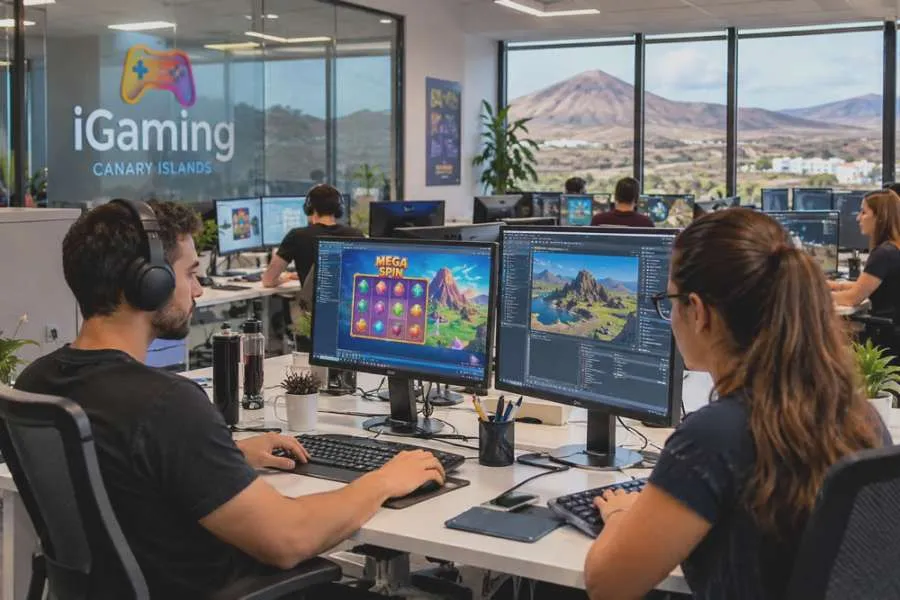
Ask a taxi driver in Tenerife or a waiter in Las Palmas what keeps the islands going and you'll probably hear one word. Tourists. Fair enough - nobody here would argue with that. Still, something else has been creeping in over the last twenty-odd years, on these islands and plenty of others. Next to the sun loungers you now find server rooms, compliance officers and coders on laptops who work for online gaming firms.
So why do island economies and iGaming companies keep ending up together? Tax is part of it, obviously. The rest of the story is a bit more interesting, and it tells you a lot about how small places try to stop putting all their eggs in one basket.
Why Tourism Alone Is a Risky Bet
Tourism pays wonderfully right up until the day it doesn't. Covid made that painfully clear. According to UN Tourism, travel makes up more than 30% of total exports for most small island states, and in some of them the figure reaches 90%. When flights stopped, those economies had almost nothing to fall back on.
The Canaries know this story well. Around 16 million international tourists came in 2025, yet another record. Records come with a bill, though: jammed roads, rents nobody local can afford, people marching in the streets with banners. Squeezing even more visitors in isn't an easy sell anymore.
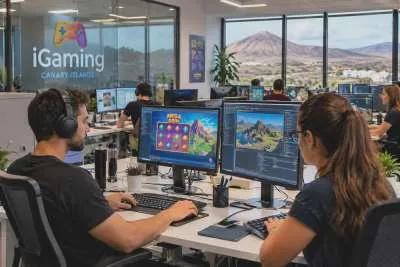
Digital work slots into that gap rather neatly. Yes, it needs staff and desks. What it doesn't need is another hotel on the seafront or another hire car on the TF-1. Fifty developers on decent salaries pay their taxes in January just like in August, and that steadiness is worth a lot to a regional budget.
What Island Economies Offer iGaming Companies
Online gaming is an odd sort of business. Players can be anywhere at all, and the company serving them can be pretty much anywhere too, as long as the internet is fast and the paperwork makes sense. Islands figured out a while ago how to make "anywhere" mean "here".
Ask people who've actually moved a team and the reasons sound roughly like this:
- Tax. Lots of island jurisdictions cut the corporate rate for firms that hire locally and have a real office, not a brass plate.
- A regulator you can talk to. Gaming companies will happily trade a bit of red tape for rules that don't change every six months.
- The clock. Being on European time means support staff cover the evening rush without anyone pulling night shifts.
- The beach, honestly. Try hiring a senior backend developer for a grey industrial estate. Then try it for an office fifteen minutes from the sea.
- Cables. Undersea fibre and newer data centres mean lag is mostly a non-issue these days.
On its own, none of that does much. Cheap tax plus a flaky regulator and investors run. Lovely weather plus patchy broadband and your payments people quit by spring. You need the whole package.
The Mediterranean Example Everyone Studies
There's one small island state in the Mediterranean that everybody in the trade points to. It started licensing online gaming in 2004, years before most of Europe had bothered writing any rules, and companies piled in.
The numbers got big fast. An IMF analysis put gaming at almost 12% of the island's gross value added by 2016. The same piece flagged the downside. About two-thirds of people working in online gambling firms there were foreigners, simply because there weren't enough local developers to go round. Rents shot up. So did the traffic.
Anyone thinking of copying that model should take note. The money shows up, but so does everything else.
The Canary Islands: Quietly Building a Digital Base
The Canaries went about it differently. There's no special gaming regime here. Instead, firms use the Zona Especial Canaria (ZEC), a low-tax zone running since 2000. Approved companies pay 4% corporate tax - a fraction of the normal national rate - as long as they hire people and genuinely operate on the islands.
According to Canarian Weekly's look at the local tech scene, more than 900 companies are registered under the ZEC, supporting over 12,500 jobs. Plenty of those are ICT firms, sitting alongside film crews, logistics outfits and renewable energy start-ups.
Worth clearing up one thing. A ZEC registration isn't a gaming licence, and it doesn't let anyone offer bets. That part still depends on the rules wherever the players live. What the islands give gaming firms is a cheaper, nicer place to put developers, support agents, marketers and analysts. And with so many remote workers now based here, finding someone who speaks English and knows their way around a CRM is far less of a headache than in 2015.
The Tech That Makes It Possible
Back in the early 2010s, launching a gaming site meant building nearly all of it yourself. Games, payment gateways, player wallets, anti-fraud checks, reporting. Months of work and a large in-house team, which pretty much forced you into a big city where developers were easy to find.
That's not how most people do it now. A newer operator will usually license the core software from an iGaming platform provider such as https://kanggiten.com and keep its own staff on the brand, the marketing and looking after players. The heavy lifting sits in the cloud somewhere. The office on the island deals with the human side.
Take payments. A decent platform tends to come with dozens of payment options already plugged in, along with ID checks and responsible gambling limits. So a tiny team in Adeje or Puerto del Carmen doesn't have to chase every bank and wallet provider one by one. Their job is to run the brand properly, keep players happy and keep the regulator off their backs.
That's really why little islands can play in this league now. Twenty people can look after a brand serving players in several tier-1 countries, since the platform covers the stuff that once took hundreds of engineers. Where the company sits turns into a question of tax, people and lifestyle rather than raw tech muscle.
The Trade-Offs Islands Have to Manage
It would be silly to pretend it's all sunshine. Gambling has real social costs, and any island that hosts the industry gets the scrutiny too. Foreign regulators watch closely where licences come from and how seriously player protection is taken.
Then there's housing, again. Well-paid tech workers arriving in numbers can push rents up just as quickly as holiday lets do. Local groups in the Canaries have already said as much about remote workers in general.
And there's the concentration problem. Swapping a dependence on tourism for a dependence on one online sector isn't diversification, it's just a different single bet. A healthier mix would put gaming tech next to film, renewables, biotech and other digital services.
Where This Leaves the Islands
Tourism isn't going anywhere, and it will be the backbone of island life for a long while yet. No one sensible says otherwise. Even so, the ties between tourism, tech and gaming keep getting tighter, and you can see why.
Whatever draws holidaymakers - the climate, the flights, the slower pace - draws the people who build and run online businesses as well. Throw in friendly tax rules and rented platform tech, and an island can now host a gaming company that would have needed a whole office tower in a capital city twenty years back.
Getting the balance right is the hard bit. Islands that grow this slowly, with local jobs and housing in mind, could end up with a second engine for the economy. Rush it, and they may just trade one set of headaches for another.
Share: