
Fines to be introduced for people who ignore weather warnings or closed bathing areas

The Canary Islands Government has raised concerns about the growing influence of social media in encouraging tourists to visit hazardous coastal areas, putting both their own lives and those of rescue teams at risk, to get the perfect photo or video.
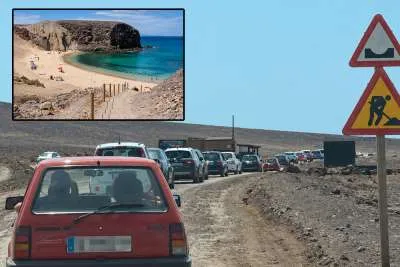
Carlos Esquivel, Deputy Director of Civil Protection and Emergencies, has warned that online trends are leading visitors to seek out quieter, more “Instagrammable” spots along the coastline, many of which are exposed to dangerous sea conditions that tourists often underestimate or simply do not understand.
Authorities are now working closely with the regional tourism department and Promotur to promote a stronger culture of prevention. The aim is to discourage risky behaviour and ensure visitors are better informed before heading to potentially dangerous areas.
Viral Locations Creating Real Risks
Esquivel acknowledged that social media has created a genuine safety issue. As certain coastal spots gain popularity online, they attract increasing numbers of visitors, despite often being unsuitable for swimming or even closed access due to unpredictable waves, strong currents, and sudden changes in conditions.
Officials are currently exploring new measures to limit access to these high-risk areas. The goal is to reduce the strain on emergency services, which are frequently called out to incidents that could and should have been avoided.
Fines Could Be Introduced During Alerts
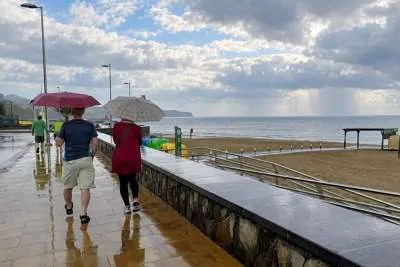
A key aspect of the proposed changes involves stricter enforcement during weather alerts. Under the Canary Islands Civil Protection framework, authorities are considering introducing fines for those who ignore official warnings during pre-alert or maximum alert situations.
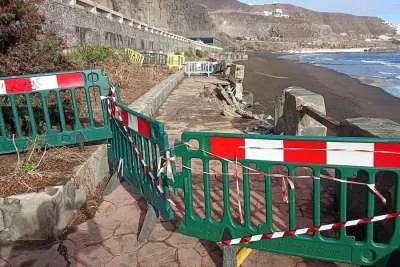
In such cases, safety advice could become legally binding, meaning that ignoring restrictions, such as entering closed beaches or dangerous coastal areas, may result in penalties.
However, Esquivel admitted there are practical challenges when it comes to enforcing fines on foreign visitors. Collecting penalties within the European Union can be complicated, and outside it, enforcement is described as “virtually impossible”.
Even so, the proposed regulations will focus on penalising non-compliance with preventative measures, not only because of the personal risk involved, but also due to the danger posed to emergency personnel required to carry out rescues.
Rethinking Lifeguard Services and Beach Hours
The emergency services are also working with the Canary Federation of Municipalities to develop a new approach to lifeguard coverage across the islands.
This model will take into account real beach usage, including visitor numbers, levels of risk, annual incident rates, and peak tourist seasons. The aim is to ensure resources are allocated more effectively.
Local councils, which are primarily responsible for beach management, could be given greater flexibility to adapt lifeguard hours. This may include extending coverage into the evening or, where necessary, banning swimming after certain times to improve safety along the coast.
Authorities are urging both residents and visitors to respect local guidance and avoid unnecessary risks, particularly in areas where the ocean can change rapidly and without warning.
Share: