

The Canary Islands record one of the hottest September days in 75 years
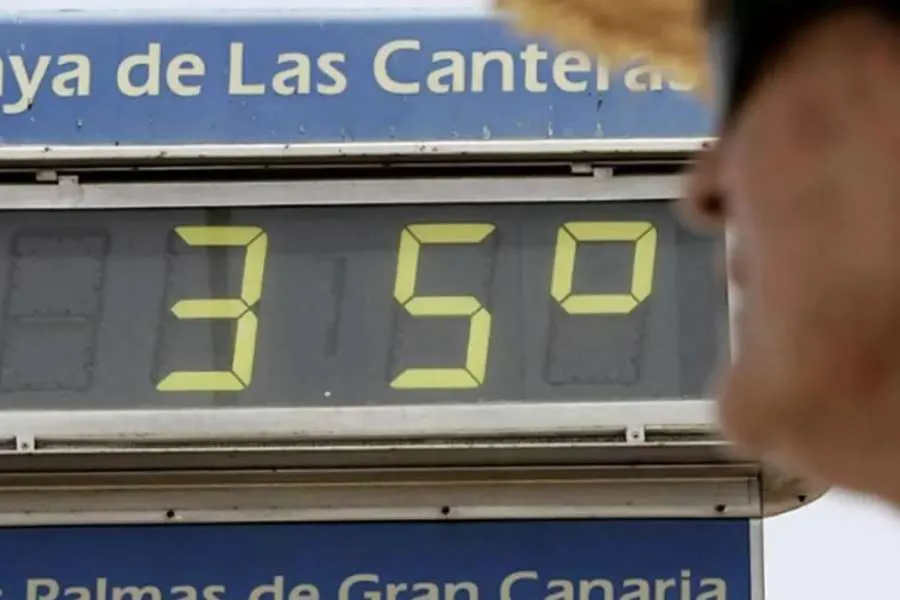
The Canary Islands have experienced one of their hottest September days in decades, with temperatures in Santa Cruz de Tenerife and Las Palmas de Gran Canaria more than two degrees above the seasonal average.
The unusually hot start to September continues a summer dominated by above-average temperatures, with humidity levels reportedly reaching around 85% in some areas, making conditions feel even hotter.
Historical data shows just how unusual the current temperatures are, with readings in the islands' two capitals ranking among the hottest September conditions recorded since the middle of the last century.
Santa Cruz reaches 30.6°C
In Santa Cruz de Tenerife, temperatures reached a maximum of 30.6°C during the latest 24-hour period. That is approximately 2.5°C higher than would normally be expected for a September day in the capital.
Perhaps more significantly, historical records indicate that only around 9% of September days on record have been hotter, placing the latest temperatures firmly towards the extreme end of the historical range.
The heat is also being accompanied by high humidity, making conditions particularly uncomfortable despite temperatures remaining lower than the extreme values sometimes recorded during major heatwaves.
September isn't cooling down like it used to
September has traditionally represented a transition between the hottest part of summer and the arrival of milder autumn conditions in the Canary Islands.
However, researchers have documented changes in seasonal temperature patterns as the global climate warms.
Studies indicate that the islands' meteorological summer now lasts, on average, around five weeks longer than it did during the 1980s, meaning sustained summer-like temperatures are increasingly extending further into the year.
Periods of warm air can also remain over the Archipelago for longer, contributing to prolonged spells of unusually high temperatures.
Atlantic Ocean also getting warmer
The Atlantic Ocean normally plays a crucial role in regulating temperatures across the Canary Islands, helping to prevent the extreme temperature fluctuations experienced in continental locations.
However, the world's oceans absorb more than 90% of the excess heat trapped in the climate system by greenhouse gases.
As ocean temperatures increase, the Atlantic's ability to provide the cooling influence traditionally experienced around the islands can also be affected.
This is particularly significant for the Canary Islands, where surrounding sea temperatures, the trade winds and ocean currents are fundamental components of the Archipelago's famously mild climate.
Hotter days becoming more common
Although individual periods of extreme heat have always occurred in the Canary Islands, scientists have repeatedly warned that climate change is increasing the frequency and intensity of unusually high temperatures.
The latest figures from Santa Cruz provide another example of that trend.
A temperature of 30.6°C may not appear exceptional compared with the extreme highs occasionally recorded during Canary Islands heatwaves, but its significance comes from how unusual it is when compared with historical September temperatures.
With only around 9% of September days in the historical record having been hotter, the figures underline just how unusually warm the beginning of the month has been.
For residents and tourists, it means the traditional September transition towards cooler conditions has yet to arrive, with the Canary Islands continuing to experience temperatures more typical of the height of summer.
Share: