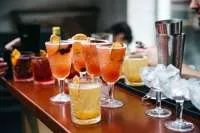

Why Cocktail Culture is becoming part of Tenerife’s Premium Tourism offer
Tenerife has long been associated with sunshine, beaches, volcanic landscapes and resort holidays. But the island’s tourism identity is becoming more sophisticated.
Alongside luxury accommodation, fine dining, wellness and high-end experiences, cocktail culture is emerging as another important part of the premium visitor experience.
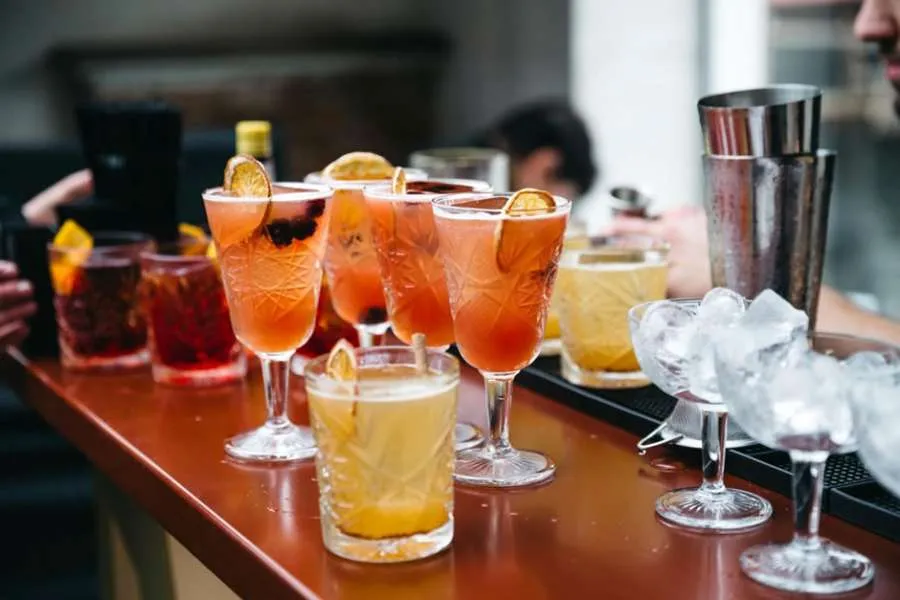
This change makes sense. Today’s luxury traveller is often looking for more than a comfortable hotel and a good view. They want memorable experiences, local character and carefully crafted food and drink. Tenerife is increasingly responding to that demand by treating cocktails not simply as something to order before dinner, but as an experience in their own right.
The island’s tourism authorities already position gastronomy as an important part of Tenerife’s visitor offering, highlighting local products, wine, chefs, bartenders and other hospitality professionals as part of the island's gastronomic ecosystem.
Tenerife’s Luxury Tourism Is Evolving
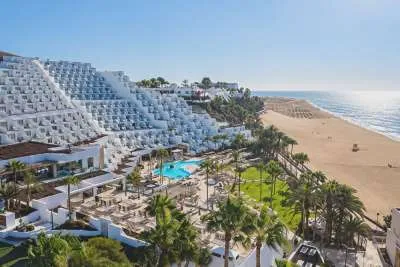
Tenerife has developed a substantial premium tourism sector, particularly around areas such as Costa Adeje and the southwest coast. The island's official tourism promotion now specifically markets luxury accommodation, exclusive villas, wellness, gastronomy and high-quality leisure experiences.
That creates an environment where the details of hospitality matter.
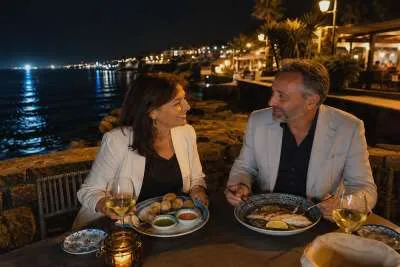
A luxury traveller might spend the afternoon at a spa, enjoy a carefully prepared dinner in the evening and then finish the night with a cocktail overlooking the Atlantic. The drink becomes part of the overall experience rather than an afterthought.
This is particularly visible in upscale hotels, where bars and terraces are increasingly designed as destinations themselves.
Cocktails Are Becoming Part of the Dining Experience
One of the biggest changes is the closer relationship between cocktails and gastronomy.
Fine dining has traditionally focused heavily on wine pairings, but creative cocktail programs offer another way to connect drinks with food. A well-designed cocktail can introduce acidity, bitterness, sweetness, herbs or fruit that complement particular dishes.
Tenerife already has examples of this approach. Latitudes by Upalupa, for instance, promotes a cocktail-pairing concept that combines Mediterranean fine dining, creative cocktails and a seaside setting. Its limited-time pairings are designed around specific dishes and drinks rather than treating cocktails as a separate part of the menu.
This kind of experience fits naturally into premium tourism because it gives visitors something they cannot simply replicate by ordering a standard drink at a conventional bar.
Local Ingredients Give Tenerife an Advantage
Premium cocktail culture also gives Tenerife an opportunity to showcase its own identity.
A cocktail does not have to rely entirely on imported spirits and familiar international recipes. Local fruit, herbs, wines and other ingredients can give drinks a distinct sense of place.
That idea is already being used by some high-end venues. At Royal Hideaway Corales Resort, for example, the Pool Bar Nao features cocktails created with ingredients sourced from the Canary Islands, emphasising freshness and seasonality. Its cocktail offering sits alongside the resort's broader high-end gastronomic program.
This is important because today's premium tourism is increasingly about authenticity. Visitors want to understand where they are, not simply experience a standardized luxury product that could exist anywhere in the world.
A Tenerife-inspired cocktail can therefore become a small but meaningful representation of the island.
The Rise of the Skilled Bartender
Behind this movement is a growing appreciation for professional bartending and mixology.
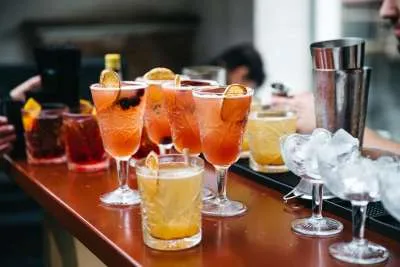
Modern cocktail preparation involves considerably more than pouring spirits and adding a mixer. Bartenders may work with techniques such as clarification, infusion, balancing acidity and sweetness, house-made syrups and carefully selected garnishes.
For hospitality businesses, this makes bartender expertise an important part of the guest experience. Staff who understand ingredients, presentation and service can turn an ordinary drink into something guests remember.
For anyone interested in developing these skills, a mixology school can provide structured training in cocktail preparation, techniques and the fundamentals behind professional drink-making.
The value of this expertise becomes particularly obvious in luxury hotels, where guests expect knowledgeable service as well as attractive surroundings.
Rooftops, Pools and Ocean Views Complete the Experience
Tenerife also has something that cannot easily be taught in a classroom: an exceptional setting.
A cocktail served indoors can be enjoyable, but a professionally prepared drink served beside an infinity pool while the sun disappears over the Atlantic is an entirely different experience.
Luxury hotels are increasingly taking advantage of this combination of setting and service. Royal Heaven Maresía at Royal Hideaway Corales Beach, for example, combines cocktails with a rooftop location, infinity pool and views toward La Gomera and the sunset.
Meanwhile, hotel groups across the south of Tenerife increasingly include rooftops, terraces, beach clubs and dedicated cocktail spaces within their hospitality offerings.
The result is an experience where the location, atmosphere, service and drink all work together.
Cocktail Bars Are Moving Beyond the Traditional Tourist Model
Tenerife's cocktail scene is also becoming more diverse.
Recent listings of cocktail venues across the island show a range extending from casual bars to more premium concepts, with Costa Adeje developing a particularly strong cocktail culture around its hotel and coastal areas.
This suggests that cocktail culture is no longer limited to traditional nightlife.
Instead, visitors can encounter cocktails as part of:
- Sunset experiences
- Fine-dining menus
- Rooftop evenings
- Poolside hospitality
- Beach clubs
- Private celebrations
- Hotel events
- Cocktail-pairing dinners
- Tasting experiences
- Special tourism events
That variety makes the category especially useful for premium tourism because it can appeal to couples, groups, corporate travellers and visitors celebrating special occasions.
Private Events Are Adding Another Layer
The growth of premium tourism also creates opportunities outside hotel bars.
Visitors increasingly organise birthdays, weddings, private dinners, villa gatherings and other celebrations during their Tenerife stays. These occasions require a different kind of hospitality, particularly when the hosts want professional drinks service without having to manage the bar themselves.
A mobile bartending service can bring professional bartenders, cocktail preparation and event-focused service directly to a private venue.
This model complements Tenerife's premium tourism sector because luxury is increasingly about convenience and personalisation. Instead of asking guests to travel to a bar, the bar can effectively become part of the event.
Why This Matters for Tenerife
The growing role of cocktails reflects a wider change in how destinations compete for premium travellers.
Luxury tourism is no longer only about expensive rooms. It is about creating experiences that feel distinctive, personal and memorable.
Tenerife already has many of the ingredients needed to support this approach: a strong hospitality industry, international visitors, high-end resorts, local agricultural products, excellent weather and a well-established gastronomic reputation.
The island's premium food scene is also becoming increasingly recognised internationally. Tenerife's tourism organisation highlights its Michelin-starred restaurants, local producers, wines and broader gastronomic ecosystem as important elements of the destination's identity.
Cocktails fit naturally into that development.
They can tell a story about local ingredients, demonstrate the skill of a bartender, complement a meal and make use of Tenerife's spectacular surroundings—all within a relatively small but highly memorable experience.
The Future of Cocktail Tourism in Tenerife
The next stage could see cocktails become even more integrated into the island's premium tourism strategy.
Hotels may continue developing signature cocktail menus based on local ingredients. Restaurants could expand food-and-cocktail pairing experiences. Private event companies can create customised bar experiences for villas and celebrations, while specialist bartenders can help bring greater creativity to destination events.
The emergence of cocktail programs such as Materia Elemental Bar also demonstrates how far the concept has evolved. Its approach combines contemporary techniques, minimalist presentation and locally focused cocktail development, showing that Tenerife can support sophisticated mixology alongside its established culinary culture.
Ultimately, Tenerife does not need to compete with traditional cocktail capitals by copying them. Its strongest opportunity is to create something distinctly its own.
A carefully crafted cocktail, made with local ingredients and served in an exceptional Tenerife setting, can become more than a drink. It can become part of the holiday itself.
As premium tourism continues moving toward personalised and experience-led travel, that is exactly where cocktail culture can find its place.
Share: