
Canary Islands Stargazing: Finding quiet places under clear skies
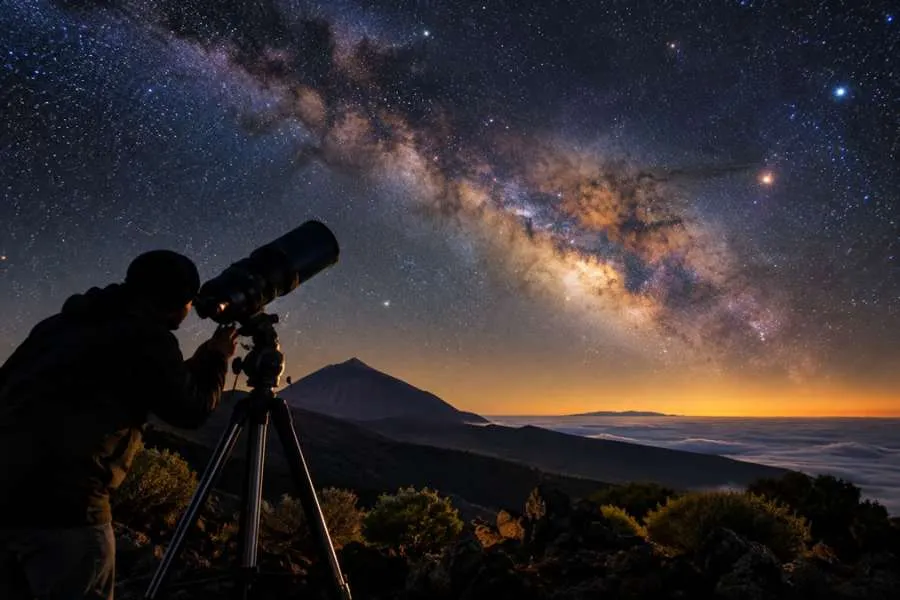
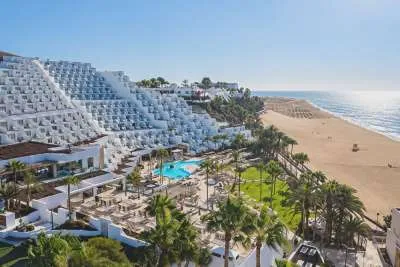
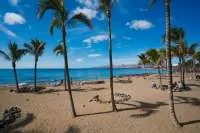
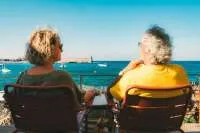
Evening arrives slowly on the coast. Restaurant terraces remain crowded, music drifts along the promenades, and the last swimmers leave the water. Higher up, the mood is completely different.
Mountain roads empty, lava fields fade into darkness, and the first bright stars appear over the peaks. A telescope is welcome, of course, but not essential. A coat, a safe viewpoint, and some patience can already provide a memorable night.
Astronomy excursions operate on several islands and can usually be reserved online. Tour companies rely on payment processing services to handle bookings before the chosen date. Such trips often include transport, optical equipment, and commentary from a local guide. Independent travel allows greater freedom, although unfamiliar mountain roads may feel uncomfortable after sunset.
When the Lights of the Coast Disappear
Distance from major cities gives the archipelago an obvious advantage. More importantly, Tenerife and La Palma have roads reaching well beyond the busiest towns. At sufficient altitude, the glow from hotels and residential areas becomes faint. In certain conditions, clouds settle below the mountains and hide much of the remaining light.
Weather in the Canaries likes to ignore assumptions. Sunshine at sea level does not promise a clear mountain sky later that evening. A grey coastal afternoon is not necessarily bad news either. Clouds may remain low, leaving the upper slopes dry and open.
The moon deserves a place in the plan as well. Under a full moon, craters and dark volcanic ridges become surprisingly easy to see.
A Night on La Palma
Professional observatory grounds are not an informal night-time attraction. Scientific work continues after dark, and access rules must be respected. Fortunately, suitable stopping places exist farther down the mountain route.
Llano del Jable, above El Paso, faces the western sky and the Aridane Valley. La Muralla offers a more convenient stop near the LP-1 road. San Bartolo Mountain has parking, open views, and a less demanding journey. San Borondón, near Tazacorte, is useful when a long drive into the cold highlands feels unnecessary.
What Belongs in the Car
The coast may still feel like summer, while the mountains have entirely different ideas. A practical bag can contain:
- A coat and an extra warm layer
- Shoes suitable for gravel or rough ground
- Drinking water and a small snack
- Binoculars, if available
- A dim red torch
- An offline map of the return route
A portable phone charger is sensible too. Cold weather, navigation, and photography can drain a battery faster than expected.
Tenerife After the Day-Trippers Leave
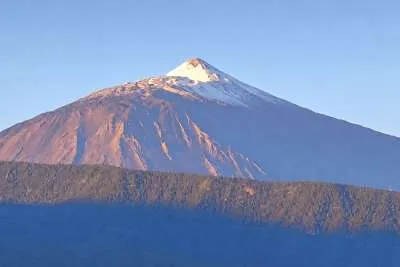
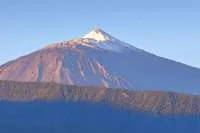
Teide National Park attracts crowds during the day. After sunset, coaches disappear and the wide volcanic basin becomes much quieter. Roadside viewpoints around Las Cañadas provide broad views without requiring a night hike.
Guajara Mountain offers impressive elevation but requires suitable equipment and genuine hiking experience. For a casual evening, an accessible roadside viewpoint is the safer option. Masca and El Palmar may provide alternatives if clouds or wind make the Teide area unpleasant.
Gran Canaria Beyond the Holiday Coast
Gran Canaria keeps many of its darkest places in the mountainous interior. The roads around Tejeda and Artenara move away from the brighter coastal districts and pass through quieter settlements. Several bends reveal wide views across ravines and distant peaks.
Pico de las Nieves is a familiar choice, although the highest possible point is not automatically the best one. Cloud, traffic, and wind can change the experience. A lower pull-off with an unobstructed horizon may prove far more comfortable.
Degollada de las Yeguas is easier to reach from the southern resorts. Occasional headlights interrupt the darkness, but the viewpoint remains convenient for a shorter visit.
Dark Horizons on the Smaller Islands
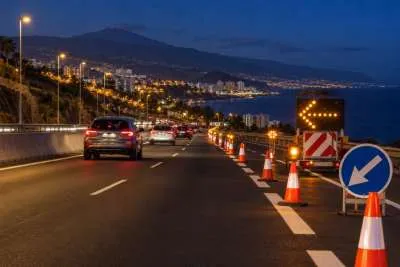
El Hierro and La Gomera combine limited urban lighting with high viewpoints. Driving requires care because roads are narrow and some stretches have few lamps.
A Little Etiquette Goes a Long Way
An astronomy viewpoint works best when every visitor protects the darkness:
- Park safely before switching off the headlights
- Use red light instead of a bright white torch
- Lower the brightness of phone screens
- Keep voices and music quiet
- Remain on established paths
- Take bottles, wrappers, and other rubbish away
Eyes need time to adapt. After twenty minutes without bright light, objects that seemed invisible at first often begin to emerge.
Waiting Is Part of the Experience
No island can promise a flawless sky every evening. A bank of cloud may drift across Teide. Wind may shake a pair of binoculars. The moon may be brighter than expected. Keeping two possible nights free gives better odds than building an entire holiday around one fixed date.
Summer brings a prominent Milky Way and relatively comfortable temperatures. Winter provides longer darkness and a different set of constellations. Both seasons reward a late drive away from the resorts.
At first, the sky may look merely pleasant. A few minutes pass. More stars fill the gaps, the eyes settle, and the scale of the Atlantic darkness becomes apparent. That gradual change is what makes stargazing in the Canary Islands worth the journey.
Share: