
Spain raises minimum wage to €1,221 per month for 2026
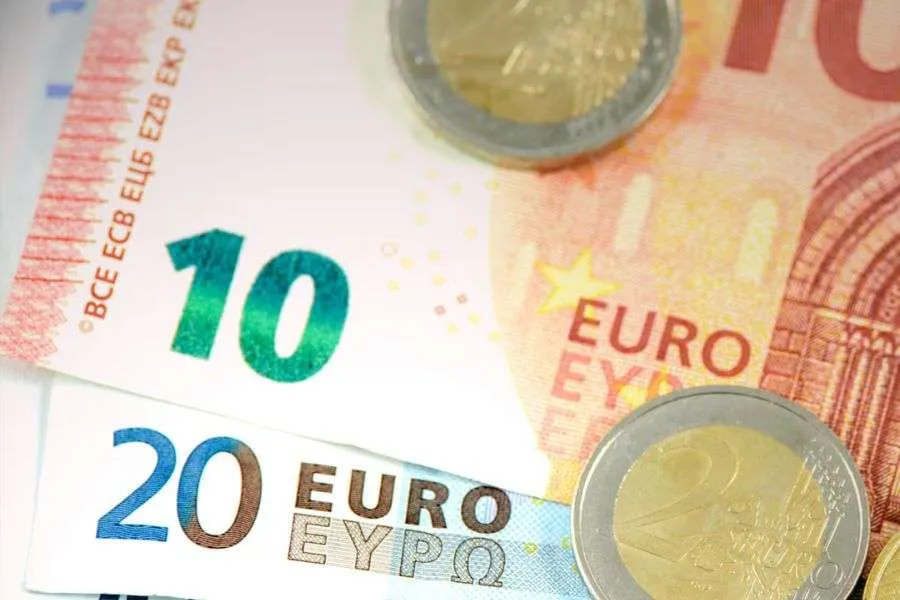
Spain’s minimum wage will rise to €1,221 per month in 2026, following an agreement signed today (Monday) between the Government and trade unions. According to figures released by CCOO, the increase will benefit around 1.66 million workers, representing 9% of all salaried employees in the country.
The union estimates that 1.42 million full-time workers earned less than the new minimum wage in 2025 and will therefore see their pay rise. When this percentage is applied to part-time workers, a further 239,000 people are expected to benefit, pushing the total number of recipients to nearly 1.7 million. CCOO stresses, however, that this is a “conservative” estimate, noting that hourly wages for part-time roles tend to be lower, meaning the real number could be higher.
To calculate the impact of the increase, the union used salary data from the 2024 Active Population Survey and wage averages from the 2025 Quarterly Labour Cost Survey.
Strongest impact on lower-paid groups
The rise will be felt most in groups that already experience poorer working conditions, including women, young workers, migrants, temporary staff, and employees in agriculture, hospitality, and retail. The impact is particularly significant in regions where low-paid sectors make up a larger share of the economy, such as the Canary Islands, Extremadura, Murcia, and Andalusia.
Women and young people benefit most
Women will be the main beneficiaries, making up 61% of all workers who will receive a pay rise. CCOO says the minimum wage affects women almost twice as much as men: 12.4% of women in salaried jobs will benefit, compared with 6.3% of men.
Most minimum-wage earners are women over 35 with permanent contracts working in the service sector, particularly in Andalusia. Overall, two in three beneficiaries are aged 35 or over, while 34% are younger than 35.
The increase is especially relevant for younger workers earning below-average pay. CCOO calculates that 19.5% of employees aged 24 and under, and 10.9% of those aged 25–34, will see their wages rise. For workers aged 35 and above, the impact falls below the national average.
Temporary workers and foreign nationals also affected
Although 80% of those benefiting have permanent contracts, temporary workers are proportionally more affected. Around 20% of beneficiaries hold temporary contracts, which is a higher rate than the national average, showing how strongly the minimum wage influences more precarious employment.
The union also highlights that while three-quarters of recipients are Spanish or have dual nationality, the impact is greater among foreign workers: 15.2% of non-Spanish nationals will benefit, compared with 8% of Spaniards.
Hospitality, retail and agriculture see biggest gains
The sectors most affected by the increase are commerce and hospitality, followed by healthcare, education, public administration, financial and professional services, and agriculture. Nearly one in three minimum-wage workers is employed in retail or hospitality.
The rise has the greatest relative impact in industries with the lowest average salaries:
- Agriculture: 27% of full-time workers will benefit
- Other services: 25%
- Commerce & hospitality: 13%
Regions with the highest impact
Although most beneficiaries are located in Spain’s most populated regions, Andalusia, Valencia, Madrid, and Catalonia, the effect is strongest in areas with traditionally lower wages. The Canary Islands stand out, where 18% of salaried workers will benefit from the increase.
Share: