

One in four people who applied for euthanasia in the Canary Islands died before their request was granted
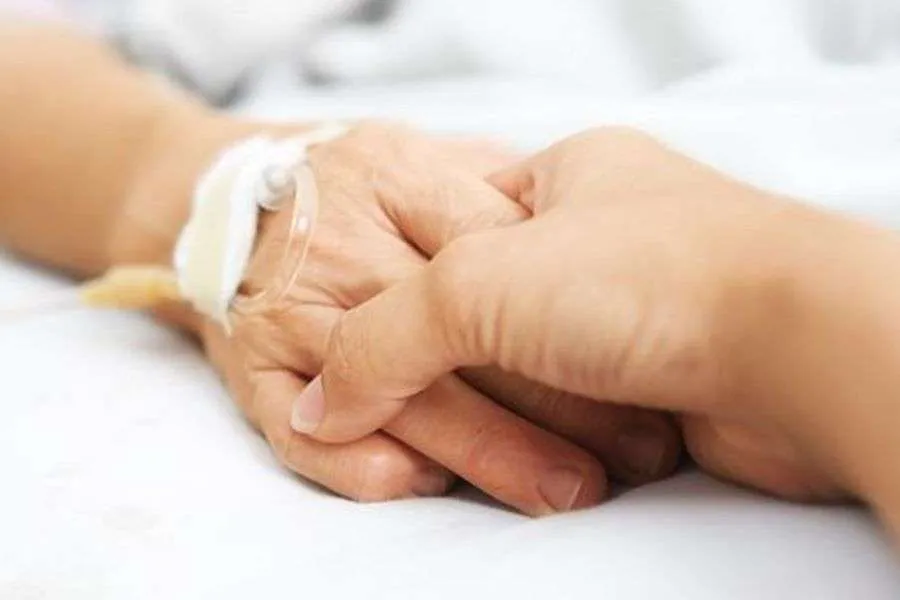
One in four people who applied for euthanasia in the Canary Islands died before their request was formally resolved, according to official figures published in Spain’s 2024 Annual Report on the provision of assisted dying.
The data show that 52 people requested a “death with dignity” in the Canary Islands last year. Of these, almost half were approved, with 25 applications receiving a favourable decision. A further 14 cases were either rejected or withdrawn, with seven requests denied and seven revoked after applicants chose to abandon the process.
The most shocking figure, however, concerns those who did not live long enough to receive a final decision. In total, 13 people, 25% of all applicants in the Canary Islands, died while their request was still being processed.
Spain legalised euthanasia in June 2021 under a national law that allows eligible patients to request medical assistance to die under strict conditions. Applications must be made voluntarily and repeatedly, and are assessed through a multi-stage process involving medical professionals and regional review committees. Requests are limited to people suffering from serious and incurable illnesses or severe, chronic conditions that cause ongoing and intolerable suffering. While the service is provided through Spain’s public healthcare system, the evaluation process can take time, and approval is not automatic.
Across Spain as a whole, 929 applications for euthanasia were submitted in 2024, of which 426 were approved. By autonomous community, Catalonia recorded the highest number of requests, with 303 cases, followed by Madrid with 129, the Basque Country with 75, and Andalusia with 72. The Canary Islands ranked fifth nationwide, both in terms of applications submitted and cases approved. At the other end of the scale, no requests were recorded in Ceuta, while Melilla registered just one application, which was later withdrawn.
The report also outlines a clear applicant profile. Most people requesting euthanasia were aged over 80, accounting for 27.8% of cases. Neurological illnesses were the most common underlying condition, present in 32.5% of applications, followed closely by cancer-related illnesses at 29.7%. In nearly all approved cases, euthanasia was carried out within the public healthcare system, representing 96.7% of procedures, and most commonly in primary care settings, where 64.05% of cases took place.
Despite the growth in requests, Spain continues to record one of the lowest euthanasia-related mortality rates among countries where assisted dying is legal. According to the Ministry of Health, euthanasia accounts for just 0.1% of deaths per 1,000 nationwide. This figure is ten times lower than in Australia and New Zealand, fifteen times lower than in Switzerland, and well below Belgium and Canada, where euthanasia-related deaths represent 3.6% and 4.7% respectively.
Share: