
10 cents refundable deposit on all bottles and cans being introduced in November 2026
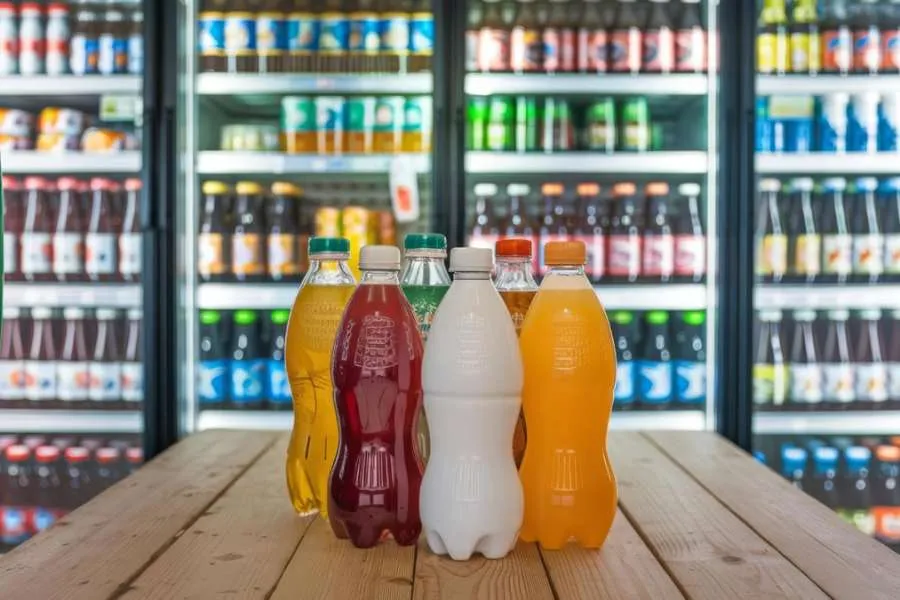
Spain is set to introduce a nationwide deposit return scheme for drinks containers in November 2026, marking a major shift in how people buy and dispose of bottled and canned beverages, including here in the Canary Islands.
Under the new system, every drink container of up to three litres - including water, soft drinks, juice and beer - will carry a small deposit of at least 10 cents. Consumers will only get this money back by returning the empty container to a shop or a designated return machine.
How the system will work
The scheme, known as the Deposit, Return and Refund System (SDDR), is already widely used across Europe, including in Germany, Norway, Sweden, Denmark and Netherlands, where recycling rates exceed 90%.
In Spain, the process will be straightforward:
- When buying a drink, the deposit will be added to the price and shown on the receipt
- After use, the empty bottle, can or carton can be returned
- The full deposit is refunded upon return
- If not returned, the deposit is lost
The financial incentive is key. In countries where the system is already in place, it has dramatically increased recycling rates, far outperforming traditional bin-based systems.
Why Spain is introducing the change
The move has been triggered by Spain’s failure to meet EU recycling targets in 2023. Current collection rates for drink containers sit at just over 40%, well below the 90% target set by the European Union.
As a result, Spanish law requires the introduction of a deposit system within two years of missing those targets. That deadline falls in November 2026, making the rollout unavoidable despite delays and logistical challenges.
At present, Spain relies on a colour-coded recycling system - yellow bins for packaging, blue for paper and green for glass - but this has not delivered the required results. Millions of containers still end up in landfill, incineration plants or the natural environment.
What containers are included
The scheme will apply to most drink containers up to three litres, including:
- Plastic bottles (PET)
- Aluminium cans
- Drink cartons
Products such as yoghurt pots, sauces or cleaning items will not be included. Returnable glass bottles are also excluded, as they already operate under a separate system.
Challenges ahead
Despite the fixed launch date, ongoing issues with planning and coordination need to be confirmed. Key details are still unresolved, including:
- Who will manage the system nationwide
- How collection and transport will be organised
- How shops will adapt to handle returns
- Installation of return machines across thousands of locations
Retailers and manufacturers have raised concerns about the tight timeline, as they will need to update infrastructure and train staff ahead of the launch.
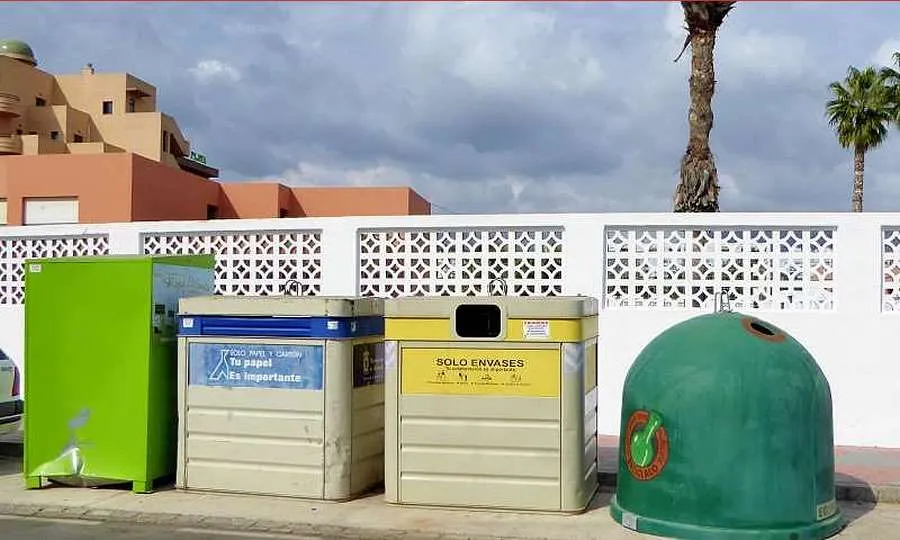
Impact on the Canary Islands
The system is expected to have a particularly strong impact in the Canary Islands, where waste management is more complex due to geography.
Transporting recyclable materials to mainland Spain increases costs and reduces efficiency, while high tourist numbers significantly boost the volume of drink containers consumed.
Adapting the scheme locally will require:
- Solutions for smaller shops with limited space
- Efficient inter-island transport systems
- Infrastructure suited to dispersed communities
However, if successful, the environmental benefits could be substantial, especially in a region where the natural landscape is central to the economy.
What it means for consumers
For shoppers, the most noticeable change will be slightly higher upfront costs. For example:
- A six-pack of water will cost at least 60 cents more
- A single can of soft drink or beer will cost an extra 10 cents
This is not a permanent cost, as the full amount is refunded when containers are returned. However, it does require a change in habits, keeping empty containers and returning them rather than disposing of them immediately.
Experience in countries like Germany shows that people adapt quickly. There, with a 25-cent deposit, return rates exceed 98%, and the system has become part of everyday life.
Spain is now preparing to follow the same path, though the road to implementation is likely to be complex.
Share: