

Asian Hornet nest found in Canary Islands for the first time
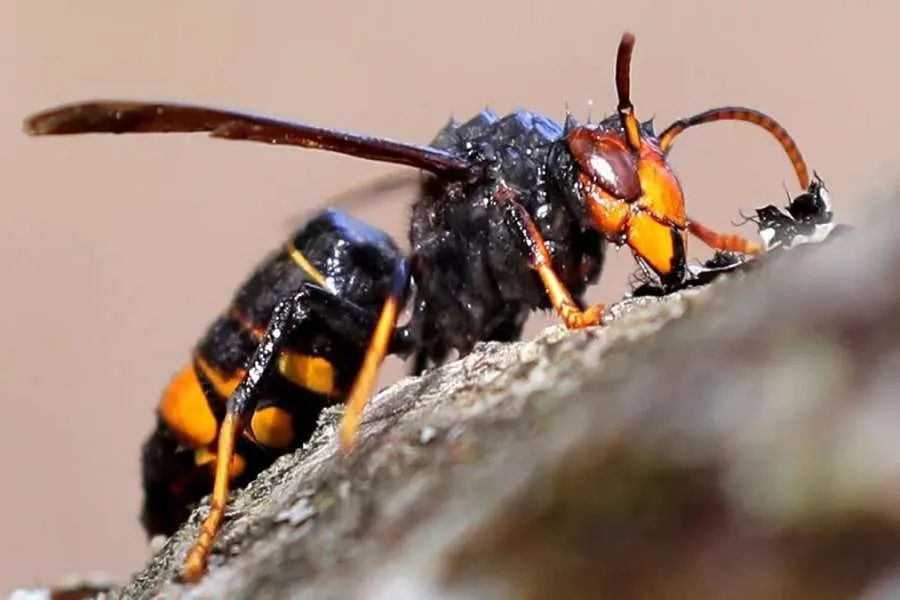
The Canary Islands Government has confirmed the first-ever detection of the Asian hornet in the archipelago after a nest containing 93 specimens was discovered in Gran Canaria.
The invasive species, officially known as Vespa velutina, has been present in mainland Spain since 2010, mainly across northern regions, but had never previously been identified in the Canary Islands.
The nest was found in an urban area of the capital, Las Palmas, prompting an immediate response from firefighters, who removed it the same night before alerting the Canary Islands’ invasive species early warning network, RedEXOS. Specialists later confirmed the identification following laboratory analysis.
Public urged not to approach them
Local authorities are now asking residents to remain vigilant and report any possible sightings rather than attempting to kill or disturb the insects themselves.
Although Asian hornets are not usually aggressive unless their nest is threatened, officials warn that their sting is larger and more painful than that of common wasps due to the amount of venom they can inject. The greatest risk remains for people with allergies to bee or wasp stings.
Sightings can be reported by calling 112 or by sending photos or videos to the RedEXOS WhatsApp number: 646 601 457.
Easy to recognise
The Asian hornet is significantly larger than the common wasps normally seen in the Canary Islands, growing up to three centimetres in length. It can be identified by its dark body, yellow legs and a distinctive yellow-orange band across the abdomen.
Traps already installed
Following the discovery, RedEXOS, Gran Canaria Cabildo and Las Palmas City Council have installed traps in nearby parks and around the port area to determine whether more colonies exist.
Officials hope the early detection during spring could help prevent the species from spreading, as colonies are still in the early stages of development and are less likely to have begun reproducing.
Threat to bees and pollinators
Experts warn that the Asian hornet is a carnivorous species that preys heavily on honey bees and other pollinating insects, making it a serious environmental concern.
Residents may be more likely to spot them near water sources such as fountains, swimming pools and reservoirs, especially during the warmer summer months. They may also appear near beehives while hunting for prey.
Authorities have stressed that protective beekeeping suits are not sufficient for safely handling Asian hornets and that any nest removal should only be carried out by trained professionals, preferably at night when the colony is less active.
Share: