

New Animal Welfare Rules ban giving away puppies and kittens under two months old
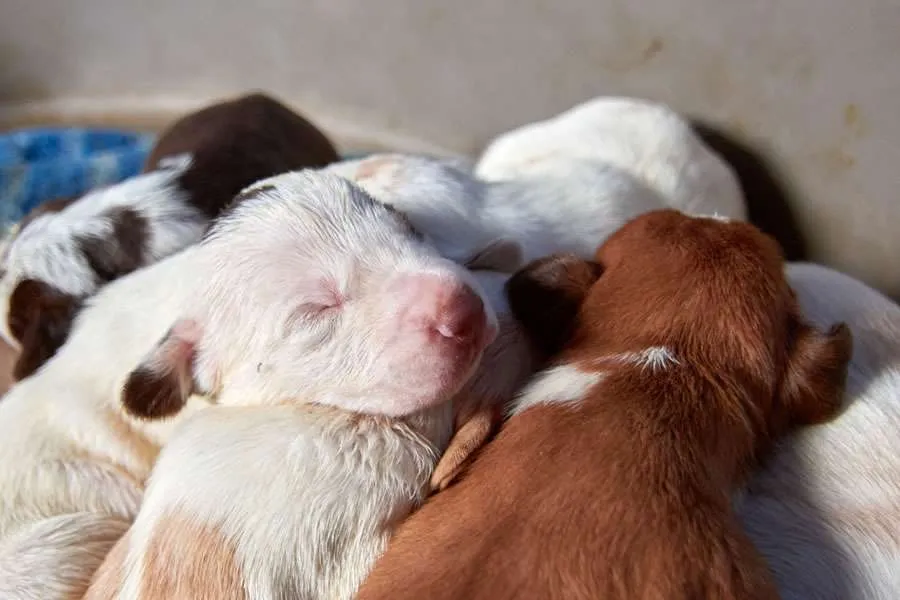
People in Spain, including here in the Canary Islands, can no longer give away puppies or kittens under two months old, following the enforcement of new provisions under the country's Animal Welfare Law.
The regulation, now fully in force, prohibits the transfer of young animals before they reach eight weeks of age, regardless of whether money changes hands.
The measure aims to improve animal welfare and ensure that young animals remain with their mother during a critical stage of their physical and behavioural development.
Why the Rule Has Been Introduced
Veterinary experts have long warned about the risks associated with separating puppies and kittens from their mothers too early.
During the first weeks of life, maternal milk provides essential antibodies that help strengthen the animal's immune system. Early weaning can negatively affect long-term health and increase vulnerability to illness.
Animal behaviour specialists also point to the importance of the socialisation period, which generally takes place between the third and eighth week of life.
During this time, young animals learn key behavioural skills from their mother and littermates, including bite control, social interaction and coping with fear. Premature separation has been linked to behavioural problems later in life, including anxiety and aggression.
Gifts Are Treated the Same as Sales
One of the most significant aspects of the legislation is that it applies to all transfers of ownership, not just commercial sales.
Under the law, any change of ownership is considered a "transfer", including:
- Selling an animal
- Giving an animal away as a gift
- Private adoptions
- Exchanges between individuals
This means that even if a puppy is being given to a friend or family member free of charge, it cannot legally leave its mother before reaching eight weeks of age.
Fines Can Reach €50,000
Authorities have classified the early transfer of puppies and other young animals as a serious administrative offence.
Those found in breach of the rules could face fines ranging from €10,001 to €50,000, depending on the circumstances and severity of the case.
In addition, animals must be properly identified before being transferred to a new owner.
Requirements include:
- Implantation of a mandatory microchip
- Registration in the relevant animal database
- Updated ownership records
New Obligations for Private Breeders
The regulations also affect owners whose pets have litters at home. Anyone wishing to transfer puppies legally must comply with a series of administrative requirements, including registration in the appropriate regional breeders' register.
To avoid potential penalties, owners must:
- Register as a breeder with the relevant authority
- Ensure each puppy is microchipped
- Register the animals in the regional pet census
- Sign a written transfer agreement
- Wait until the animals are at least eight weeks old
Limited Exceptions
The law provides limited exemptions for authorised animal shelters, rescue centres and organisations dealing with cases of abandonment or welfare emergencies.
For most pet owners, however, the message is clear: puppies, kittens and ferrets must remain with their mother for at least two months before they can legally be rehomed.
The changes represent one of the most significant shifts in Spain's animal welfare legislation in recent years and are designed to ensure healthier development and better long-term welfare for companion animals.
Share: