

Why so many British visitors to the Canaries now pay for everything by phone, gaming included
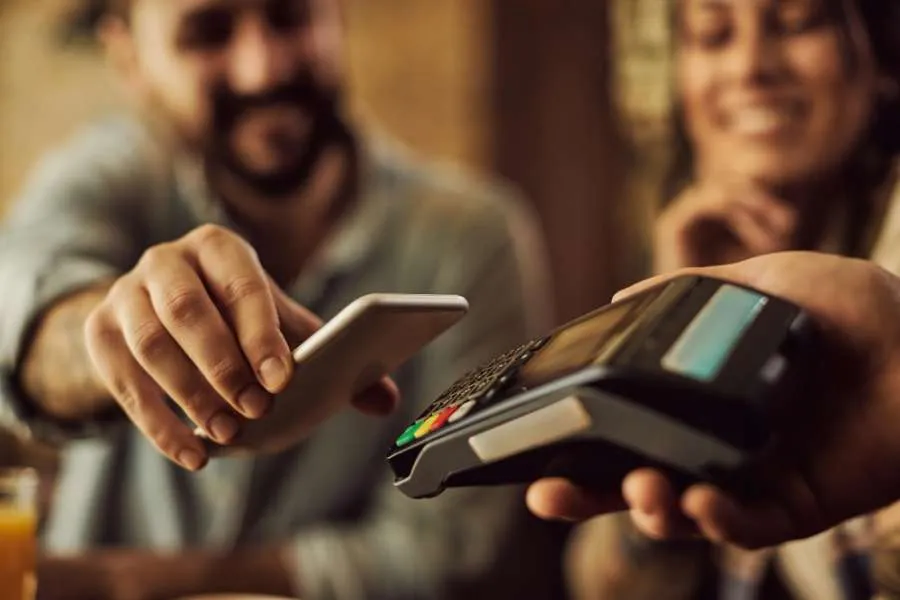
Walk through a bar in Playa de las Américas or Puerto del Carmen and count how many British visitors reach for a card, let alone cash. Most tap a phone. It isn't just a holiday quirk.
Back home, 57 per cent of UK adults now use a mobile wallet, up from 42 per cent a year earlier, and in 2024, cash slipped below one in ten payments for the first time. The phone has become the wallet, the bank, the boarding pass, and the way people pay for smaller things has followed suit.
One corner of that shift is charging small purchases straight to a mobile bill. It's the same mechanism behind an app store subscription or a charity text: the amount is added to your monthly bill or deducted from pay-as-you-go credit, with nothing more than an SMS to confirm. UK online casinos have offered it for years under labels like “pay by mobile” or “pay by phone”, and for a certain kind of player, it has become the default way to fund an account.
The appeal is speed and a built-in ceiling. Speaking to Casinos.com, which keeps a running breakdown of the deposit options that charge straight to a mobile bill, one payments analyst didn't dress up the trade-off: “The cap is the whole point. You're limited to £40 in a single go and £240 per number per month, so you physically can't chase a bad session the way you can with a debit card. For a lot of players, that ceiling is a feature, not a flaw.”
Those numbers aren't set by the casino. They come from the Payment Services Regulations 2017, the same carve-out that lets you buy apps and songs on your phone bill, and no network or operator can lift them. In practice, many sites cap a single day lower still, often around £30, and plenty start deposits at £10. It suits low-stakes, casual play far better than anyone hoping to move big money.
There's a bigger reason the method has stuck around. In April 2020, the Gambling Commission banned the use of credit cards for gambling, a rule that also blocks credit cards routed through e-wallets. That pushed players towards debit cards, bank transfers and methods that draw on money they already have. Paying by mobile bill is in an odd spot here, so most UK sites now run extra affordability checks on contract customers before waiving a deposit.
The catch worth knowing is that it only works one way. “People forget it's deposit-only,” a second analyst said. “Your winnings can't come back to your phone bill, so you'll still need a debit card, a bank transfer or an e-wallet to cash out. Set that up when you register, not at two in the morning when you've finally hit something.” It's the sort of detail that costs people time when they skip it.
For visitors here, the logic lands neatly. The Canary Islands closed 2024 with nearly 6.3 million British tourists, more than 40 per cent of all international arrivals and double the German figure, as our own tourism coverage reported. Many of them spend a fortnight running everything from one handset, roaming data and all, with the home bank card tucked away. A payment that needs only a phone number and a text, fits that week far better than digging out a card.
The wider point isn't really about gaming. It's that the phone has swallowed the wallet, and the tools that keep a clear eye on spending, a hard cap, a single feed, and a confirmation step, are usually the ones worth keeping. Set the limit before you start, and treat any entertainment budget like any other line in the monthly total.
Share: