
When do the clocks change in the Canary Islands, and why it could be the last time
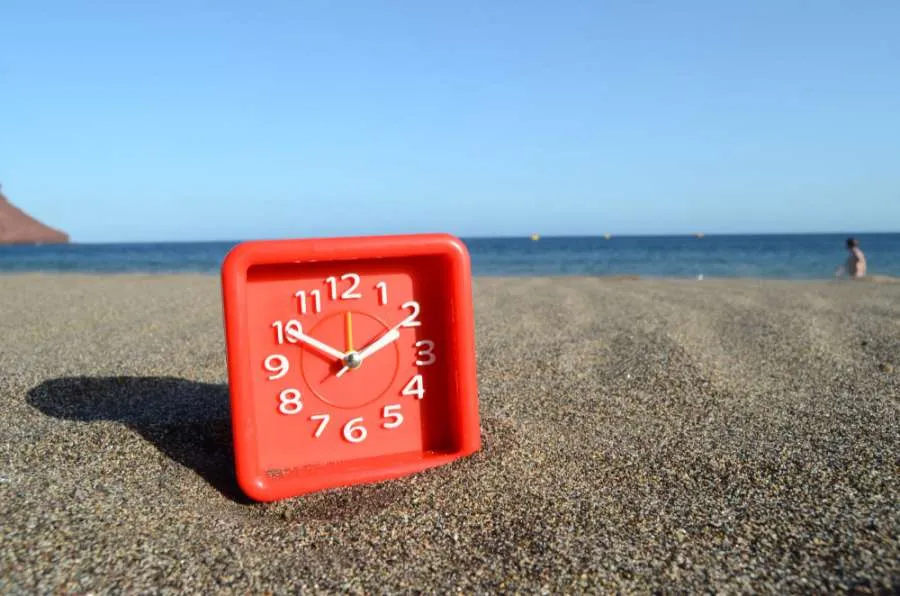
Residents and visitors in the Canary Islands will soon adjust their watches once again as the switch to summer time returns, along with renewed debate over whether the practice should continue. The Islands will, as always, maintain their characteristic “one hour less” compared to mainland Spain, but could this be the last “spring forward”?
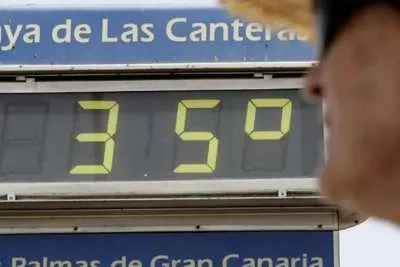
The next time change in the Canaries will take place in the early hours of Sunday, 29th March. At 1:00am, clocks must be moved forward to 2:00am, effectively shortening the night by one hour and marking the start of summer time across the Archipelago.
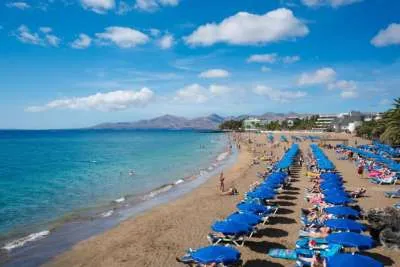
Although this means losing an hour’s sleep, longer and brighter evenings are generally welcomed, particularly in a region where outdoor leisure and tourism thrive.
Calls to preserve “one hour less in the Canaries”
Some local voices continue to insist that, even if seasonal clock changes are abolished, the Islands must retain their traditional time difference with the mainland. This distinctive offset is considered part of the region’s identity and has practical implications for travel, broadcasting, and business coordination with Spain.
Effects on sleep and wellbeing
Health authorities warn that the time change can trigger mild disruptions to the body’s internal rhythm. Temporary fatigue, irritability, and difficulty concentrating are common during the first days after the adjustment.
Some people experience “social jet lag”, leading to tiredness or mood changes. Morning sunlight exposure on the Sunday of the change can help the body adapt more quickly.
Could this be the final time change?
The European Union has been debating for years whether to abolish seasonal time changes altogether. Although historically justified as an energy-saving measure, recent studies suggest the benefits are minimal, while the biological impact on citizens may be greater than once thought.
In the Canaries, where seasonal daylight variation is relatively small, the practice is increasingly questioned. However, with no final decision from Brussels, the system remains in force. The next scheduled adjustment, returning to winter time, will happen on 25th October 2026, when clocks will move back from 2:00am to 1:00am.
Although discussions continue within the EU, no definitive end date has been set. Spain’s official calendar maintains seasonal adjustments at least through 2026.
Share: