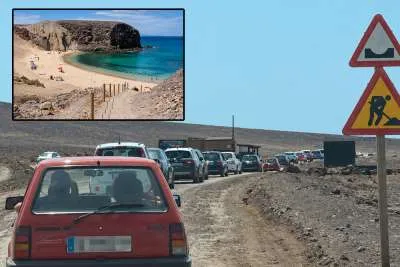

The Canaries had record tourist figures in 2025 but their stays were shorter and they spent less
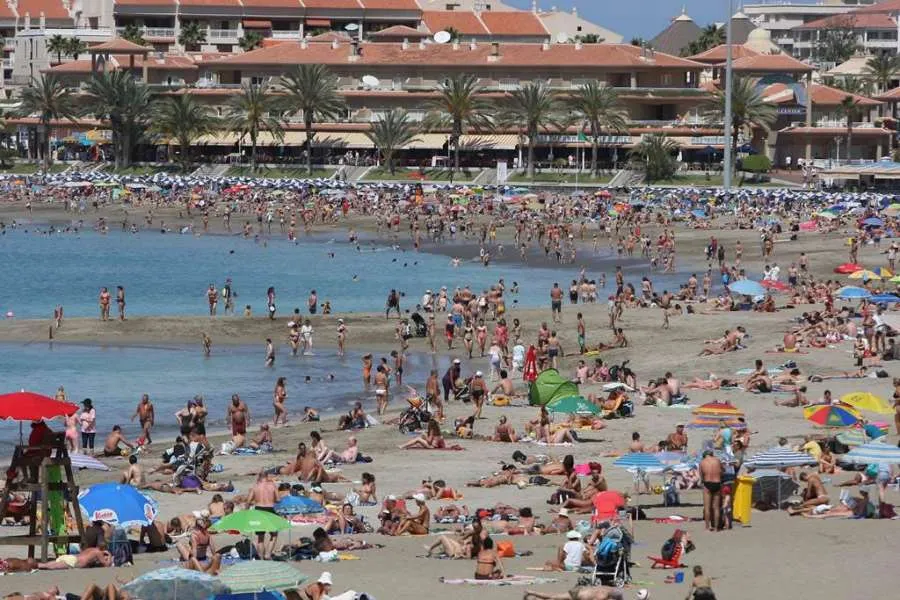
The Canary Islands welcomed a record 18.39 million tourists in 2025, up 3.48% on the previous year, but visitors stayed for shorter periods and spent slightly less per person. Despite this, total tourism revenue reached an all-time high of €23.18 billion, an increase of 3.91%, largely driven by higher prices across the sector.
The figures come from the latest Tourism Outlook Report for the fourth quarter of 2025, produced by the Chamber of Commerce of Gran Canaria and Excelcan, an alliance representing major industry players.
Shorter stays, fewer overnight stays
Although overall arrivals hit a historic peak, growth slowed significantly compared to 2024, when tourist numbers rose by 9.6%. The final quarter of 2025 showed only marginal growth of 0.31%, particularly in Tenerife and Gran Canaria.
Of the 18.38 million visitors, 89% were international and 11% were domestic travellers from other parts of Spain.
Average length of stay fell to 6.94 days, 0.16 days shorter than in 2024, continuing what the report describes as a “continuous and steady decline” in stay duration across the islands.
Fuerteventura (7.63 days), Lanzarote (7.31) and Gran Canaria (7.17) recorded the longest average stays.
Total overnight stays dropped by 1.22% to 99.02 million nights, reflecting both slower growth in arrivals and shorter holidays.
Spending up overall — but down per person
Total visitor spending rose by €871 million year-on-year, reaching €23.18 billion. However, average spending per tourist edged down by 0.22% to €1,437.86 which is €3.17 less than in 2024, mainly due to shorter stays.
Daily spending patterns shifted slightly, with tourists spending:
- €1.15 more per day on accommodation
- €1.36 more per day on food and drink
- €2.43 less on domestic and international transport
Average daily revenue per available hotel room climbed to €104.53, up 6.52%, while occupancy rates dipped marginally to 74%.
British market still dominant
The British market remains the largest contributor to tourism spending, accounting for 32.85% of the total. Germany follows with 17.6% and Nordic countries with 8.18%.
While the proportion from these traditional markets has slightly dropped compared to 2024, this has been offset by growth from other nationalities.
For British residents and regular visitors, the figures underline the continued importance of UK tourism to the islands’ economy, even as holiday habits gradually shift towards shorter stays.
Employment rises — but staff shortages persist
Tourism employment increased by 7,634 workers in 2025, bringing total sector employment to 232,338 — a rise of 3.4%.
However, 83% of businesses surveyed cited a shortage of suitably qualified staff as the main barrier to growth. Industry representatives say it is unclear whether this is due to a lack of skilled workers, housing difficulties, or transport challenges that discourage workers from relocating to tourist areas.
Outlook for 2026: stability expected
Industry leaders expect 2026 to be broadly stable in terms of revenue and employment, with price increases moderating in line with inflation.
While British tourism continues to perform strongly, analysts note that economic pressures in Germany may affect travel priorities there. Increased competition from destinations such as Turkey, Egypt and Tunisia is also expected, although sector representatives believe the impact on the Canary Islands will be limited.
After several exceptionally strong years, 2026 is forecast to be slightly lower in visitor numbers, but still another solid year for the islands’ vital tourism industry.
Share: