
Scientists call for greater protection of sharks and rays under threat in Canary Islands
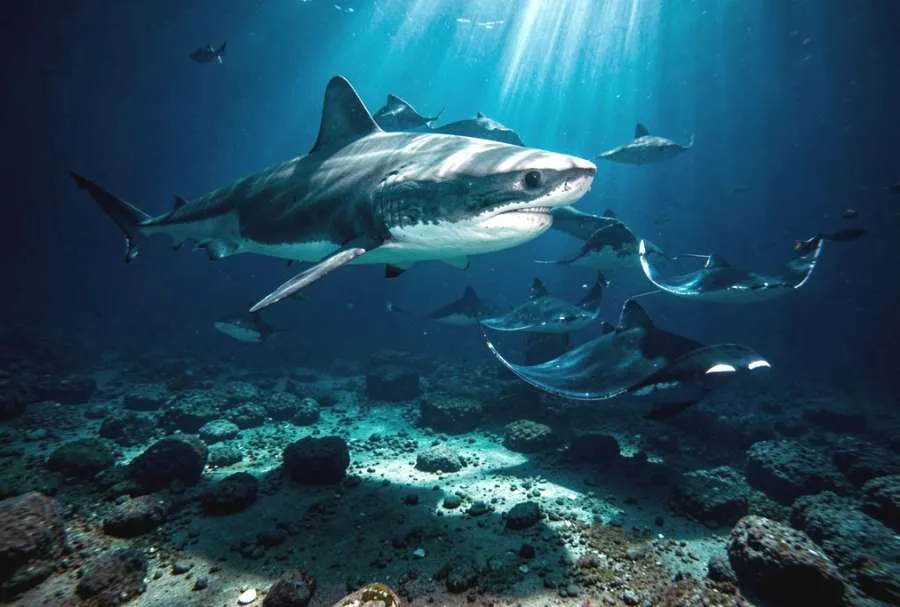
Scientists are calling for stronger legal protection for sharks and rays in the Canary Islands after warning that almost half of the species found in the archipelago are now under threat.
Although 78 species of sharks and rays live in Canary Island waters, only six are currently included on the region's protected species list, despite around 45% being considered threatened.
The appeal comes from Canary Islands marine conservation organisation Latitud Azul, which has spent the past year gathering scientific evidence to support the expansion of legal protection for these vulnerable species.
Lack of Research Hindering Protection
One of the biggest obstacles to protecting sharks and rays is the lack of scientific data available. Under Spanish and Canary Islands legislation, species can only be added to official protection lists if there is sufficient scientific evidence to justify their inclusion.
To address this, Latitud Azul launched the project "Conservation Strategies for Sharks and Rays in the Canary Islands: A Scientific Approach and Stakeholder Review", with support from the European BestLife2030 programme.
According to Maite Asensio, marine scientist, president and co-founder of Latitud Azul, the project began after the organisation discovered that some businesses in the Canary Islands were actively promoting shark and ray fishing. "When we looked into reporting these activities, we realised that many of the species involved had no legal protection whatsoever," she explained.
Mapping the Species Most at Risk
Over the past year, researchers have analysed all 78 species of elasmobranchs, the group of cartilaginous fish that includes sharks, rays and chimaeras, found in Canary Island waters.
The study covered 53 shark species and 25 ray species, identifying conservation threats, knowledge gaps and vulnerable habitats. The information has been used to create a conservation strategy that will now be presented to public authorities.
The project has entered its final phase, with scientists working alongside environmental organisations and other marine stakeholders to agree proposals for adding more species to regional and national protected species lists.
However, Asensio warns that legal protection can take years.
"Some populations are already in a very fragile state and need urgent action," she said, adding that bureaucracy often moves far more slowly than conservation needs.
Funding Remains a Major Challenge
Researchers say one of the reasons so many species remain poorly understood is a lack of funding. "There simply aren't enough research teams studying these animals," Asensio said. "Without scientific data, it's much harder to secure legal protection."
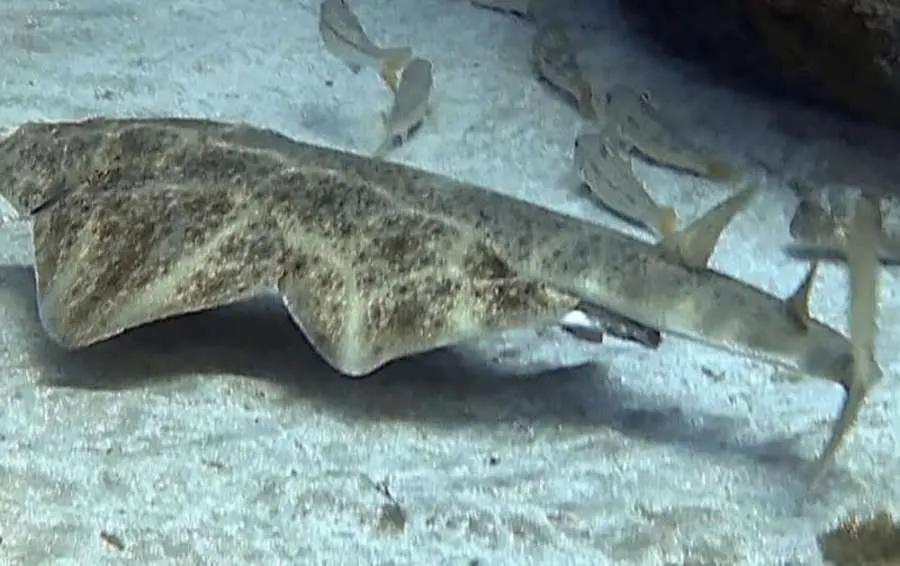
She points to the angel shark, one of the Canary Islands' best-known protected marine species, as proof that long-term research can deliver results.
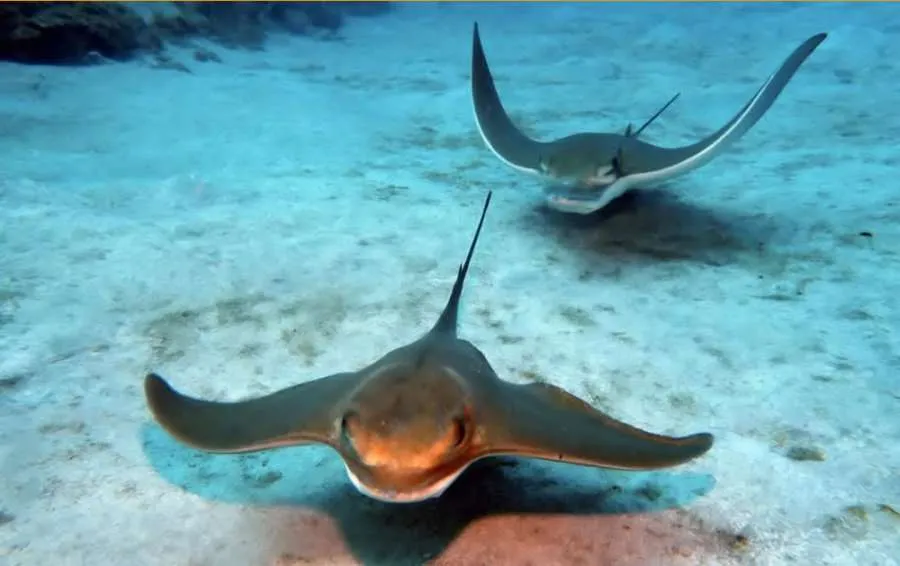
"If similar scientific work had been carried out on other species, such as the bull ray, they would probably have received the same level of protection," she said.
She also noted that several ray species already protected in the Mediterranean still receive no protection in Canary Island waters because far less research has been carried out locally.
Why Sharks and Rays Matter
Scientists stress that sharks and rays play a vital role in keeping marine ecosystems healthy.
As top predators, they help regulate populations of other species, remove sick animals from the food chain and maintain the natural balance of marine life.
"If they disappear, the entire ecosystem becomes unbalanced," Asensio explained. "That would eventually affect fisheries and ultimately our own food supply."
Human Activity the Biggest Threat
The report identifies human activity as the greatest danger facing sharks and rays in the Canary Islands.
Fishing, both illegal and accidental bycatch, remains the biggest threat. Researchers also highlight habitat destruction caused by coastal development, pollution, wastewater discharges and increasing human activity in the marine environment.
Areas experiencing the highest levels of tourism are among those under the greatest pressure, while heavy maritime traffic also poses risks to marine wildlife beyond the better-known collisions involving whales and dolphins.
Climate change is adding further pressure. Rising sea temperatures have already been shown to affect the breeding of the critically endangered angel shark in Canary Island waters.
Calls for More Marine Protection
Scientists argue that protecting individual species alone will not be enough. Currently, only around 1% of the Canary Islands' marine environment enjoys strict protection.
As part of the project, Latitud Azul has also helped establish two internationally recognised Important Shark and Ray Areas (ISRAs) in El Pajar and Las Canteras, both in Gran Canaria. While these are not legally protected zones, they identify habitats considered essential for the survival of sharks and rays.
Alongside its scientific work, the organisation has spent recent months visiting all eight Canary Islands to raise awareness and challenge misconceptions about sharks.
"We can't continue growing up believing sharks only exist to attack people," Asensio said. "Around 100 million sharks are killed every year, yet attacks on humans remain extremely rare."
The project will conclude with the release of a documentary featuring scientific research, interviews with marine experts and conservationists, aimed at helping the public better understand these often misunderstood animals. A preview of the film is being presented this weekend at the International Ocean Film Tour at the University of La Laguna.
Share: