
NASA praises the Canary Islands for work on Artemis programme
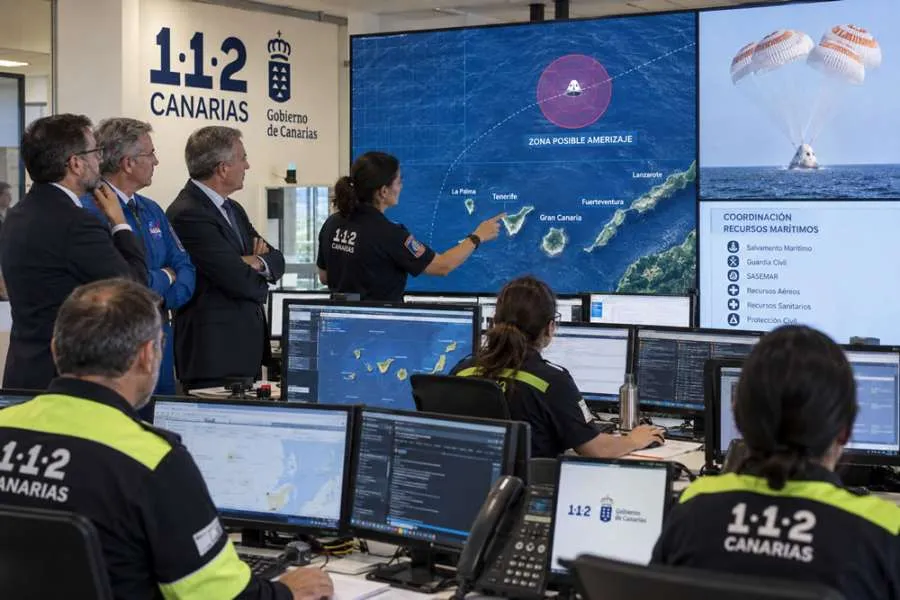
The Canary Islands' emergency coordination centre has received recognition from NASA for its contribution to preparations connected with the Artemis lunar exploration programme.
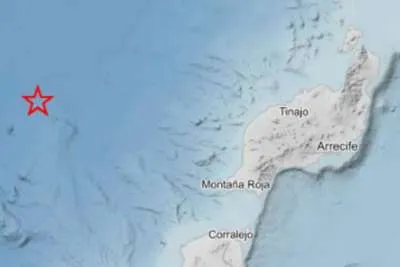
The recognition follows work between NASA representatives and the Canary Islands emergency services examining how the archipelago could respond to the unusual scenario of a spacecraft splashing down in Atlantic waters close to the islands.
CECOES 112 received a visit this week from Dr Fernando Guillén, NASA's representative in Macaronesia, who thanked the organisation for its involvement and cooperation.
The relationship developed following a visit to the Canary Islands by a delegation from the United States in April.
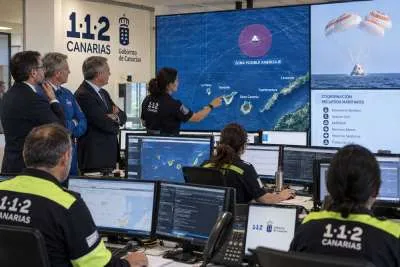
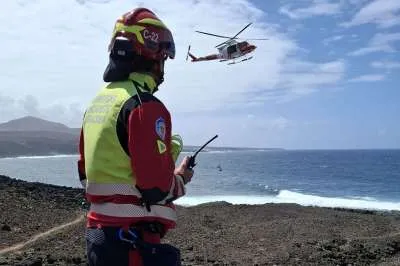
During that visit, emergency officials demonstrated the technical and human resources available through the Canary Islands' emergency coordination system and how they could be deployed if a spacecraft came down in nearby Atlantic waters.
Although such an incident would be extremely unusual, emergency planning for crewed space missions has to consider alternative landing areas and the ability of local authorities to respond if a spacecraft does not return precisely where originally intended.
The Canary Islands' position in the Atlantic makes the capabilities available in the archipelago relevant to that planning.
During the April visit, NASA representatives were shown the operations room and the mechanisms used to coordinate emergency resources across the islands.
The exercise considered the potential response required following the splashdown of a spacecraft, including coordination needed to protect the crew and vessels operating close to the landing area.
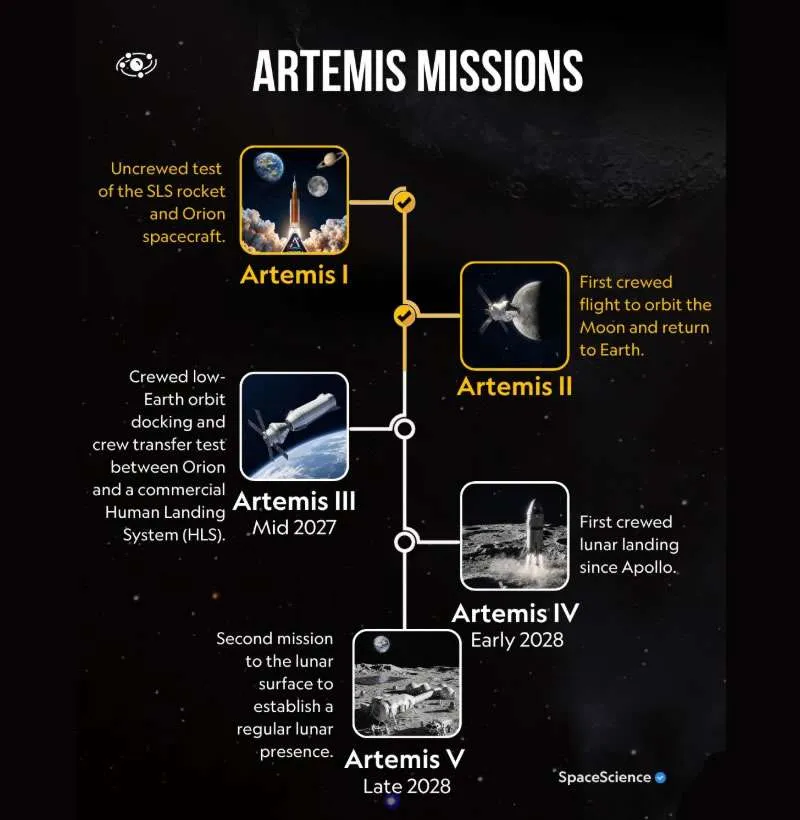
NASA's Artemis programme is intended to establish a renewed human presence around and, on the Moon, while developing technology and experience for future deep-space missions.
For the Canary Islands, the recognition highlights a very different aspect of the work carried out by CECOES.
The service is best known locally for coordinating responses to road accidents, fires, medical emergencies, maritime rescues and other incidents across the archipelago.
However, its central coordination structure and the Canary Islands' Atlantic location mean the same resources can potentially play a role in much more unusual international emergency scenarios.
The recognition does not mean that the Canary Islands have been designated as a routine landing site for Artemis spacecraft. Instead, it reflects cooperation and contingency planning for a possible emergency splashdown in waters near the archipelago.
Share: