
Holiday lets on rural farmland now outnumber official Rural Tourism Accommodation by five to one
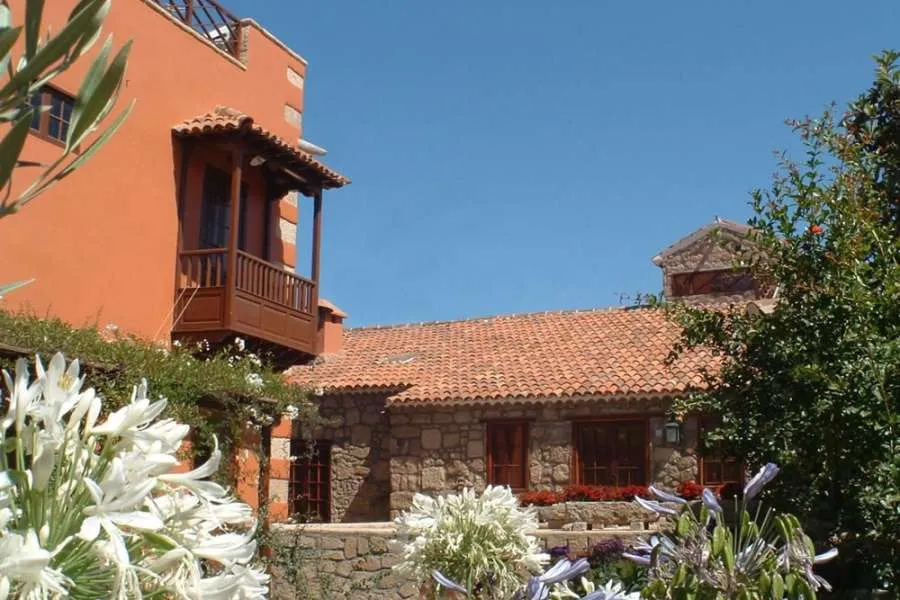
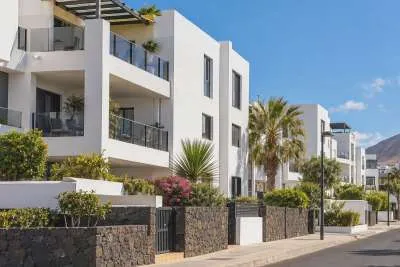
Holiday accommodation on rural land across the Canary Islands is now dominated by short-stay holiday lets, which outnumber official rural tourism properties and beds by around five to one. A total of 1,027 rural tourism holiday let properties have been identified, prompting sector representatives to warn of “unfair competition” and call for an urgent update of the regulations.
The findings were presented by the President of the Tenerife Rural Tourism Association (Tenatur), Pedro David Díaz, during the launch of the first comprehensive study assessing the current situation of rural tourism in the archipelago and setting out a 10-year roadmap for the sector.
Díaz explained that the geographical distribution of authorised rural tourism properties demonstrates that the sector has “clear and well-defined territorial planning” and operates exactly where it should, maintaining a strong relationship with the land and local heritage.
Holiday lets, however, appear in a more dispersed and unregulated manner, driven “more by market demand and the need for income than by any link to heritage or territory,” especially in Tenerife and Gran Canaria.
He stressed that rural tourism is intended to preserve heritage and must be located on rural land, whereas holiday rentals face far fewer bureaucratic requirements and can be established through a simple declaration of responsibility, making them significantly easier to set up.
Tourism Minister, Jéssica de León, highlighted that although both types of accommodation help support rural economies and maintain population levels, the lack of controls creates “unfair competition”, noting that in the Canary Islands “no responsible declaration has ever been verified, meaning anyone can operate without inspection”.
A Sector with Strategic Value but Clear Weaknesses
Valerio del Rosario, Director of El Cardón NaturExperience and author of the study, identified several structural problems: the absence of a clear definition of the rural tourism product, a lack of targeted public strategy, and outdated legislation.
However, he emphasised that rural tourism has strong strategic value as a tool for heritage conservation and that there is genuine market demand for this type of accommodation.
The President of the Canary Islands Rural Tourism Association (ASETUR), Pedro Carreño, noted that the study aims to improve competitiveness and identify the sector’s main opportunities and challenges.
According to Vice-Minister of Tourism José Manuel Sanabria, the Canary Islands currently have 1,027 catalogued rural and heritage accommodation units, of which 984 are active, representing an activity rate of 95.8%. Together they offer around 5,000 beds, a small figure compared with the more than 684,000 beds available in conventional tourist accommodation. The sector generates approximately 22 million euros annually, around 1% of the region’s tourism-related GDP.
Sanabria stressed that rural tourism is “a strategic sector deserving diversification and protection”, and confirmed that the government intends to act accordingly.
Díaz added that rural tourism is not intended to pursue large-scale expansion, as it is rooted in heritage preservation and provides a public benefit through private activity. The goal, he said, is differentiation rather than volume.
In this regard, De León pointed out the need for tailored promotion at specialist tourism fairs, reflecting the slower, nature-focused, heritage-centred experience that the Canary Islands have increasingly sought to highlight in recent years, moving beyond the traditional sun-and-beach model.
The minister also warned that rural tourism property owners are declining because the activity is not attractive enough for younger generations to continue. The study indicates a regulatory imbalance and shows that the sector urgently requires reduced bureaucracy and clearer rules.
For that reason, De León said the forthcoming Canary Islands Tourism Planning Law must define what rural tourism will look like in the archipelago over the next decade.
Share: