
DGT confirms new rules for motorcycles and mopeds
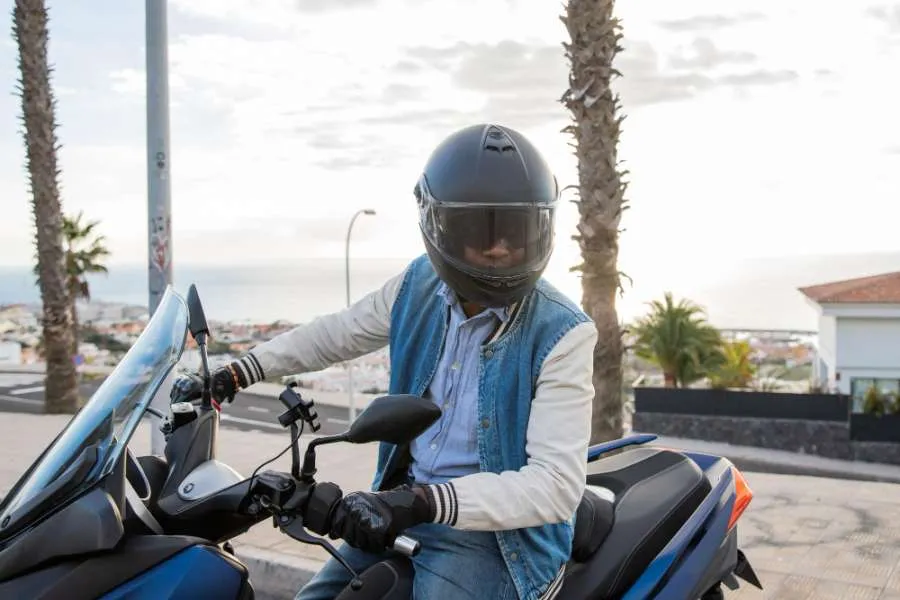
Motorcyclists and moped riders across Spain, including the Canary Islands, will face a number of new safety requirements from 1st October 2026, following changes to the country's General Traffic Regulations.
The new rules, introduced under Royal Decree 518/2026 and published in the Official State Gazette (BOE), include mandatory use protective gloves, closed footwear, stricter helmet standards, and new regulations allowing motorcycles to use the hard shoulder in certain traffic jams.
The Directorate-General for Traffic (DGT) says the reforms are aimed at improving road safety for one of the country's most vulnerable groups of road users.
Gloves and Closed Footwear Become Mandatory
One of the biggest changes is the introduction of compulsory protective gloves for riders and passengers travelling on interurban roads.
The requirement applies to riders and passengers of motorcycles, mopeds, three-wheeled vehicles, quadricycles and quads.
In addition, closed footwear covering the entire foot will become mandatory on all roads, including urban streets. This means sandals, flip-flops and other open footwear will no longer comply with the regulations when riding these machines.
The Ministry of the Interior will publish the technical specifications for approved gloves. Until then, riders may continue using protective motorcycle gloves that meet current standards.
Stricter Helmet Rules
The reforms also tighten helmet regulations for moped users.
From October, both riders and passengers on mopeds must wear UNECE R22-approved helmets, properly fastened. A one-year transition period will allow existing users time to comply with the new requirement.
For motorcycles, trikes, quadricycles and quads, approved helmets remain compulsory on all roads, as under the current regulations.
Hard Shoulder Use During Traffic Jams
For the first time, motorcycles may be permitted to use the right-hand hard shoulder in certain traffic jams, but only under strict conditions.
The measure will apply only on road sections specifically authorised by the relevant road authority and traffic authorities, with clear road signs and markings in place.
Motorcycles may only use the hard shoulder when traffic has come to a standstill due to congestion. Riders must travel in single file and must not exceed 30 km/h. They must also leave the hard shoulder immediately if their presence interferes with vehicles that have priority to use it.
High-Visibility Vests Required
The new regulations also require motorcycles to carry a high-visibility reflective vest as part of their mandatory equipment. Riders must wear the vest whenever they leave their motorcycle and are on the carriageway or hard shoulder of an interurban road.
Professional riders using motorcycles or mopeds for work will be required to wear a reflective vest while riding on all types of roads.
Passenger and Trailer Rules
The regulations maintain the existing rules on carrying passengers. Riders may carry one passenger aged 12 or over, provided the motorcycle or moped is licensed to do so and the passenger wears an approved helmet, sits astride the seat behind the rider and uses the footrests.
Children aged over seven may travel as passengers when the motorcycle is being ridden by a parent, guardian or another adult authorised by them.
The new rules also confirm that motorcycles, mopeds and three-wheeled vehicles may tow a trailer or semi-trailer, provided it weighs no more than 50% of the towing vehicle's unladen weight.
Trailer towing will only be permitted during daylight hours, in good visibility, at speeds 10% below the normal speed limit, and passengers may not be carried in the trailer.
Helmet Communication Systems Allowed
While the use of headphones or earphones while riding remains prohibited, the new regulations permit certified wireless communication systems integrated into motorcycle helmets.
These systems may only be used for rider-to-rider communication or navigation and must not interfere with the safe operation of the vehicle.
Share: