
€1.4 billion a year is needed to end poverty in the Canary Islands
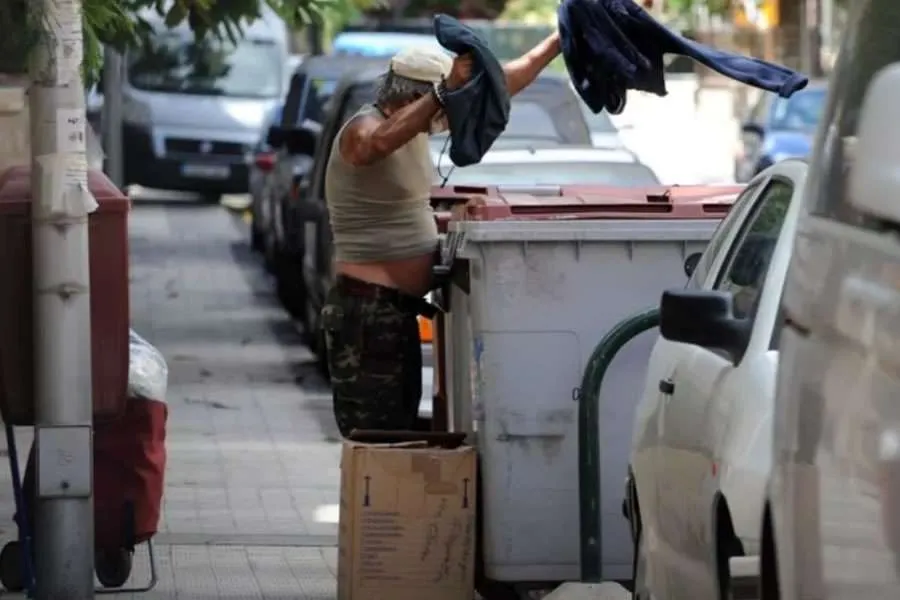
Eradicating poverty in the Canary Islands would cost an estimated €1.45 billion per year, the equivalent of 3% of the region’s entire GDP. That is the stark conclusion of a new report, Analysis of Social and Economic Exclusion in Spain and its Territories, produced by the Instituto Valenciano de Investigaciones Económicas and the Fundación Ramón Areces.
The figure far exceeds the Canary Islands Government’s current annual budget for tackling poverty, which stands at just over €200 million. While some poverty indicators have improved in recent years, the Canaries remain among the regions with the highest levels of deprivation in Spain.
Nearly 30% at risk
The proportion of people at risk of severe social exclusion — defined as earning less than 40% of the national median income — fell from 15.7% in 2015 to 9.7% in 2023.
However, overall poverty risk remains high. In 2023, 26.1% of the Canary Islands population was at risk of poverty, well above the Spanish average of 20.2%.
The report places the islands alongside Andalucía, Extremadura, Castilla-La Mancha, the Valencian Community and Murcia as territories where poverty continues to have a structural impact despite improvements over the past decade.
Having a job is not enough
One of the most concerning findings is that employment is no longer a guaranteed route out of poverty.
In 2023, around 28.1% of people in work in the Canary Islands were still considered at risk of poverty. In practical terms, nearly three in ten working people classified as poor have a job — but earn too little to rise above the poverty threshold.
The situation mirrors national trends, where roughly one third of those at risk of poverty are employed. The report highlights low wages, temporary contracts and job insecurity as key contributing factors.
Children hardest hit
Children are among the most affected. In 2023, 37.1% of under-18s in the Canary Islands were at risk of poverty, significantly higher than the overall regional rate.
The study identifies child poverty as one of the most urgent warning signs, noting that vulnerability among young people worsens when broader indicators are considered, such as material deprivation and low work intensity within households.
A structural challenge
The overall conclusion is clear: although progress has been made since 2015, the Canary Islands have not moved out of the group of Spanish regions most affected by poverty and social exclusion.
The estimated €1.45 billion annual cost highlights the scale of the challenge. According to the report, sustained improvement will require strengthening the social protection system, improving access to benefits and targeting the most vulnerable groups — including young people, women, low-paid workers and children.
For the Canary Islands, the message is blunt: ending poverty would demand an investment equal to 3% of the region’s entire economy.
Share: