
SMM Panel for Business: Why companies buy Likes and Followers on LinkedIn and Instagram
A funny thing happens when a company launches its social media pages. The team spends weeks preparing everything. Marketing approves the strategy. Designers build the visuals. Somebody writes twelve posts in advance because "we need a content plan". The LinkedIn page looks professional. The Instagram profile looks polished. Everybody is ready.
Then the first post goes live. Eight likes, three comments and two of them are from employees. Welcome to the cold reality of social media in 2026. The uncomfortable truth is that most businesses aren't competing on content quality anymore. They're competing for attention. And attention usually follows social proof.
That's one of the reasons why companies buy likes, followers, and engagement through SMM panels. Not because they're trying to fool people, but to avoid looking invisible.
Nobody Wants to Be the First Person in the Room
Think about how people actually use LinkedIn. You see a company page. Before reading the description, before opening the website, before checking the services, your brain notices one thing: How many followers does this company have? Everybody does it.
A software company with 12,000 followers immediately feels more established than one with 150 followers. Even if both businesses generate the same revenue.
Instagram works exactly the same way. A restaurant with 9,000 followers feels popular. The same restaurant with 200 followers feels like a place that opened yesterday and may not survive until Christmas.
Fair? Not really. Reality? Absolutely. People constantly use social proof as a shortcut when making decisions.
The Startup Problem Nobody Talks About
The funniest part is that follower count often has nothing to do with the actual business. I've seen companies generating millions in revenue while their LinkedIn page looked abandoned. I've also seen startups with five employees pretending to be the next unicorn because their social media manager understood optics better than everyone else.
Social media creates a weird situation where a ten-year-old company can look less trustworthy than a business that registered its domain three months ago. Not because one is better. Because one understands perception. And perception matters more online than most founders want to admit.
Why Businesses Use SMM Panels
An SMM panel is simply a platform that allows companies to purchase followers, likes, views, and engagement across social networks.
For businesses, the appeal is pretty straightforward. Growing from zero is slow. Painfully slow. Especially on LinkedIn, where even good content can sit in silence for days. You can publish thoughtful posts for months and still mostly talk to your colleagues, your team, and your accountant.
SMM panels are used to create initial momentum. The page stops looking empty. The follower count stops looking suspicious. And when real users land on the profile, they’re more likely to take it seriously instead of bouncing in two seconds.
That’s the actual logic. Not “fake popularity”, but reducing the cold-start problem.
LinkedIn Is Basically High School With Job Titles
People like to pretend LinkedIn is purely rational and professional. It isn’t. It runs on the same psychology as every other platform.
People notice numbers. They notice engagement. They notice whether anyone is paying attention.
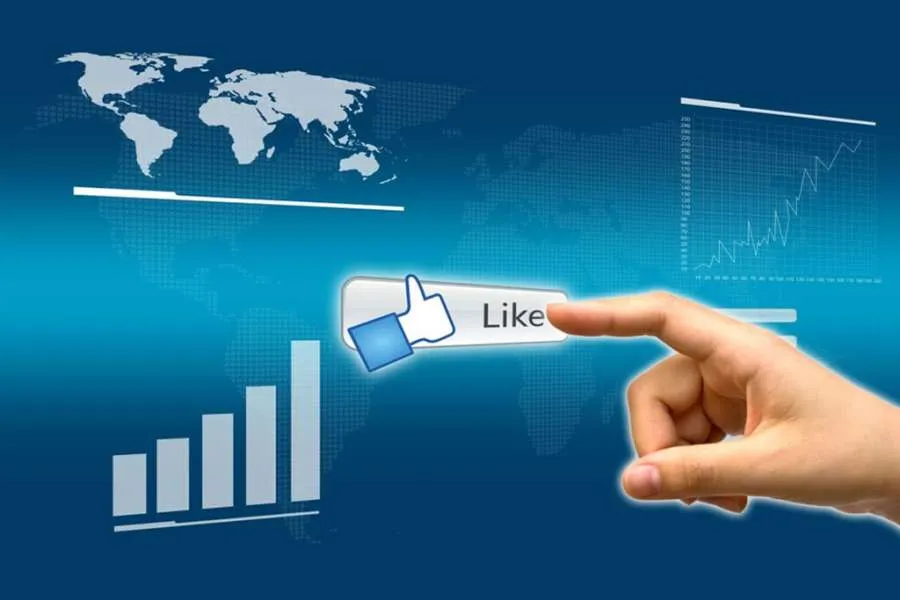
A post with three likes feels ignored. The same post with three hundred likes feels important. Nothing about the content changed. The perception did.
And perception is what drives distribution. Early engagement increases visibility. More visibility brings more real engagement. The algorithm starts to treat the post like it matters instead of ignoring it.
That’s why some B2B brands boost early engagement on strong posts. Not to “save bad content”, but to give good content a fair entry point into the feed.
Instagram Is a Trust Signal
Instagram works differently, but the psychology is the same. People don’t analyse deeply. They scan.
A profile with strong visuals and healthy engagement feels alive. A profile with beautiful content and 84 followers feels unfinished, no matter how good the design is.
Users rarely say it directly, but they trust brands that look established. The follower count becomes part of the product experience itself. It shouldn’t matter that much. But it does.
The Important Part Nobody Should Ignore
Buying followers is not a marketing strategy. It’s infrastructure. Just like a website isn’t a marketing strategy. A logo isn’t a marketing strategy. A nice office doesn’t magically create customers. These things don’t replace growth. They support it.
The companies that actually benefit from SMM panels usually combine them with real marketing: consistent content, paid ads, partnerships, outreach, sales, and actual product work.
Without that, purchased followers are just decoration. Expensive, slightly misleading decoration.
So Why Do Companies Keep Doing It?
Because social media runs on momentum. A page with 5,000 followers grows faster than a page with 200. A post with early engagement travels further than one that starts at zero. And a brand that looks established gets fewer psychological barriers from strangers.
Meanwhile, the company stuck at 200 followers keeps posting into what feels like a void and wondering why nothing moves.
The answer is usually simple: people trust what already looks trusted. That’s how LinkedIn, Instagram, TikTok, and every platform that follows actually work, no matter how “organic growth” is described in pitch decks.
That’s also why businesses still use services like Top4SMM. Not because follower count replaces marketing, but because social proof makes marketing work faster from the start.
If you want to explore how this works in practice, click here.
Final Thoughts
Most companies don’t buy followers because they want to deceive anyone. They do it because launching a brand online with zero social proof feels like opening a restaurant with no one inside. The food might be great. The service might be excellent. But people walking past don’t know that.
First impressions are formed in seconds. And on social media, numbers are part of that impression whether marketers like it or not.
The difference between vanity and strategy is simple. One exists to look impressive. The other helps real growth actually start.
Share: