
Digital screens to be removed from nursery classrooms in the Canary Islands
Interactive digital screens will be removed from all public nursery classrooms for children aged up to three across the Canary Islands under new education guidelines announced by the regional government. The move aims to encourage more hands-on learning during the earliest stages of childhood development.
The Canary Islands' Department of Education said the decision is based on recommendations from the Spanish Paediatric Association, scientific evidence on early childhood development, and advice from specialist early intervention teams working within the education system.
Officials say the change is designed to ensure digital technology is used in ways that are appropriate for each age group. While schools will continue investing in digital resources for older pupils, technology will be focused mainly on primary education and above, where it can be introduced gradually and responsibly.
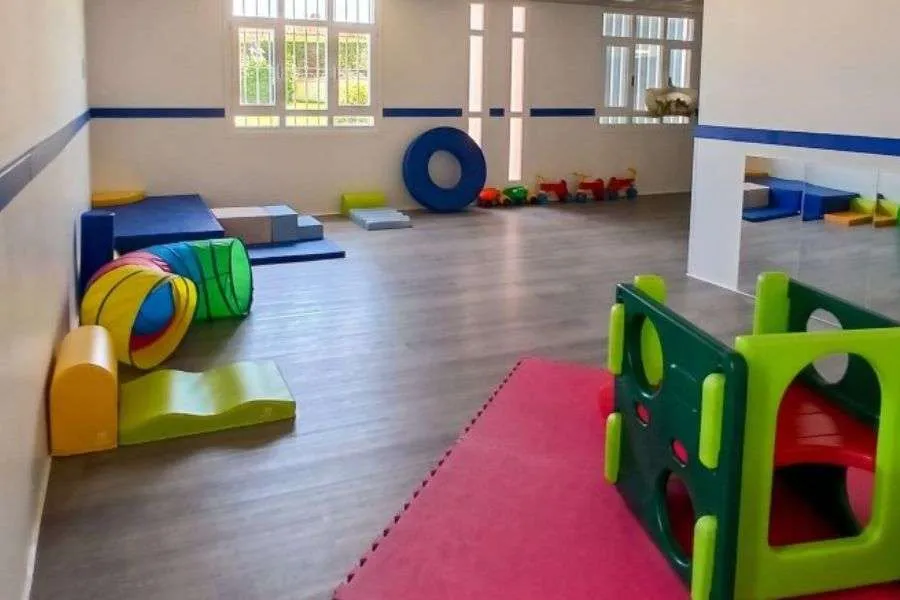
For children aged from birth to three, the emphasis will instead be on learning through play, movement, sensory exploration, real-world materials and face-to-face interaction with adults and other children. Education leaders say these experiences are vital for cognitive, emotional and social development during the first years of life.
All interactive screens currently installed in classrooms for this age group must be removed and relocated elsewhere within schools by 30th November 2026. After that date, they will no longer be permitted in classrooms used by children under three.
Schools will decide where the equipment will be moved, with technical support provided by the regional education authority. If specialist contractors are needed to reinstall the screens, the Canary Islands Government will cover the costs so schools are not left out of pocket.
The new guidance also states that classrooms for the youngest children should be arranged to promote free movement, sensory play, creativity and close interaction with teachers and classmates.
For children aged three to six, interactive digital systems will still be allowed, but only when there is a clearly defined educational purpose. Traditional learning through play, exploration and practical activities will remain the preferred approach.
Exceptions will be made for younger children with special educational needs where digital communication systems are essential to support learning or communication.
Share: